Opinion
Bahrain Economic Development Board: Private wealth is coming to the Gulf. Here’s why
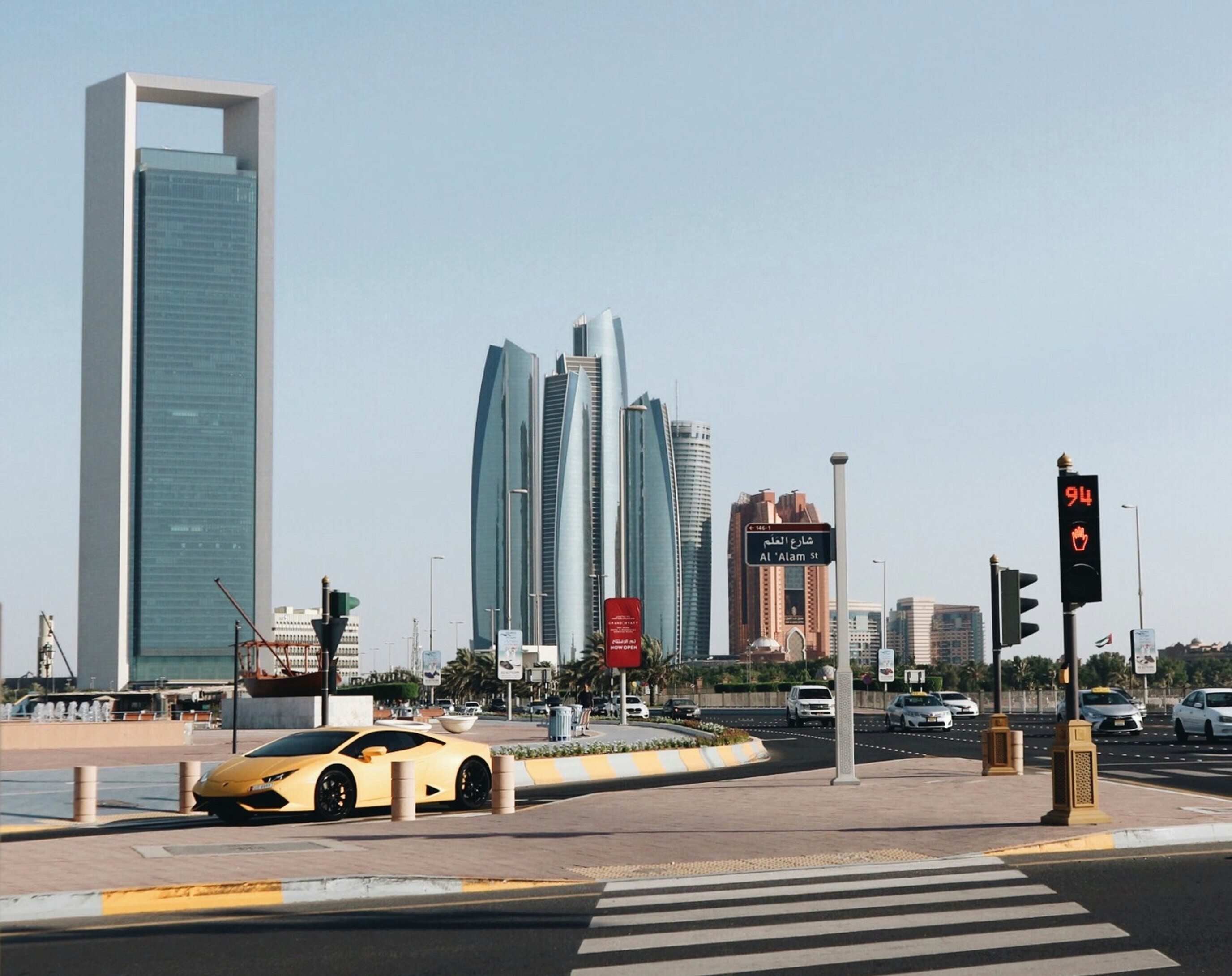
The Gulf Cooperation Council is looking to drive more private wealth into the region. Image: Zalfa Imani/Unsplash
Dalal Buhejji
Executive Director, Business Development, Financial Services, Bahrain Economic Development Board- As traditional financial hubs grapple with rising costs and complex regulation, GCC nations are building a new 21st-century blueprint for family offices.
- Regulation and taxation in the region are designed to appeal to private wealth.
- By combining agile regulation, cost efficiency, financial stability and quality of life with a culture of discretion, GCC countries look to offer a compelling blueprint for how to balance global competitiveness with high standards, regulatory compliance and innovation.
The global map of private wealth is shifting. Around the world, regulatory updates have imposed new rules on family wealth, creating different standards around asset management and tax incentives. Moreover, tax reforms in certain places has caused high-income individuals to reconsider their residency.
Against this backdrop, Gulf Cooperation Council (GCC) countries are proving an increasingly attractive alternative. Evolving regulatory frameworks that support innovation and entrepreneurship, coupled with robust infrastructural developments, make it easier for wealthy individuals to live, work and manage their financial and business assets here. Indeed, in 2024, the UAE recorded an estimated net inflow of 6,700 high-net-worth individuals – more than any other country in the world. This illustrates a wider trend as cities across the GCC emerge as new centres of gravity for global wealth.
The GCC is undergoing a transformative economic shift driven by five pillars that make it an ideal hub for family offices.
1. Forward-thinking regulation
Family offices thrive in jurisdictions that offer responsive regulatory frameworks; structures that balance robust legislative frameworks with a flexibility to adapt to evolving investment needs. Across the GCC, countries are taking bold steps to meet these expectations.
In Bahrain, a new licence has been introduced by the Central Bank of Bahrain (CBB) to broaden the operational scope of family offices, allowing them to manage a wider array of assets, including trusts and private equity. As the region’s only unified financial regulator, the CBB oversees the activities of financial institutions operating in or from Bahrain and the conduct of the financial services they provide. Bahrain has also established a regulatory framework to license multi-family offices, providing clarity for multi-family office set-up. The Bahrain Trust Law offers a transparent and adaptable legal structure for asset protection and succession planning across three key categories: private trusts, commercial or investment trusts and charitable or special-purpose trusts.
In 2024, Bahrain was ranked 21st globally in the IMD World Competitiveness Ranking and placed first globally in 12 indicators and in the top 10 worldwide across 75, while Manama led the global rankings for financial attractiveness for the sixth year running.
Similarly, the UAE has implemented dedicated licensing structures through the Dubai International Financial Centre and Abu Dhabi Global Market, enabling wealth owners to consolidate investment management, estate planning and philanthropy within one legal framework. In 2024, over 200 new family offices joined the Dubai International Financial Centre, bringing the total to 800.
As part of its wider economic transformation, Saudi Arabia is also building a regulatory environment to attract family offices. Through its Financial Sector Development Programme, the Kingdom is increasing family offices’ access to capital markets and alternative investments, providing them with more flexibility and a starring role in the national economy.
2. Cost-effective taxation
GCC nations offer an attractive alternative to traditional financial hubs by prioritizing ease of doing business, streamlining regulation and offering clear, investor-friendly tax policies. Several GCC countries charge zero personal income tax, offer low corporate tax rates and provide a business environment with significantly lower operating costs than other global regions. This has made it easier and more cost-effective for family offices to set up and manage their wealth in the Gulf.
Bahrain is consistently ranked as the Gulf’s most cost-efficient location – it maintains the most competitive tax regime in the region, including zero personal income tax – a key factor in its appeal to international investors and family offices. Beyond taxation, Bahrain offers one of the region’s lowest operating costs across multiple sectors – for example, it is up to 48% more cost-effective than its regional peers in financial services.
Meanwhile, the UAE introduced a corporate tax in 2023 at a globally competitive 9% on profits exceeding AED 375,000 ($102,000). Qatar and Kuwait offer similarly competitive taxation rates. Qatar, for example, levies a flat 10% corporate tax and has signed more than 80 double taxation agreements.
3. Financial scale meets strategic innovation
What allows the GCC’s financial centres to stand out? One key strength is how they blend mature, established financial systems with an innovation-led approach. For family offices worldwide looking for where to manage their money, this offers an attractive combination.
Bahrain alone hosts more than 350 financial entities, the highest concentration in the GCC, supported by a deep pool of specialized talent working within a sophisticated regulatory ecosystem. Global companies are choosing to base their key operations in the Kingdom –the regional service centre of PwC Middle East and KPMG’s Low-Code Center of Excellence serve regional and international clients from Bahrain.
Across the wider region, the UAE is famed for its strong financial infrastructure, with assets under management surpassing AED 1.2 trillion ($326.7 billion) in 2024. Abu Dhabi’s sovereign wealth vehicles, including the Abu Dhabi Investment Authority (ADIA) and Mubadala, anchor global capital flows and have cultivated a generation of highly skilled investment professionals well-placed to support family offices in the region. Meanwhile, Saudi Arabia’s Tadawul has emerged as the Middle East’s largest stock exchange, with a market capitalization exceeding $2.5 trillion. For family offices, Tadawul offers direct access to regional growth, while upholding global standards of governance, transparency and regulatory alignment.
4. Privacy and protection
Discretion and confidentiality are paramount for family offices and the Gulf delivers both. Strong legal frameworks around data protection and sturdy cybersecurity infrastructure ensure that wealth can be managed securely in a digital world.
Bahrain’s Personal Data Protection Law (PDPL), sets clear obligations for the collection, processing and transfer of personal data. For family offices, key provisions include restrictions on cross-border data transfers and the requirement to obtain the data subject’s consent before processing.
Complementing the PDPL, Bahrain’s Cloud Law framework was the first of its kind in the region. It allows foreign entities to host data in Bahrain, while retaining jurisdiction under their home country’s laws.
Meanwhile, the UAE’s Federal Data Protection Law, implemented in 2022, offers similar safeguards, including measures that benefit family offices by protecting the privacy of individuals, while also complying with international anti-money laundering frameworks.
Building on this foundation of legal protections, the region has prioritized investment in cybersecurity. In 2025, Saudi Arabia maintained its position as the top-ranked country globally in the IMD World Competitiveness Center’s cybersecurity ranking, reflecting the strength of its National Cybersecurity Authority and broader strategy for digital resilience. Bahrain’s national security strategy includes targeted protections for financial institutions and comprehensive incident response protocols.
5. Residency, location and lifestyle
Across the region, countries are moving to attract and retain global talent and long-term investment. Golden visa programmes have evolved from investment schemes into comprehensive lifestyle strategies, tailored to bring in global talent and long-term capital.
The UAE’s Golden Visa programme has attracted more than 250,000 recipients since 2021, including entrepreneurs, scientists and cultural leaders. Bahrain’s Golden Residency Programme, launched in 2022, offers permanent residency to attract and retain real estate investors, retirees, entrepreneurs and highly talented individuals. The scheme includes rights to sponsor family members and own property in designated areas. The residency is renewable indefinitely and includes unrestricted travel and access to government services, such as healthcare and education. The application process is fast and efficient, taking just five working days for employees, property owners and retirees and up to ten working days for applicants in the talent category. Holding other residencies does not affect eligibility.
The GCC also offers world-class infrastructure for international families. The UAE hosts more than 100 British-curriculum schools, while countries, such as Bahrain and Qatar, provide outstanding international education options. In parallel with its education offering, the region’s advanced healthcare, enhanced through collaborations with institutions such as the Cleveland Clinic and Johns Hopkins, offers internationally recognized standards of care.
By combining agile regulation, cost efficiency, financial stability and quality of life with a culture of discretion, financial centres, such as Manama, Dubai and Abu Dhabi, offer a compelling blueprint for how to balance global competitiveness with high standards, regulatory compliance and innovation.
The world’s wealth is on the move. The GCC is ready to welcome it.
Don't miss any update on this topic
Create a free account and access your personalized content collection with our latest publications and analyses.
License and Republishing
World Economic Forum articles may be republished in accordance with the Creative Commons Attribution-NonCommercial-NoDerivatives 4.0 International Public License, and in accordance with our Terms of Use.
The views expressed in this article are those of the author alone and not the World Economic Forum.
Stay up to date:
Bahrain

Forum Stories newsletter
Bringing you weekly curated insights and analysis on the global issues that matter.
More on Financial and Monetary SystemsSee all

Matt Strahan and Daniel Murphy
April 9, 2026


