How GovTech in Africa can unlock inclusive governance

Could investment in GovTech help Africa deliver better, faster and more inclusive public services? Image: REUTERS/Luc Gnago
- GovTech offers African countries an opportunity to leapfrog legacy models of governance and create digital-first systems.
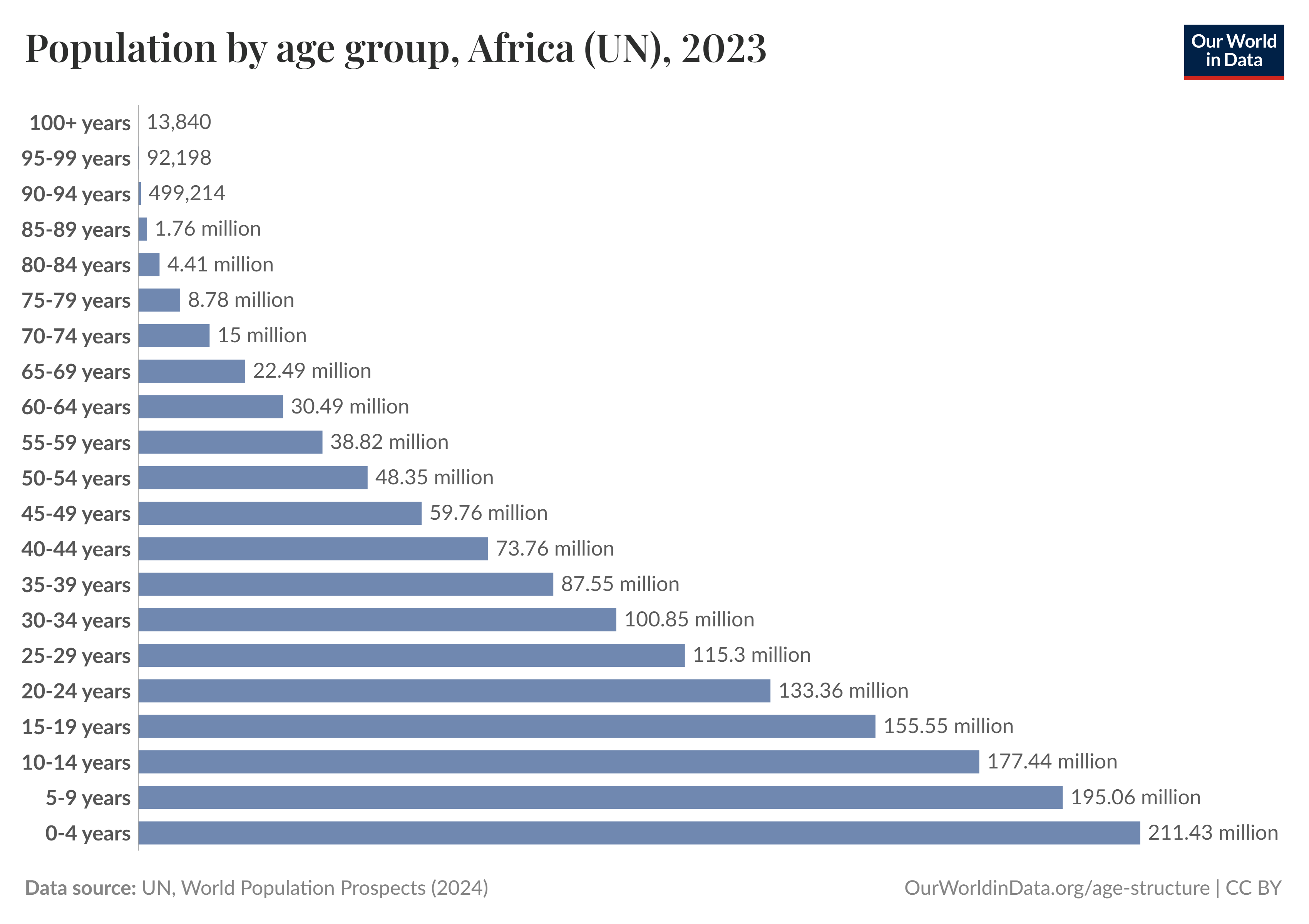
- With more than 60% of its population under 25 and more than 500 million mobile internet users, Africa is uniquely positioned to benefit from GovTech.
- Here's how several African countries have made strides in deploying GovTech solutions tailored to local contexts.
In the face of rising public expectations, constrained resources and urgent development challenges, African governments are at a crossroads: how can they deliver better, faster and more inclusive public services? One increasingly promising answer is GovTech – a citizen-centric, whole-of-government approach to public sector modernization that takes advantage of digital technologies for greater impact.
Defined by the World Economic Forum as a way to “increase agility, accountability and transparency across all levels of government,” GovTech offers African countries an opportunity not just to catch up, but to leapfrog legacy models and create digital-first governance systems tailored to their needs. With a projected $9.8 trillion in public value by 2034 globally, the case for early adoption is both strategic and urgent.
Digital potential across the continent
Africa is uniquely positioned to benefit from GovTech. With more than 60% of its population under 25 and more than 500 million mobile internet users, the continent is mobile-first by default and has a generation of digital natives. From Lagos and Nairobi to Kigali, innovation hubs are shaping digital experiences in finance, agriculture and education. GovTech could be next.
Public demand is high. In many countries, citizens face long waits, opaque procedures or limited access to services, particularly in rural areas. Digital public infrastructure, such as digital ID systems, e-portals and e-payment gateways, can address these barriers if implemented with inclusion and trust at the core.
Recognizing this potential, regional institutions have stepped up. The African Union’s Digital Transformation Strategy (2020–2030) positions digital governance as a core enabler of Africa’s Agenda 2063. Initiatives such as Smart Africa foster cross-border interoperability, while the World Bank’s GovTech Maturity Index now includes several African nations.
GovTech in action: local innovations with global significance
Several African countries have made remarkable strides in deploying GovTech solutions tailored to local contexts.
Built locally and now hosting more than 200 government services, Rwanda’s IremboGov platform enables citizens to apply for national ID cards, register for health insurance or pay traffic fines online. As of 2024, it has saved 50 million work hours in administrative time and helped shift public perception of the state as a responsive service provider.
The platform’s impact lies not only in convenience but in building trust through transparency and usability. This aligns with the World Economic Forum’s observation that GovTech can “rebuild trust and transform the role of government in shaping a more equitable, connected and resilient future.”
Kenya’s eCitizen portal is a single sign-on platform offering more than 22,000 services across national and county governments, with more than 13.5 million registered users as of 2025. From passport applications to business registrations, it streamlines interactions that once required multiple visits, forms and intermediaries.
In parallel, the country is revamping its digital identity system with a focus on security and interoperability, laying the groundwork for more inclusive service delivery and financial access. Challenges remain in ensuring equitable digital access, especially for marginalised communities.
Nigeria has advanced its GovTech foundations through the National Identity Management Commission and the Government Integrated Financial Management Information System (GIFMIS). GIFMIS has enhanced fiscal accountability by improving budget execution, curbing fraud and reducing leakages in public finance. These systems also strengthen the targeting of social benefits and illustrate the importance of institutional infrastructure in building GovTech readiness.
Adoption, however, remains uneven across federal and state levels, underscoring the need for stronger coordination. Recent initiatives to digitize land registries, modernize court systems and roll out e-procurement portals signal growing momentum. To achieve scalable impact, Nigeria will need cross-sector collaboration and sustained investment in interoperability and inclusion.
The promise and the path forward
The World Economic Forum’s 2025 report highlights three drivers of GovTech’s $9.8 trillion public value: efficiency gains ($5.8 trillion), sustainability gains ($2.9 trillion) and transparency gains ($1.1 trillion). For African countries, these outcomes are not abstract; they directly translate into better healthcare access, reduced corruption and cleaner public finances.
GovTech implementation is not without hurdles. Many African governments still operate with legacy systems, siloed data and limited digital capacity. Cybersecurity risks and concerns over surveillance and exclusion must be addressed through robust safeguards, transparent standards and inclusive design.
Opportunities abound if Africa:
- Invests in digital public infrastructure (DPI): foundational systems, such as digital ID, interoperable registries and e-payment, can serve both public and private sectors.
- Fosters public-private collaboration: tech start-ups and civic tech innovators can co-create tools that reflect real user needs, especially at local levels.
- Prioritizes digital inclusion: efforts must target women, youth, people with disabilities and rural populations.
- Establishes regional sandboxes and standards: to pilot emerging technologies, such as AI, responsibly and ensure scalability across borders.
- Strengthens education and local capacity-building: Africa must empower local talent to build, adapt and manage these platforms sustainably.
GovTech in Africa is not a distant vision – it is already happening. Unlocking its full potential requires bold leadership, strategic investment and a commitment to inclusion. As the world navigates a future shaped by AI, automation and digital infrastructure, African governments have a unique opportunity to reshape governance itself, from systems of control to systems of service.
The World Economic Forum and its partners stand ready to support this journey through research, convening and collaboration. With the right partnerships and policies in place, Africa can demonstrate what citizen-first, digital government truly is.
Don't miss any update on this topic
Create a free account and access your personalized content collection with our latest publications and analyses.
License and Republishing
World Economic Forum articles may be republished in accordance with the Creative Commons Attribution-NonCommercial-NoDerivatives 4.0 International Public License, and in accordance with our Terms of Use.
The views expressed in this article are those of the author alone and not the World Economic Forum.
Stay up to date:
GovTech
Related topics:


Forum Stories newsletter
Bringing you weekly curated insights and analysis on the global issues that matter.
More on Technological InnovationSee all

Tejpreet S Chopra and Ayushi Sarna
February 27, 2026


