What are flexumers and how can they help transform energy markets?
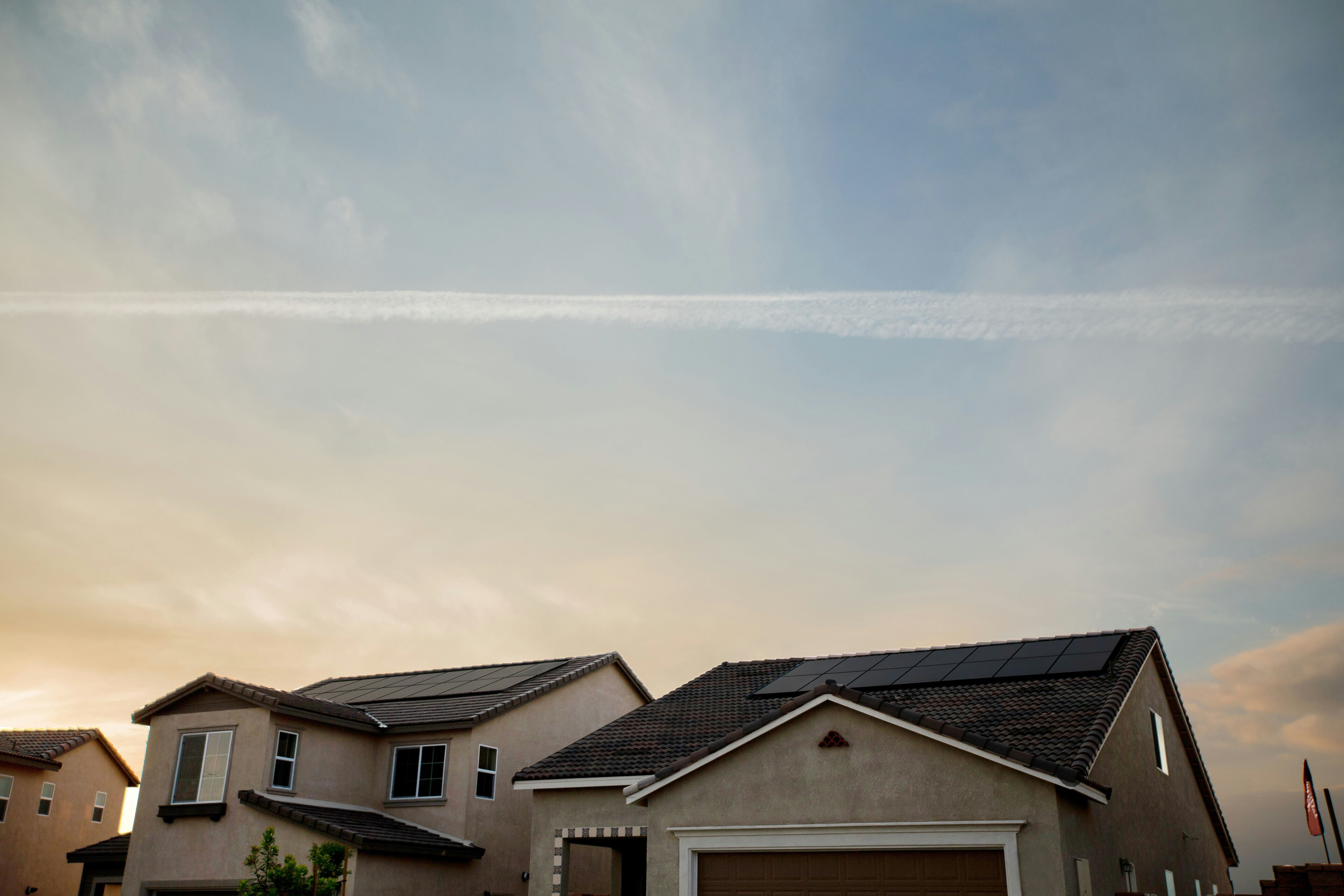
The flexumer model has potential but faces several obstacles. Image: Vivint/Unsplash
- Flexible users, or flexumers, actively interact with the power grid, moving from consuming to producing and storing energy, including costs and technical hurdles.
- This model has potential but faces several obstacles.
- Smart tech, clear incentives and supportive policies are key to scaling opportunities for flexumers to participate in the energy transition.
In today’s world, electricity consumers are largely treated as passive recipients of power. But in tomorrow’s system, they will be recognized as agents of flexibility.
In truth, different buildings and sites can actively support the grid, including houses, schools, hospitals, restaurants, shops, e-charging stations, depots, factories and data centres. By adjusting when and where electricity is used, such participants can, for example, ease pressure on the system by avoiding congestion, making it smoother for variable renewables to be integrated. In turn, this accelerates the clean energy transition and reduces the overall cost of electricity.
We simply must start to design for participation, transforming these complex interactions in user-friendly exchanges. Digital tools are making it easier – even effortless – for users to automate their energy use, tap into flexibility markets and contribute to grid stability.
Why flexumers matter now
We all know electricity grids are under pressure. To cite Rome as an example, grid demand in the city is expected to rise from 2,200 MW to 3,300 MW by 2032. At the same time, new renewable generation must be accommodated. This will add to volatility, congestion and connection delays.
What if, instead of simply expanding supply, we shifted the focus to how electricity is used?
Demand-side flexibility, enabled by smart technologies to reduce, shift or modulate electricity use, can improve utilization of existing grid infrastructure by up to 20%. According to a recent case study in the Netherlands, TenneT was able to unlock 9 GW of grid capacity by working with flexible users while helping them save up to 65% on tariffs.
As households, vehicles and businesses become more digitized and electrified, the opportunity grows. Unlocking that potential will not happen on its own. It requires deliberate design, collaboration and leadership from across the energy ecosystem. This will require action from all of us in the energy industry.
Barriers to broader participation
Despite its potential, the flexumer model faces several obstacles. Cost remains a key concern. This includes the upfront investment in smart devices, the complex onboarding process and ongoing operational risks. Many consumers lack the knowledge or incentive to engage. They’re discouraged by obscure pricing models and unclear value propositions. So too, cultural resistance also plays a role as many consumers find it hard to kick old energy habits with shifts “feeling” too complex.
Technical hurdles, such as device compatibility or lack of automation, also slow adoption. For businesses, concerns around interference with core operations, such as maintaining indoor climate or production schedules, are a big issue too.
Alongside breaking down these barriers, scaling flexumer models is also critical. For the energy transition to succeed, stakeholders must move beyond pilot programmes and commit to fully integrating flexumers into market structures, business models and operational planning.
What it will take to unlock the revolution
To accelerate the transition from consumer to flexumer, three enablers must come together.
- Value propositions must be clear and attractive. Participants need guaranteed savings or revenues delivered without compromising their comfort, business continuity, or control.
- Seamless digital experiences are essential. Participation must be automated through smart meters, devices, apps and platforms that make flexibility easy (even invisible) for users.
- Awareness and education are key. Campaigns that demystify participation and build trust are critical to change mindsets, particularly where regulation is shifting quickly.
What success looks like
RomeFlex, a pioneering pilot for local flexibility markets in Italy, offers a glimpse into what the energy future could look like. Spearheaded by Areti, the city’s Distribution System Operator (DSO), the initiative is designed to unlock flexibility from distributed energy resources through market-based auctions. The most recent auction in June 2025 drew over 1,300 flexumers (representing 21 MW). This is more than triple the participation seen just four months before. In total, the grid is expected to request 250 GWh of flexibility services in Rome by 2032.
RomeFlex’s predictive analytics and market-based procurement model align with the European Commission’s recommendations. The project shows how distributed flexibility, once harnessed, can scale rapidly and deliver measurable value.
Other cities are following suit. In Munich, Germany, electric vehicles could offer up to 1.2 GW of flexible grid capacity by 2030. Buildings equipped with AI are already cutting HVAC electricity use by nearly 16% in pilot programmes.
These examples show that the tools exist and that when stakeholders align, change can happen fast.
Everyone has a role to play
We often talk about energy users as the end point. In reality, they may be the most underutilised resource we have. Flexumers are enabled by an entire ecosystem.
DSOs like Areti, must develop grid services that can accommodate flexible demand. Technology providers play a role in delivering the digital tools and platforms that simplify participation and policy-makers and regulators must set clear rules that reward flexibility, modernize tariffs and streamline participation. Energy retailers must act as intermediaries, aggregating demand and translating it into market opportunities. Consumers, from households to businesses, must be empowered and incentivized to act.
Ultimately, it is a complex coordinated effort. Success will only be achieved through alignment of modern grid infrastructure, dynamic pricing, supportive regulation, innovative finance models and trusted digital platforms.
From passive to active
It’s a bold step towards more flexible, decentralized and sustainable energy systems. But it requires coordinated action. Consumers must be given the tools, incentives and knowledge to participate. This may involve adjusting energy use, connecting distributed assets, or joining local flexibility markets. Importantly, flexibility should not just be accessible but automatic. This is how we will move from ambition to adoption – and from consumer to flexumer.
Siemens has been a key contributor in developing a framework on the integration of consumers in future power systems, supported by the following infographic under the Centre of Energy and Materials.
Don't miss any update on this topic
Create a free account and access your personalized content collection with our latest publications and analyses.
License and Republishing
World Economic Forum articles may be republished in accordance with the Creative Commons Attribution-NonCommercial-NoDerivatives 4.0 International Public License, and in accordance with our Terms of Use.
The views expressed in this article are those of the author alone and not the World Economic Forum.
Stay up to date:
Energy Transition
Related topics:


Forum Stories newsletter
Bringing you weekly curated insights and analysis on the global issues that matter.
More on Emerging TechnologiesSee all

Markus Kirchschlager and Benedikt Gieger
March 20, 2026


