How modern methods of construction support the SDGs
Modern methods of construction offer a pathway to sustainable development. Image: REUTERS/Jose Luis Saavedra
- Developing and recovering countries often lack the resources and structures to build sustainable infrastructure, constraining local economic growth.
- Traceability and streamlined governance are essential for attracting the necessary financing to deliver infrastructure at scale and pace.
- Modern methods of construction offer a pathway to establishing local industries that can thrive while providing higher-quality infrastructure.
The current model for deploying finance in developing and recovering economies is not achieving the scale or speed needed to deliver essential infrastructure such as schools, hospitals and transport systems.
Blended finance could help bridge the estimated $2.5 trillion annual investment gap for the Sustainable Development Goals, according to the OECD.
Yet many of these economies lack the governance and accountability mechanisms funders require. New delivery models are needed to provide transparency on how funds are used and the outcomes achieved, while giving confidence to both investors and communities.
Construction as a development tool
Modern methods of construction (MMC) is a broad toolkit of construction delivery technologies that can help an economy transition from international aid to local in-country commerce. Through project standardization and simplifying on-site activities, MMC can forge a new streamlined pathway, speeding up the delivery of public infrastructure.
While not new, these technologies are too often overlooked as tools to drive a transition toward more equitable outcomes and local economic growth.
For example, the Mapleton Crescent development, a modular high-rise in London, was built at the pace of one storey per day. Despite this rapid construction, the building was clad in high-quality ceramic tiles created with local ceramic artist Lorraine Rutt, strengthening the sense of place while showcasing the potential of modern methods of construction.
When applied thoughtfully, standardization can actually raise construction quality, strengthen cultural identity and enhance the local sense of place, delivering long-term value without sacrificing design specificity
Developing and recovering countries often lack the public capital needed to build stable economies and essential infrastructure such as power lines, hospitals and clean water. Faced with the urgency of these needs, they adopt short-term fixes that overlook long-term growth, such as rebuilding skills and commerce.
Private finance, especially when blended, can support vital infrastructure but must be tied to clear development goals and delivery models. These models should strike a balance between local capacity and long-term growth, while ensuring governance and traceability without hindering deployment.
Yet, rigid processes, such as treating the rebuilding of a bridge as a new project, often create delays. To be effective, financing must combine investor confidence with the speed required to meet urgent community needs.
Unlocking MMC’s potential
MMC comes in a vast range of formats, best described by the UK’s Ministry of Housing, Communities and Local Government’s definition framework, which outlines seven categories.
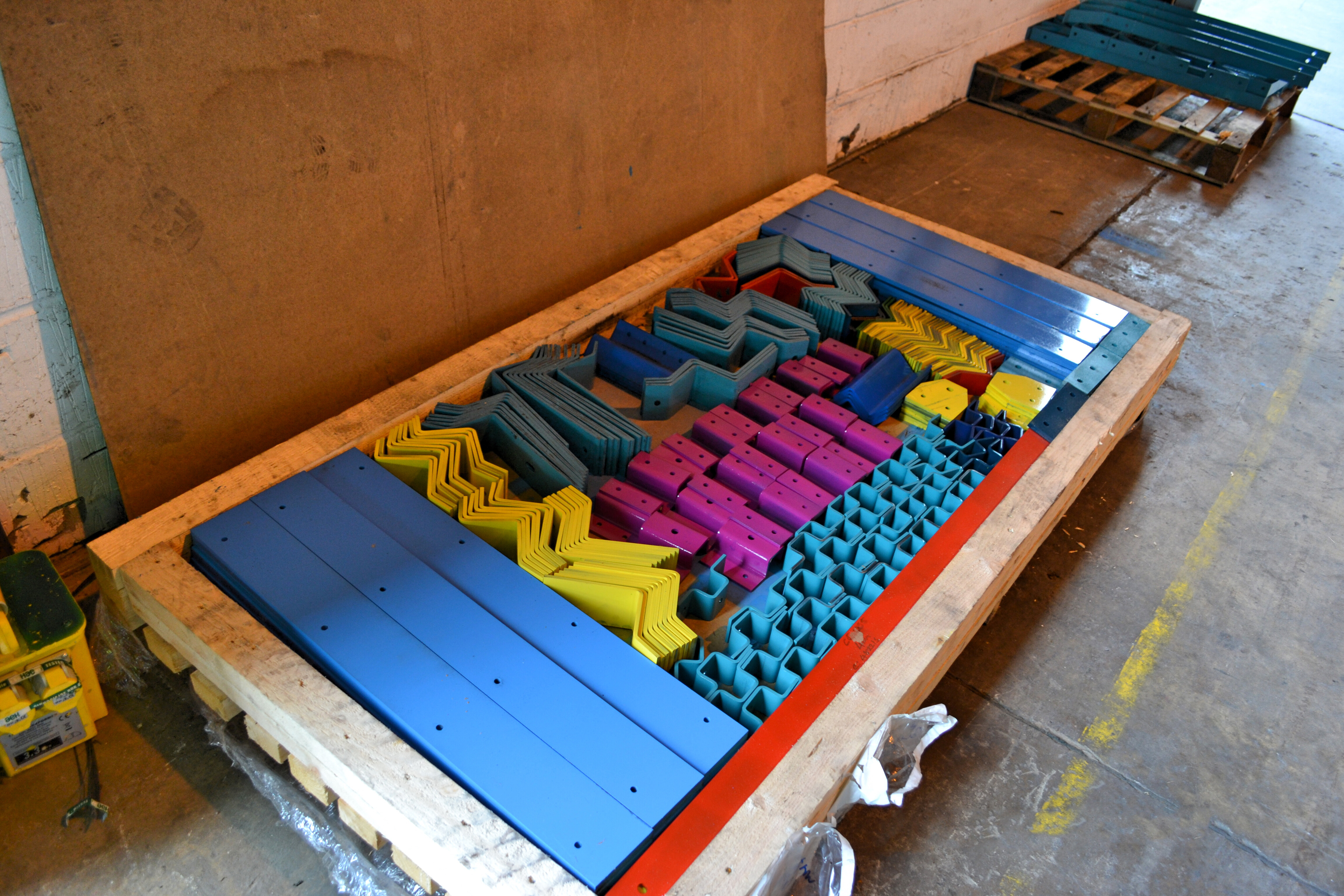
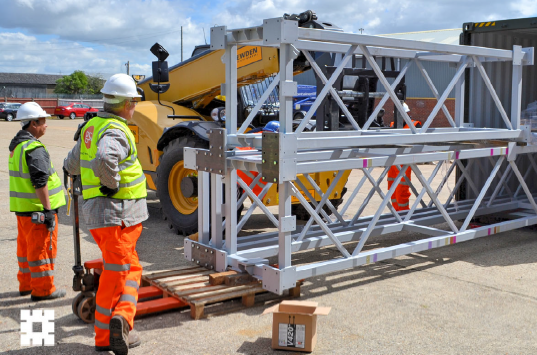
Popular formats include modular, with complete sections of buildings manufactured off-site or panelized systems, where walls are assembled away from the building site.
Phased MMC deployment can begin with modular systems manufactured internationally, ensuring the quality and rigour often required by funders. At the same time, local businesses contribute through activities such as foundations, drainage and civil works, drawing on local labour, materials and site knowledge.
This approach balances international capability with local participation, while building capacity and progressively increasing in-country manufacturing and workforce skills.
MMC also help industrialize construction delivery, bringing greater transparency, as modular units can be quality-checked before shipment, giving funders confidence that quality standards and sustainability goals are met.
By standardizing processes and using tools such as blockchain, MMC can streamline operations, directly link financing to verified progress and expedite delivery, for example, by speeding up payments to subcontractors who often have to wait far longer times to be paid.
But to deliver real economic benefits, MMC investment must shift towards creating value within the country.
This requires governments and development finance institutions to collaborate with international businesses, offering guarantees and incentives to establish local factories, train workers and build supply chains to support local commerce.
For instance, an international wall panel manufacturer (as part of winning a contract), could receive financing and tax breaks to open a local facility while training and employing local people.
Similar financing models are already used in sustainable infrastructure projects in developed economies and once stability is established, financing can evolve to support longer-term growth.
Security-resilient and skills-responsive
In a study by Turner and Townsend, nearly 80% of the 91 construction markets surveyed identified skills shortages as a key factor limiting the development of needed public infrastructure. In emerging economies, personal security can also be a barrier; therefore, businesses must provide adequate safeguards for their staff and supply chains.
MMC’s replicable processes and standardization provide a solution to these contexts. For example, it can equip military personnel to build complex infrastructure typically associated with expertly trained construction workers.
Pharmaceutical giant GlaxoSmithKline, through its “Factory in a Box” building system, trained a team of former Gurkhas to deliver a complex pharmaceutical facility without prior construction experience. The project cut the delivery schedule from 12 to four weeks, while reducing costs by 30%.
This model holds particular relevance for reconstruction efforts in conflict-affected regions, where there may be a shortage of construction skills and an urgent need to rebuild public infrastructure quickly and affordably.
Scaling MMC
There are examples of how MMC has been deployed to drive scale and pace but also achieve wider benefits. For example, MMC deployed in the Liverpool city region is being applied to new and old housing stock, reducing fuel poverty and increasing local skills and employment.
In submissions to the UK Parliament, Savills has outlined the advantages of MMC in elevating the standard of new housing. A common issue in rapidly developing or recovering economies is the trade-off between speed of construction and quality. This can, unfortunately, lead to compromised security, occupant safety concerns and increased long-term expenses.
Activating this model requires a systematic approach that combines innovative financing, such as blended finance, with modern delivery methods, including MMC.
Governments, development funds, contractors and delivery partners must work together to define clear roles in helping developing economies become more stable and self-sufficient. This collaboration can also deliver social benefits, such as creating job pathways for underemployed groups through targeted training.
By doing so, we can break the cycle that prevents these economies from building the essential infrastructure needed for modern society.
Embracing MMC means that developing and rebuilding countries can progress sustainably and equitably, striking a balance between economic growth, environmental protection and social well-being, delivering higher-quality and longer-lasting places.
MMC can create local employment opportunities, reducing the time spent in unsafe or temporary housing and ensuring faster access to critical services, such as schools, clinics and clean water infrastructure.
By delivering essential public infrastructure more quickly and efficiently, MMC can improve daily living conditions, enhance the quality of the built environment and increase resilience in vulnerable communities.
KPMG is a partner of the Davos Baukultur Alliance, which brings together public and private sector stakeholders around a shared commitment to enhancing the quality of our built environments and urban life. It advocates for shaping more resilient, equitable and sustainable communities globally.
Don't miss any update on this topic
Create a free account and access your personalized content collection with our latest publications and analyses.
License and Republishing
World Economic Forum articles may be republished in accordance with the Creative Commons Attribution-NonCommercial-NoDerivatives 4.0 International Public License, and in accordance with our Terms of Use.
The views expressed in this article are those of the author alone and not the World Economic Forum.
Stay up to date:
SDG 09: Industry, Innovation and Infrastructure
Related topics:


Forum Stories newsletter
Bringing you weekly curated insights and analysis on the global issues that matter.
More on Manufacturing and Value ChainsSee all

Samaila Zubairu
March 3, 2026


