Why a global plastics treaty is an economic and environmental necessity
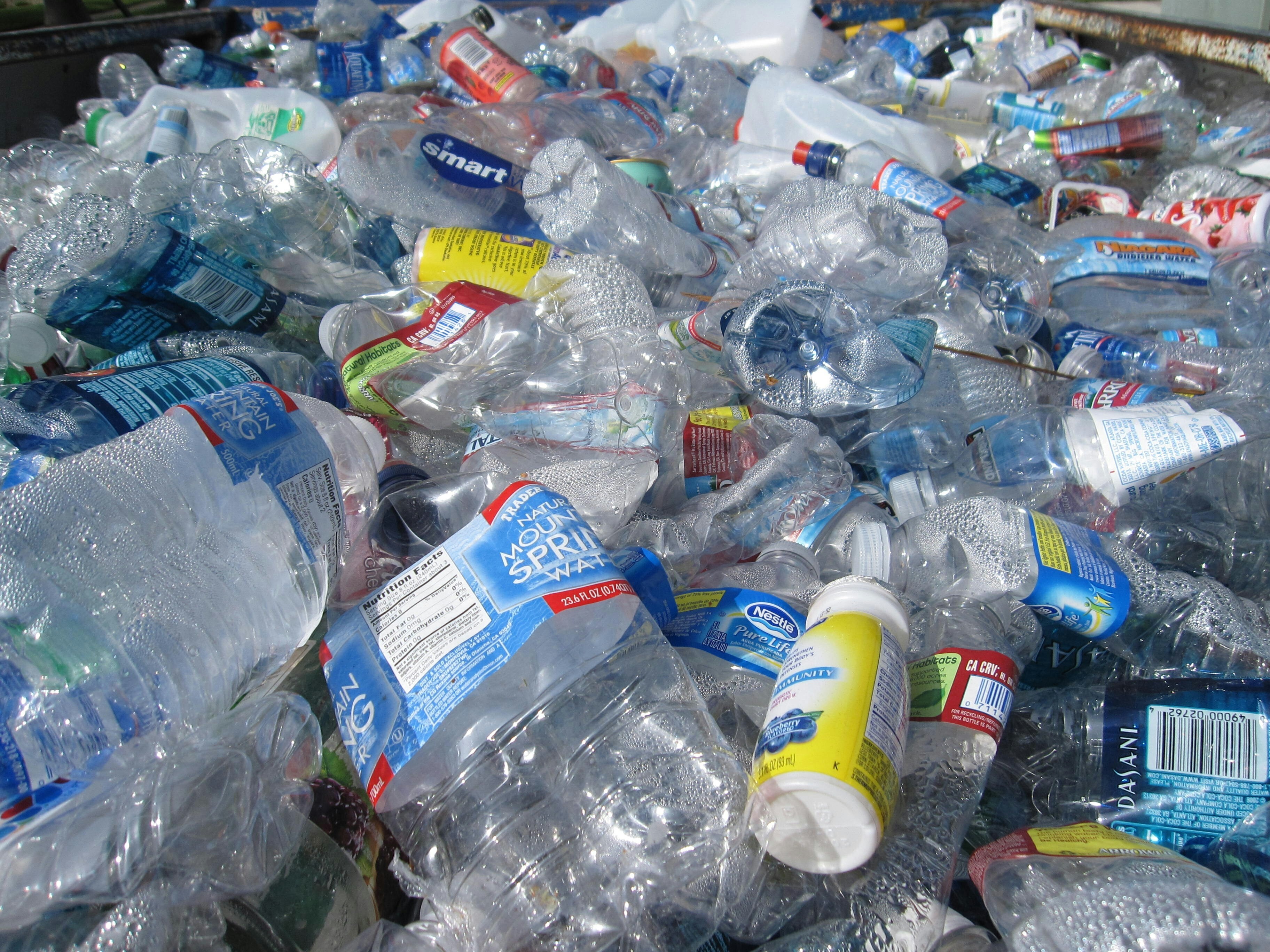
After more than two years of talks, the world still does not have an agreed plastics treaty. Image: Tanvi Sharma/Unsplash
Swathi Seshadri
Energy Specialist, Petrochemicals, South Asia, Institute for Energy Economics and Financial Analysis (IEEFA)- An agreement on a global plastics treaty has yet to be reached, despite years of talks.
- The polymer industry faces a long-term structural decline that will transform how plastics are produced and consumed.
- A strong treaty can protect citizens from the hidden costs of polymers and the economic and financial vulnerability resulting from overcapacity.
The second part of the fifth session of the Intergovernmental Negotiating Committee (INC-5.2) to develop an international legally binding instrument on plastic pollution took place from 5 to 15 August 2025 in Geneva, Switzerland. After more than two years of talks, INC-5.2 failed to deliver an agreement.
Though negotiations continue, the delay underscores the urgent need for a binding global instrument.
The polymer industry is facing a long-term structural decline that will transform how plastics — particularly single-use — are produced and consumed. This is caused by a long-term economic slowdown, ageing populations in many economies and an increasingly unstable geopolitical landscape. Younger populations typically use more single-use plastics, but key consumers, such as China and the US, are recording a lower rate of growth in their younger demographic. Global trade realignments and supply chain disruptions due to wars have weakened the sector’s historical stability, while efforts to combat plastic pollution are intensifying.
COVID-19 hit the petrochemical industry hard, too. While there was a marginal rebound in 2021, this was not sustained due to a global economic slowdown. Yet, we see countries continuing to invest in polymers to the detriment of their economies.
Production capacity is set to exceed demand
Ethylene and propylene are two key building blocks in plastic manufacturing. In November 2024, Bloomberg New Energy Finance (BNEF) projected that global ethylene capacity will grow at a record pace this decade, with as much as 61 million metric tonnes being added annually between 2024 and 2030. BNEF also estimated that about 70% of planned capacity would already be operational by 2024, with the remaining 30% to be added by 2030. In fact, BNEF finds that production capacity will exceed demand by 20.7% for ethylene and by 26.6% for propylene by 2030.
In 2023, Independent Commodity Intelligence Services (ICIS) reported that global operating rates — the share of production capacity actually in use — for ethylene are expected to average 80% and for propylene 72% between 2022 and 2030, down from 88% and 81% respectively in 2000-2021.
These trends have hit the industry hard. According to a July 2025 report by Boston Consulting Group, the average return on capital employed for global petrochemical companies fell from 8% in 2019 to around 4% in 2024, while EBITDA for global petrochemical companies plummeted from 17% to about 12% in the same period. IEEFA’s research, based on data from Bloomberg Intelligence, shows that the return on assets are now lower than 2000 levels.
Companies taking cost-saving measures
To address this financial instability, companies have taken up cost-saving measures, such as increasing plant and back-office efficiencies, redesigning processes, aligning spending levels with macroeconomic conditions, workforce reductions and plant closures. In a survey conducted by the American Chemistry Council in 2024, 18% of the respondents reported that their decisions behind capital investment were geared towards operating efficiencies.
The regulation for polymer production, proposed and supported by 89 countries and reflected in Article 6 of the Chair’s text at the end of INC 5.1, will aid the industry — already engaged in product rationalization — in getting back on its feet. In fact, IEEFA’s belief is that a production cap mandated by the proposed plastics treaty can serve to modulate and stabilize growing supply and demand imbalances, while also easing the integration of more sustainable products and business models regionally and globally.
The APAC region, set to host the bulk of new polymer capacity by 2030 and the world’s largest importer, has particular cause for concern.
Based on BNEF data, our analysis shows that APAC (including China) accounts for 56% of ethylene and 77% of propylene capacity additions between 2010 and 2030. West Asia accounts for 20% and 14% of capacity additions of ethylene and propylene respectively for the same period. IEEFA’s study of trade in nine key monomers and polymers used to make plastics suggests that Asia has emerged as a key arena for petrochemicals, with 11 of the top 17 exporters and 18 of the top 43 importers located in the region.
However, given the unreliability of the market for base chemicals and their polymers, emerging economies in Asia — expected to contribute 60% of global economic growth — will be rendered vulnerable if they rely on plastics and polymers for their development. Moreover, with shrinking markets and a pile up of polymers and their feedstock, countries, especially developing ones dependent on petrochemical trade, risk exposing themselves to looming financial crises.
Addressing plastic pollution at its root
Two concrete inclusions in the proposed treaty would help address plastic pollution at its root.
First, the application of the Essential Use Concept, the precedence of which has been established in the Montreal Protocol. This approach effectively phased out ozone-depleting chlorofluorocarbons, except for essential use. This could be adapted to identify and phase out hazardous and unsustainable polymers and plastics, except those recognized as essential for health and safety.
Second, for non-essential polymers and plastics, especially packaging and single-use plastics, which account for approximately 40% of all plastics, alternate materials and decentralized production and consumption systems could significantly reduce plastic pollution. To achieve this, the plastics treaty would need to set global polymer production caps, targets for phasing out of hazardous chemicals, mandate product design that reduces single-use and establish decentralized distribution systems. These will offer the potential for the emergence of an alternate economy and help future-proof countries, especially in Asia Pacific, that are dependent on crude oil and feedstock imports to produce polymers and plastics.
Without reform, global economies risk absorbing the financial and social costs of an unsustainable plastics trajectory. A strong plastics treaty can protect citizens from the hidden costs of polymers and the economic and financial vulnerability resulting from overcapacity, while unlocking opportunities in alternative materials and sustainable consumption systems.
Don't miss any update on this topic
Create a free account and access your personalized content collection with our latest publications and analyses.
License and Republishing
World Economic Forum articles may be republished in accordance with the Creative Commons Attribution-NonCommercial-NoDerivatives 4.0 International Public License, and in accordance with our Terms of Use.
The views expressed in this article are those of the author alone and not the World Economic Forum.
Stay up to date:
Plastic Pollution


Forum Stories newsletter
Bringing you weekly curated insights and analysis on the global issues that matter.
More on Climate Action and Waste Reduction See all

Temidayo Akenroye and Hushneara Begum
April 10, 2026


