Transforming industrial ecosystems: Repurposing the North Sea legacy for a just energy transition
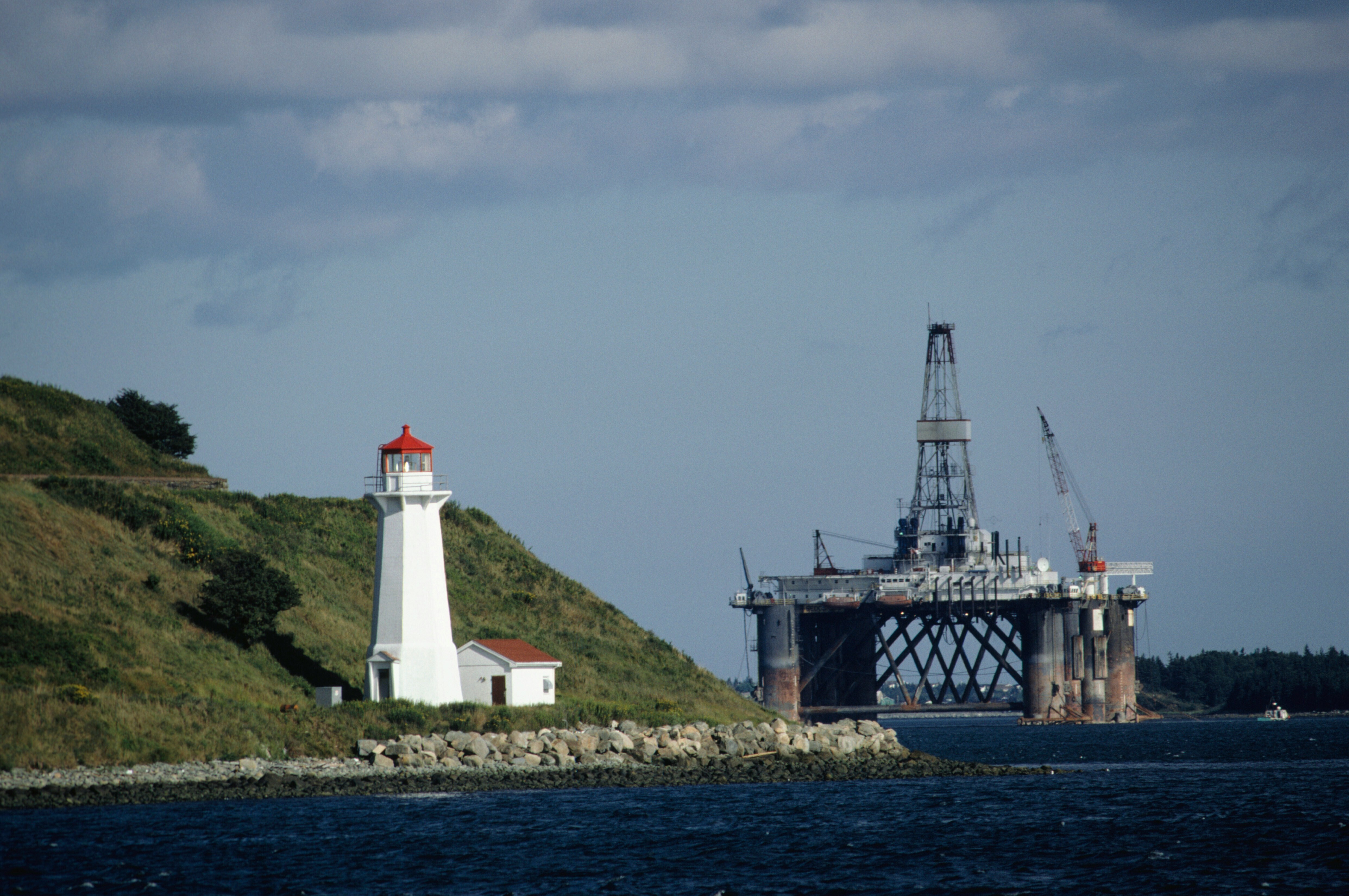
The repurposing of industrial sites in the North Sea could provide a model worldwide. Image: Unsplash/Getty
- Reusing existing industrial energy sites for clean energy production avoids additional land use, reduces embedded emissions and shortens development timelines.
- Retaining highly skilled workforces on previous oil and gas sites for future projects protects livelihoods and ensures that the energy
transition is delivered with competence and continuity. - Principles employed in the reuse of the North Sea Shetland site could be applied to other industrial heartlands where communities face similar transition challenges.
For over half a century, the North Sea has powered the UK economy, driven industrial growth and provided thousands of well-paying jobs in some of the country’s most remote communities.
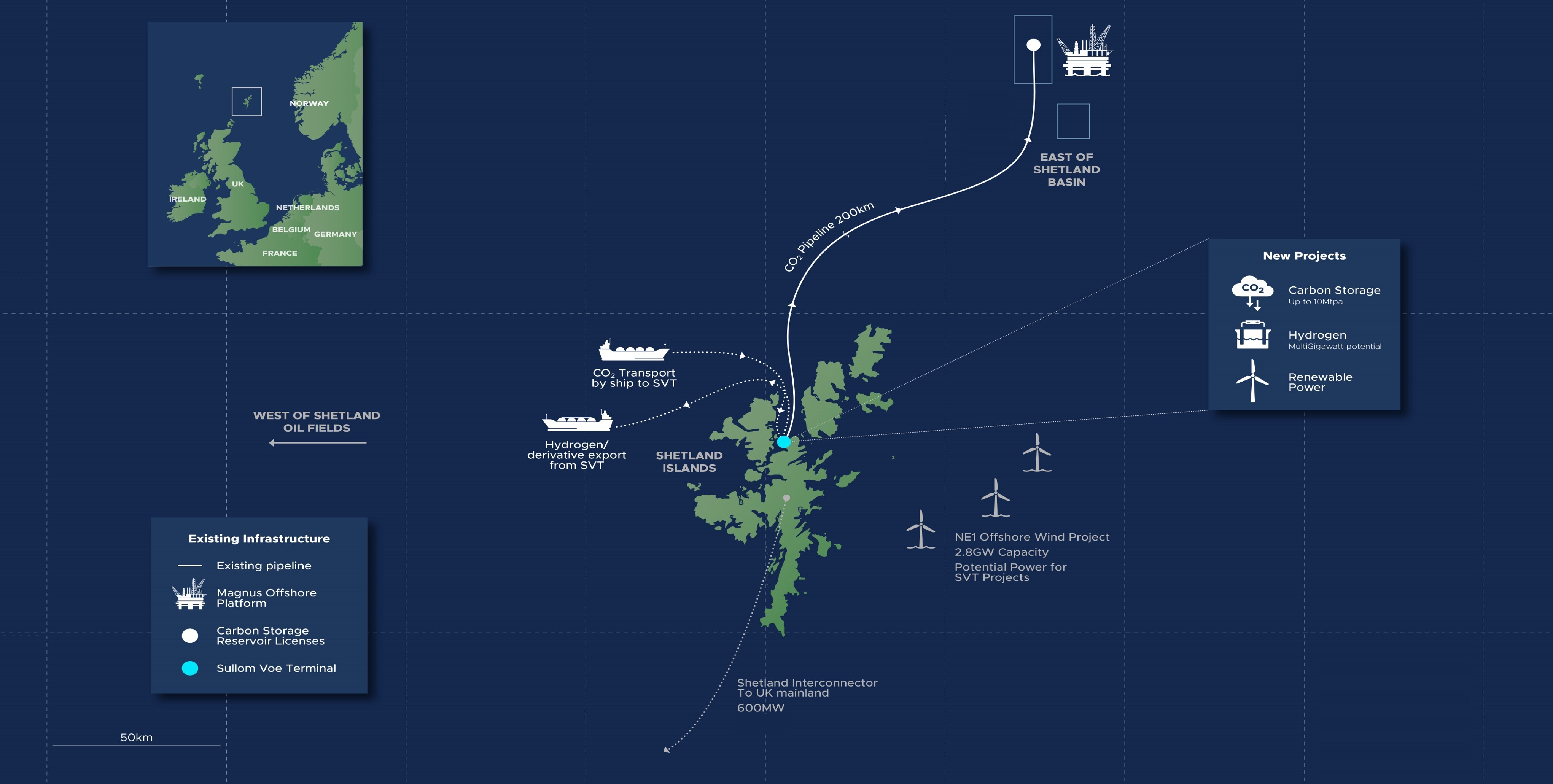
At the heart of this energy story lies the Sullom Voe Terminal (SVT) in Shetland, one of Europe’s great coastal energy facilities. Built during the North Sea boom of the late 1970s, SVT enabled the transport, processing and export of vast quantities of oil and gas, transforming the economy of Shetland and making a vital contribution to UK energy security for decades.
A just energy transition requires more than targets and timelines. It requires an honest reckoning with our existing assets and a commitment to bringing people along through the process.
”At its peak in the mid-1980s, SVT processed 1.5 million barrels of oil per day, making it the then largest oil terminal in Europe. Today, with natural basin decline, throughput east of Shetland has fallen to fewer than 50,000 barrels per day, according to Wood Mackenzie.
This structural shift places SVT and the communities it supports at a defining moment. Left to go into disrepair, the site risks becoming a stranded asset, its infrastructure underutilized and its workforce dispersed.
Managed with foresight, it can be repurposed to anchor a new era of clean energy production, safeguarding skilled employment while leveraging decades of industrial expertise and world-class infrastructure.
Clean energy future
Repurposing existing energy infrastructure offers enormous potential. Facilities like SVT were built to industrial standards that remain globally competitive. Their jetties, deepwater port, offshore pipelines and platforms can be retooled for renewables, carbon capture and low-carbon fuels.
Crucially, this approach minimizes environmental disruption. Rather than building new infrastructure from scratch, reusing existing sites helps avoid additional land use, reduces embedded emissions and shortens development timelines.
Internationally, repurposing projects have shown mixed results. At Grangemouth in Scotland, for example, the closure of a major refinery without a long-term transition plan has highlighted the risks of unmanaged decline.
In contrast, other regions such as Eemshaven in the Netherlands, have successfully diversified from fossil fuel import terminals into clean hydrogen and offshore wind hubs. The lesson is that planning and investment determine whether communities prosper or wither.
Equally important is the human dimension. Terminal operator EnQuest says that SVT supports around 500 direct and 500 indirect jobs in Shetland — an island population of just 22,000, according to data. For context, the Viking wind farm, the UK’s largest onshore wind project also located in Shetland, employs only about 35 people in operations.
This underlines what is at stake: without a plan, hundreds of skilled, well-paid roles risk disappearing, with profound impacts on local families, supply chains and the community as a whole.
Shetland's role in UK energy security
Looking forward, Shetland’s energy future is moving beyond oil production to e-fuels – synthetic fuels created by combining green hydrogen with carbon dioxide. With the strongest wind resources in Europe and infrastructure already in place, Shetland is uniquely positioned to become the UK’s leading hub for domestic e-fuel production.
If the UK is to reduce its reliance on imported fuels and build a secure, low-carbon energy system, Shetland’s role could be pivotal. By converting legacy infrastructure like SVT into a clean energy hub, the UK can both preserve local livelihoods and strengthen national resilience.
Communities at the heart
Perhaps most importantly, Shetland’s people and institutions are already deeply engaged in the energy transition, working together to secure the next chapter of prosperity for their community.
For decades, Shetlanders have operated some of the most complex energy systems in Europe with a focus on safety and technical excellence. Those skills are directly transferable to managing hydrogen, e-fuels and carbon storage.
That is why our work in Shetland is designed as a partnership model, collaborating with:
- Local government: This includes Shetland Islands Council, to align with regional development priorities.
- Community organizations: Transition planning should reflect local needs and aspirations.
- Industry partners: Important to leverage investment and expertise across the energy value chain.
This collaboration is shaping a clean energy and decarbonization hub that builds on SVT’s legacy rather than abandoning it.
By taking a whole-systems view, one that values community, continuity and environmental stewardship, we can turn yesterday’s infrastructure into tomorrow’s opportunity.
”Replicable model
The projects now advancing at SVT – from carbon storage using existing pipelines to e-fuel production powered by Shetland’s wind resource – are designed with replicability in mind. Repurposing legacy infrastructure to host next-generation energy solutions, has application far beyond Shetland.
Similar principles could be applied to other industrial heartlands across the UK and globally, from the Gulf of Mexico and Southeast Asia, where communities face similar transition challenges.
The World Economic Forum’s Transitioning Industrial Clusters initiative provides a practical framework for scaling such solutions. Aligning energy-intensive industries within regional clusters helps reduce emissions, safeguards livelihoods and builds competitive, sustainable industrial ecosystems.
A just energy transition requires more than targets and timelines. It requires an honest reckoning with our existing assets and a commitment to communities whose livelihoods are bound up with them.
By taking a whole-systems view, one that values community, continuity and environmental stewardship, we can turn yesterday’s infrastructure into tomorrow’s opportunity.
SVT began as a bold idea to unlock a new energy frontier. Its next chapter can do the same, not just for Shetland but as a template for how the world can transition with integrity, turning yesterday’s infrastructure into tomorrow’s opportunity.
Don't miss any update on this topic
Create a free account and access your personalized content collection with our latest publications and analyses.
License and Republishing
World Economic Forum articles may be republished in accordance with the Creative Commons Attribution-NonCommercial-NoDerivatives 4.0 International Public License, and in accordance with our Terms of Use.
The views expressed in this article are those of the author alone and not the World Economic Forum.
Stay up to date:
The Net Zero Transition

Forum Stories newsletter
Bringing you weekly curated insights and analysis on the global issues that matter.
More on Energy TransitionSee all

Renée van Heusden
April 6, 2026


