WHO pushes for climate-resilient cities – and other urban transformation stories to read this month
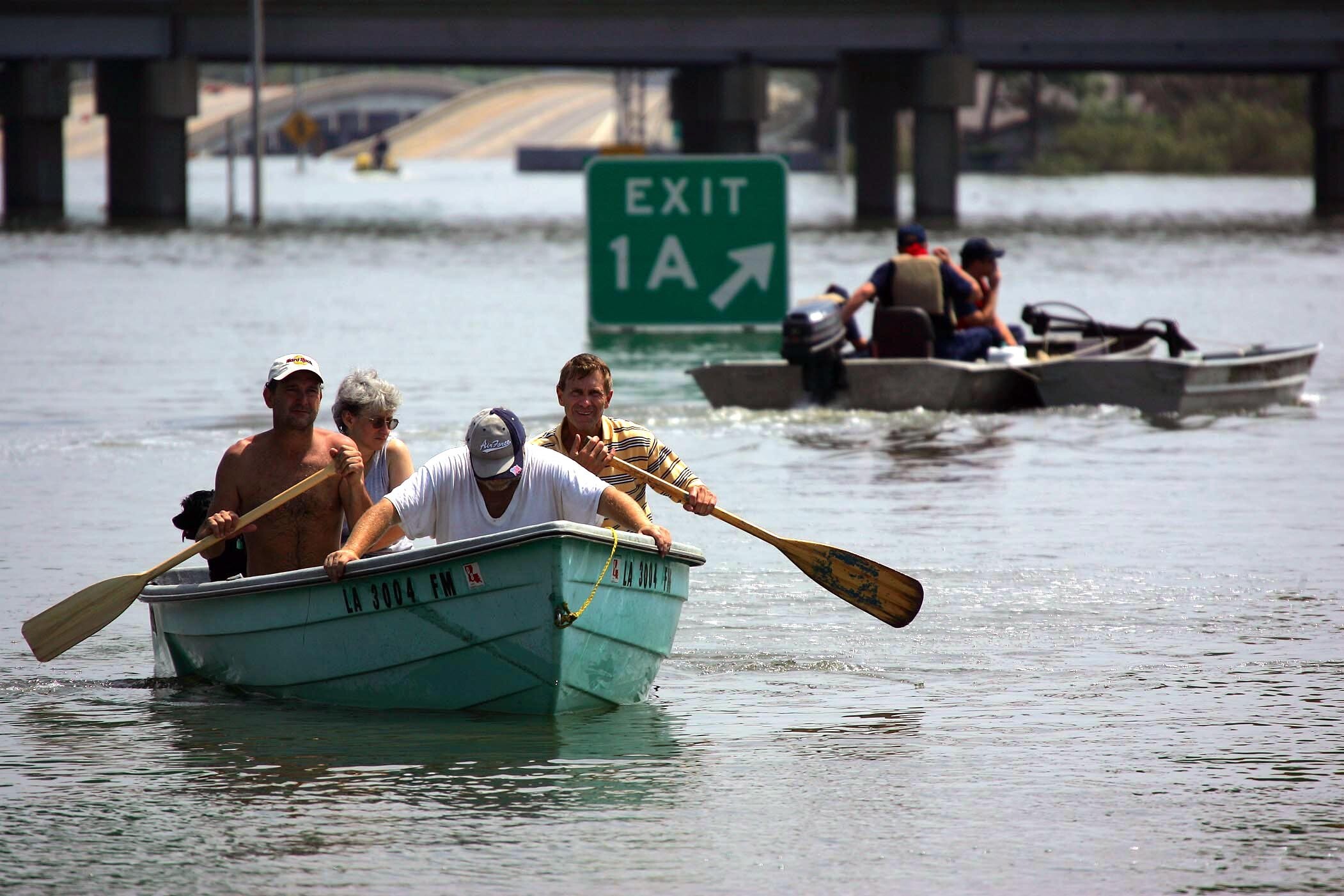
Cities need to build robust resilience against climate-driven health emergencies, says WHO. Image: REUTERS/Vincent Laforet/Pool
Jeff Merritt
Head of Centre for Urban Transformation; Member of the Executive Committee, World Economic Forum- This monthly round-up brings you some of the latest news on cities and urbanization.
- Top stories: Cities must rethink public health for the climate era, warns WHO; Delhi finalizes futuristic drainage plan to tackle flooding; COP30 accommodation crisis.
- For more on the World Economic Forum’s city-focused work, visit the Centre for Urban Transformation.
1. WHO offers new roadmap for urban health in a changing climate
The World Health Organization (WHO) is calling for a fundamental shift in how cities prepare for public health emergencies, warning that climate change is creating unpredictable new risks. Following a high-level meeting in early September, experts stressed that the vulnerability of dense urban areas requires a more integrated and resilient approach.
At the heart of the discussion was the WHO’s Preparedness and Resilience for Emerging Threats (PRET) initiative. Key pillars of the framework include:
- Building collaborative surveillance to detect threats early.
- Ensuring scalable clinical care to handle sudden patient surges.
The organization shared case studies from cities like Rio de Janeiro and Dhaka, illustrating practical applications of responding to climate-sensitive threats.
"Emerging threats are inherently unpredictable and often transboundary, with the potential to overwhelm fragile urban systems," stated Dr Pushpa Ranjan Wijesinghe of WHO's South-East Asia office, urging city leaders "to think the unthinkable" and plan accordingly.
The message was clear: embedding this proactive approach into urban governance is critical to safeguarding the health of billions against future crises.
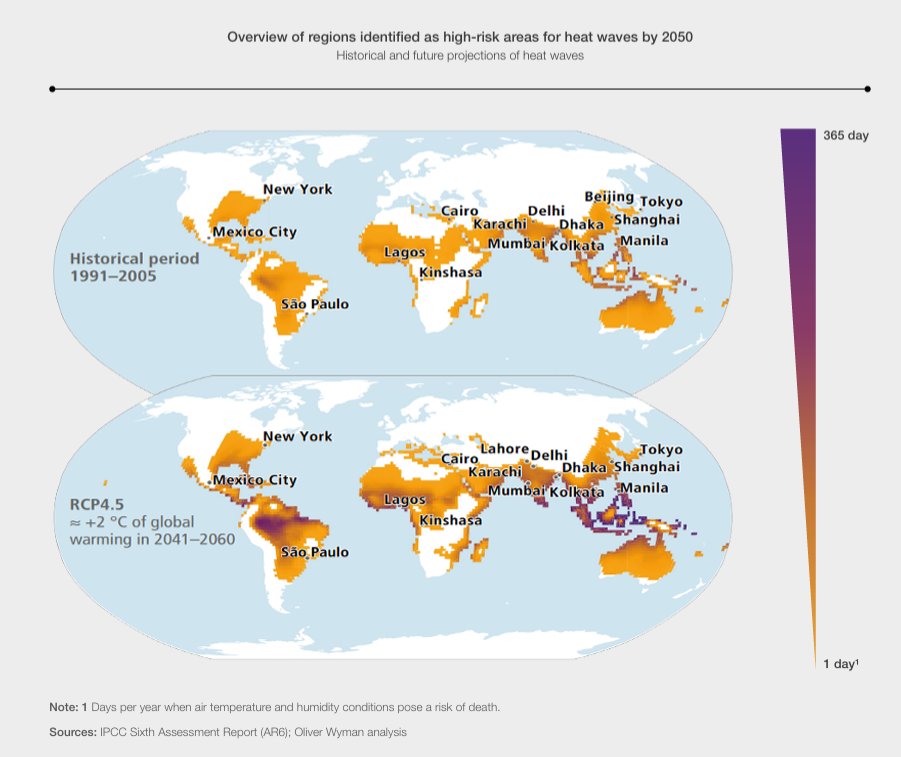
2. Delhi's first new drainage plan for 50 years 'investment in future'
In a major move to mitigate the city's perennial monsoon problems, the Delhi government has finalized a futuristic masterplan for stormwater drainage. The ambitious project, the first significant upgrade since 1976, comes just weeks after record August rains and a World Bank report highlighted the massive financial risks Indian cities face from extreme weather.
Without timely adaptation, Indian cities could face annual losses from pluvial (rainfall-driven) flooding of up to $5 billion by 2030. New Delhi was one of the cities studied, with the report noting that the rapid growth of built-up areas is severely reducing its capacity to absorb stormwater.
In response to that threat, the masterplan factors in an 11% increase in rainfall intensity, according to the Times of India, to cope with the escalating impacts of climate change.
Blending modern engineering with ecological restoration - in line with the World Bank's recommendations - the initiative promotes the rejuvenation of lakes and wetlands to create natural absorption zones. Officials say the project is more than just a technical upgrade: "This is not just a drainage plan; it's an investment in Delhi's future, one that will make the city cleaner, greener, safer and more liveable."
The urgency of such plans is underscored by events in neighbouring Pakistan, where devastating floods this month have swamped major industrial cities like Sialkot and Lahore, causing billions in damages and highlighting the severe cost of overwhelmed urban infrastructure.
3. News in brief: More top city stories
A severe accommodation crunch for the upcoming COP30 climate summit in Brazil is putting its host city, Belém, under pressure. Soaring hotel prices have already forced the United Nations to limit its attendance, with some governments calling for a relocation. In response, Brazil is working to nearly double Belém's hotel capacity before the November summit.
The Trump administration has launched a "Speed to Power" programme to accelerate energy infrastructure development, citing rising demand from AI and data centres powering the digital transformation of cities. To meet the immediate electricity shortfall, the Department of Energy is also ordering some retiring coal and natural gas plants to continue operating.
A London Assembly report is calling for a major clean-up of the city's polluted rivers, creating 10 new wild swimming spots, the Guardian reports. Following the lead of cities like Paris and Chicago, the report urges the mayor to tackle water quality with the same policy focus as the ULEZ anti-pollution scheme, setting a target for four new designated bathing sites by 2028.
What is the World Economic Forum doing to promote sustainable urban development?
Malaysia is launching a nationwide "AI Cities" initiative to accelerate its transformation into a smart and sustainable nation, Bernama reports. The plan will push local authorities to adopt AI for optimizing core urban services like traffic management, resource allocation and public safety. Drawing inspiration from China's "City Brain" model, pilot smart city command centres will be established in Perak and Penang.
4. More on urban transformation on Forum Stories
"Tokenizing public works could offer a unique 'win-win' for investors and communities," writes Forum expert Harry Yeung. In this article, he explores how this financial innovation can democratize infrastructure investment, succeeding where previous models have fallen short and creating a powerful new engine for inclusive growth.
Is it possible for a major city to have zero traffic deaths in a year? Helsinki just proved it is. Watch below for the story of the ambitious safety programme that made it happen:
The health impacts of climate change could cost the global economy at least $1.5 trillion in lost productivity by 2050, the Forum's new report with Boston Consulting Group finds. Building Economic Resilience to the Health Impacts of Climate Change provides a cross-sector analysis of the growing risks to industry and communities, arguing that to protect workforces, future-proof operations and drive long-term growth, businesses must now make human health a central pillar of their resilience strategy.
License and Republishing
World Economic Forum articles may be republished in accordance with the Creative Commons Attribution-NonCommercial-NoDerivatives 4.0 International Public License, and in accordance with our Terms of Use.
The views expressed in this article are those of the author alone and not the World Economic Forum.

Forum Stories newsletter
Bringing you weekly curated insights and analysis on the global issues that matter.
More on Built Environment and InfrastructureSee all

Lin O’Grady and Alice Charles
April 7, 2026


