Why our current food systems are no longer fit for purpose
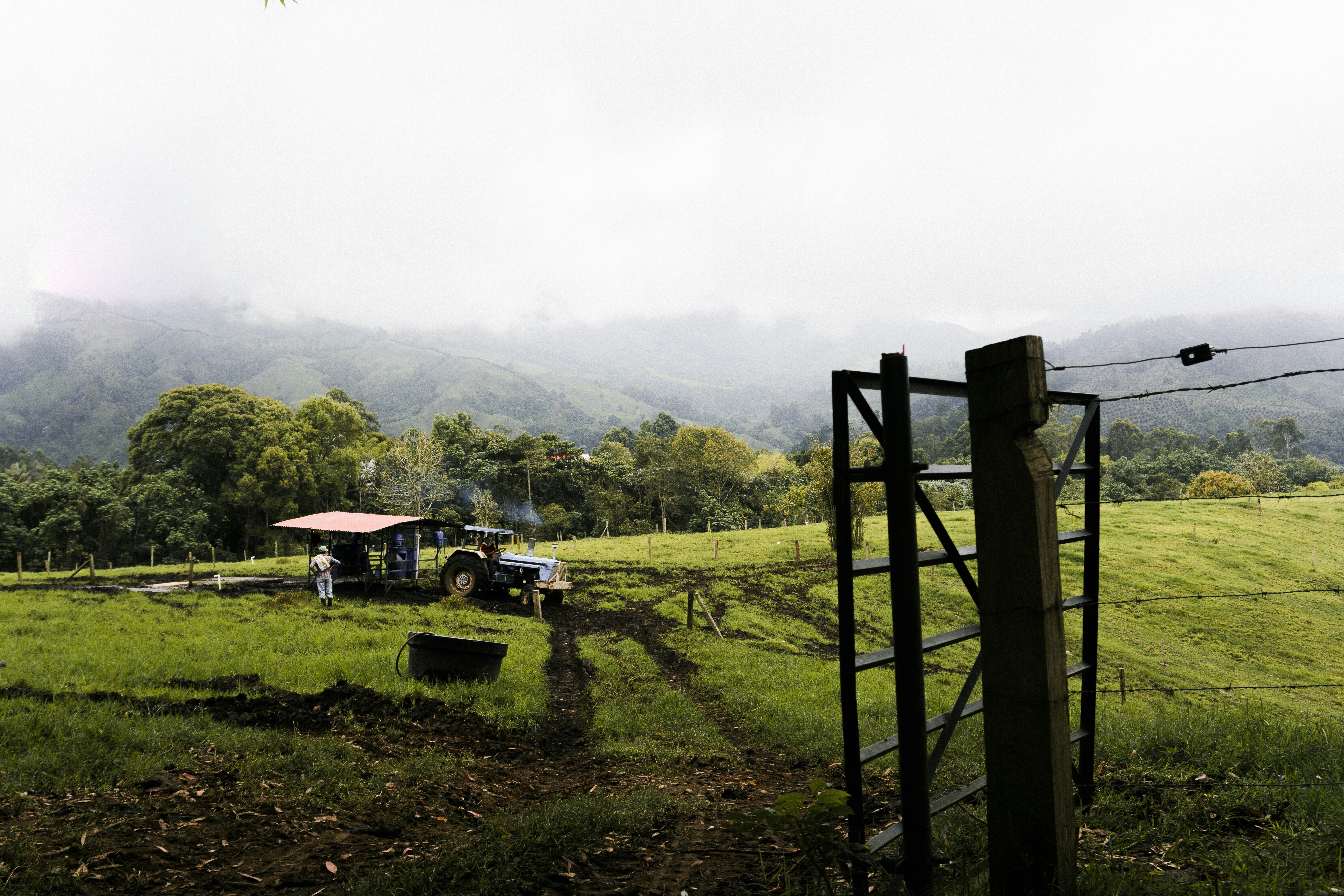
Food systems worldwide are increasingly unable to meet the needs of the communities they serve. Image: Julian/Unsplash
- Food systems around the world are coming under significant pressure and are increasingly unable to meet the needs of the communities they serve.
- Due to challenges such as the climate crisis and obesity, current global food systems are not delivering consistent access to an affordable, nutritious diet.
- Now is the time for organizations — both within and beyond the food system — to reflect on how they might help create resilient future food systems.
Much has been written about the inherent complexity of global food systems. They shape outcomes for individuals, organizations, communities and countries.
When they work effectively, they underpin societal stability, while creating better environmental and health outcomes. Getting all the pieces working in sync with each other is like putting together a difficult jigsaw. It takes time and requires focus but ultimately is worth the effort.
The evidence, unfortunately, suggests that many food systems around the world are coming under significant pressure and are increasingly unable to meet the needs of the communities they serve. The pressure is coming from climate change, biodiversity loss, geopolitical shifts, energy challenges and deteriorating health outcomes across society.
These challenges are not new and have all been the subject of deep research and thinking over many decades. There is, unfortunately, no single silver bullet that will suddenly deliver sufficient, affordable, nutritionally balanced, sustainably produced food for every person on the planet.
Conflicting demands in the global food system
To date, the food system has been left to farmers, growers, fishers and the food processors who have continuously innovated to be able to meet the demands of the global population. However, those demands are evolving in opposite directions.
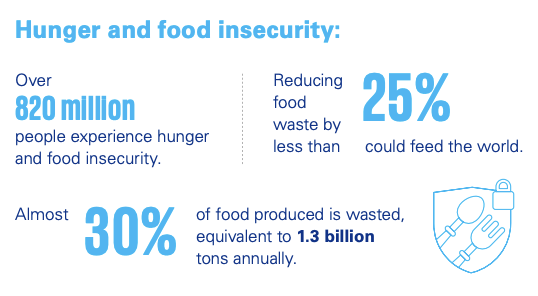
On the one hand, affluent consumers expect increasing transparency in the origin and quality of the food they consume, with strong alignment to their culture and values. At the same time, the UN estimates that approximately 820 million people experience hunger and food insecurity on a regular basis.
Meanwhile, the challenges and costs of food connected illnesses like obesity, diabetes and heart disease are now estimated to cost the global economy $3.5 trillion per annum.
Our current global food systems are not delivering consistent access to an affordable, nutritious diet to every person on the planet. History tells us that social cohesion cannot be maintained if a portion of the population is unable to feed themselves and their families.
Challenges of keeping farmers farming as millions face food insecurity
The COVID-19 pandemic highlighted the weaknesses inherent in global food systems as supply chains ceased up and millions around the world were faced with queuing for food and empty shelves for the first time in their lives.
The invasion of Ukraine and other geopolitical events, increasing frequent extreme climate risks, energy shortages, cost of living challenges and now international trade tensions have further highlighted the lack of resilience inherent in food systems and the consequences that this has for people around the world.
KPMG firms’ work with clients and other stakeholders in global food systems over the last two years led us to start thinking deeply about a key issue that seemed to come up in every conversation. What needs to be done to keep farmers farming and producing the food that society demands today and will demand into the future?
With costs associated with growing food increasing – inputs like fertilizer and energy, people, technology, interest rates etc – the profitability of farming businesses around the world has deteriorated as they have been unable to pass these cost increases on to their customers and consumers as small family businesses are usually price takers.
Meanwhile, the price setters (in many cases the retailers) have been under increasing political pressure to limit food price increases, or make food cheaper, as governments seek to respond to the impacts higher living costs were having on the wider community.
Add to this, the challenges of responding to the impacts of increasing climate volatility on a farmer’s growing system. The expectations of society are also increasing in respect of how farmers manage their impacts on water, biodiversity and animals to maintain their licence to operate.
At the same time, alternative economic options for the use of the land have emerged including renewable energy, data centres and housing. In addition, the challenges of life in remote rural areas, including accessing education and healthcare, are taking an increasing mental health toll on farmers.
It has become apparent to us that the many issues facing global food systems crystallize around the challenge of keeping farmers on their land and growing food that society requires.
Technology enables new possibilities and outcomes for food systems
At the same time as the lack of resilience of global food systems has become very apparent, there has never been more technological innovation available to farmers to adopt.
Food systems have historically been light users of digital technologies, poor connectivity in rural areas meant the use of many tools widely deployed by other sectors of the economy was not an option. However, with improved connectivity, satellites, sensors and robots, the sector is stepping into artificial intelligence (AI) at pace with limited legacy investment to slow progress.
Innovation is also offering new opportunities to reimagine the food systems interactions with biology. Whether it is through using gene-editing technologies, precision fermentation, controlled environment agriculture or better understanding of the functioning of the human microbiome, the opportunities to target production to specific functional use cases or derisk production from climate events has never been greater.
With the technology available today and expected in the next few years, many of the answers to the resilience challenges that global food systems are currently facing are (or will be) available.
The challenge is that these technologies are not currently packaged up into farming systems that can be easily adopted and even if they were, most farmers probably do not have the profitability to make the investment currently. We have the pieces to put the jigsaw puzzle together, but we don’t have the box with the picture to guide us through to completing the puzzle.
How organizations can play a role in the future of food systems
As is often the case when it is hard to finish a jigsaw, a fresh set of eyes can crack the puzzle open.
Every organization faces risk from compromised food resilience, whether it is directly from the health outcomes their employees experience or indirectly through the undermining of societal stability.
At the same time, every organization has a role they can play in underpinning more resilient food systems. This could be through providing financing and investment, finding new applications for existing technologies, exploring circular bioeconomy opportunities to reduce food waste or utilize surplus biomatter, partnering with farmers on bioenergy projects, or making food the prescription to health challenges.
There is no single solution to the challenges facing today’s food system. However, our new report, Reimagining global food system resilience, suggests now is the time for organizations — both within and beyond the food system — to reflect on the role they might play to help create resilient future food systems.
Here are 10 strategic actions for consideration:
- Consider the impact of food on your organization
- Recognize new food futures in your strategic planning
- Get clarity on what is within and outside the control of your business
- Understand how food interacts with your social license to operate and actively promote your corporate citizenship agenda
- Investigate whether your business has a technical solution relevant to the food system
- Influence regulatory outcomes to mitigate business risk
- Explore energy and bioeconomy opportunities to diversify your business
- Reduce the impact of social health challenges on your organization
- Allocate capital to participate in emerging opportunities in global food systems
- Uncover partners to introduce and connect you to the biggest opportunities
The opportunity for radical, unexpected collaborations around food systems have never been greater. For those organizations open to starting conversations, this is about experimenting with new business models and exploring new ways to deploy brands, products and capabilities.
However, it is also about recognizing that responsible businesses will be expected to take an active role in ensuring that the food systems we all rely on everyday are sufficiently resilient to meet the needs of every member of society into the future.
Don't miss any update on this topic
Create a free account and access your personalized content collection with our latest publications and analyses.
License and Republishing
World Economic Forum articles may be republished in accordance with the Creative Commons Attribution-NonCommercial-NoDerivatives 4.0 International Public License, and in accordance with our Terms of Use.
The views expressed in this article are those of the author alone and not the World Economic Forum.
Stay up to date:
Food Security


Forum Stories newsletter
Bringing you weekly curated insights and analysis on the global issues that matter.
More on Food, Water and Clean AirSee all

Duncan Wood
March 22, 2026


