Lessons learned and shared challenges: Decarbonizing power in South Africa and Germany
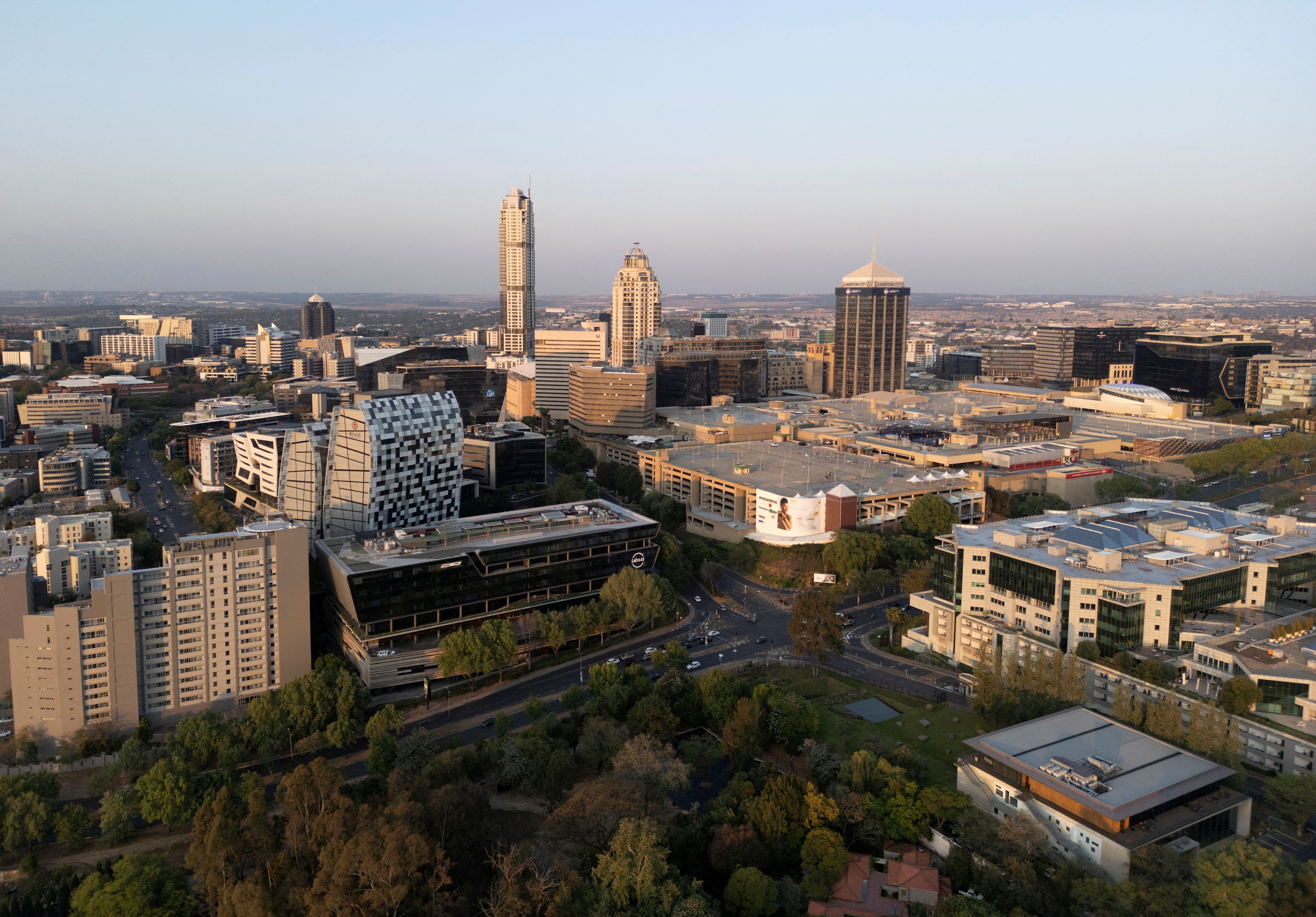
South Africa can take pointers from Germany on its energy transition. Image: REUTERS/Ihsaan Haffejee/File Photo
- In 2024, a record-breaking 585 GW of new renewable capacity was added globally.
- South Africa and Germany are at different stages of the energy transition, so the former can learn from the latter.
- Crucially, the energy transition in South Africa must protect the thousands of workers reliant on it for their livelihoods.
Around the world, power utilities are pursuing full decarbonization as clean technologies become cost-competitive and policy mandates strengthen.
In 2024, a record-breaking 585 GW of new renewable capacity was added globally, marking the fastest annual growth on record, with solar PV alone accounting for about 452 GW or nearly 78% of that expansion.
Yet transforming a system built around large, centralized thermal assets into one with decentralized, variable generation raises key questions over energy mix, grid stability, the speed of the transition, investment, the private market and more.
South Africa's coming transition
In a country like South Africa, where thousands of people work in the fossil-based energy sector, it is even more important to consider carefully how the energy transition is managed.
South African state energy company Eskom is implementing cleaner repowering and repurposing initiatives once coal stations reach end of life. In parallel, the utility is diversifying its technology mix, pursuing over 20GW of cleaner energy sources beyond 2030, and exploring emerging technologies such as small modular reactors and long duration energy storage.
As South Africa’s energy transition picks up pace, the country can learn from the experiences of others.
Germany's lessons
Germany, for example, has made an impressive 45% reduction in electricity related emissions achieved between 2000 and 2025. Fossil fuels now account for less than 50% of German electricity production and wind and solar alone account for almost 40% of the generation, with companies like RWE delivering notable expansion in sustainable generation.
But experience shows that adding renewables to the grid isn’t the end of the story when it comes to the energy transition. Such high penetration of renewables creates a resilience challenge in the grid going forward. Since a lot of baseload capacity is either already removed (such as Germany’s nuclear plants) or is planned to be removed (German coal plants), this creates challenges for those time periods when solar and wind are not enough to supply all the demands.
Such periods of low renewables can last for up to two weeks in a country like Germany and require substantial storage capacities in terms of long duration storage, a sector which is still relatively nascent, or abated gas or hydrogen peakers - power plants that generally run only when there is a high demand. Sensible market design that drives investments into flexible capacity is therefore critical to ensure that not only do we have a decarbonised but also a resilient energy system.
Sequencing matters: some technologies like wind, solar, biomass or hydro are commercially ready and scaleable today; others, such as long-duration storage, advanced geothermal, small modular reactors and green hydrogen still need further development and cost reductions. Governments therefore should be wary of picking winners and losers when it comes to technologies. In well-functioning market economies, policy frameworks should focus more on the degree and pace of decarbonization of the energy systems and then let markets decide what are the best technological options.
The challenge is especially acute in the power sector, where electricity must be supplied reliably 24/7.
The system must keep the lights on while replacing the very assets that provide power. The transition must also remain affordable for consumers and inclusive for workers and communities affected by the shift. The aspect of a just and equitable transition is especially important in a country like South Africa.
How the Forum helps leaders navigate the transition of energy and materials systems
A just transition for South Africa's energy workers
South Africa is heavily dependent on fossil fuels, with over 70% of its electricity supply generated from coal, primarily through the national utility, Eskom. The electricity sector accounts for approximately 42% of the country’s greenhouse gas emissions, making the shift to cleaner energy a critical priority.
Mitigating the socio-economic impact of the transition on the coal and electricity sector, which employs over 100,000 people and provides livelihood to many communities is crucial in a nation with over 33% unemployment and one of the highest levels of inequality in the world. South Africa has also experienced subdued economic growth for over a decade and is prioritizing infrastructure development, such as in electricity and logistics, to drive economic recovery in critical sectors like manufacturing and mining.
Traditionally, planners have weighed factors such as generation costs, how well new resources complement existing production patterns and their alignment with demand profiles. These remain important but should be expanded to capture the full system impact.
First, it is vital to consider system-level costs, not just plant-level generation costs. A technology with low generation costs can still drive up overall costs if it triggers extensive transmission upgrades, curtailment, balancing requirements or the need for additional storage. Smart siting decisions and integrated grid planning can significantly reduce these hidden costs.
Timely planning of grid expansion is also necessary when deploying renewables at scale. This is proving out already to be one of the biggest execution challenges in Germany and UK, where significant amounts of renewables are already in the system.
Technology in the electricity sector
A diverse technology mix is essential for security of supply. Over-reliance on a single least-cost option increases vulnerability. Solar should be paired with wind, hydro, biomass/biogas and flexible resources to ensure stability and to build resilience against climate-driven extreme weather events. Even the sunniest regions benefit from wind generation to cover cloudy periods and nighttime demand. This means that certain technologies which provide diversification potential, should be given additional priority through a secure investment framework. In the long run, this will result in a much more resilient and stable energy system.
Legacy thermal assets, which remain in operation through the transition to keep the lights on and ensure prices remain affordable, should also be upgraded for efficiency and emissions control: installing filters, optimizing operations or using cleaner fuels are all tools that should be invested into if cost effective. Authorities should clearly define what grid stability services they must deliver, what investments are required, how they will be compensated, and set a firm, ambitious yet realistic and cost-effective retirement timeline.
The benefits of a well-managed energy transition are substantial: reduced dependence on imported fuels, accelerated growth of domestic clean-energy industries, and greater consumer control over energy use.
Success will depend not only on choosing the right technologies but also on integrating them into a coherent, resilient and affordable power system for decades to come.
Don't miss any update on this topic
Create a free account and access your personalized content collection with our latest publications and analyses.
License and Republishing
World Economic Forum articles may be republished in accordance with the Creative Commons Attribution-NonCommercial-NoDerivatives 4.0 International Public License, and in accordance with our Terms of Use.
The views expressed in this article are those of the author alone and not the World Economic Forum.
Stay up to date:
Energy Transition


Forum Stories newsletter
Bringing you weekly curated insights and analysis on the global issues that matter.
More on Energy TransitionSee all

Renée van Heusden
April 6, 2026


