3 key pathways to guide sustainable forest management
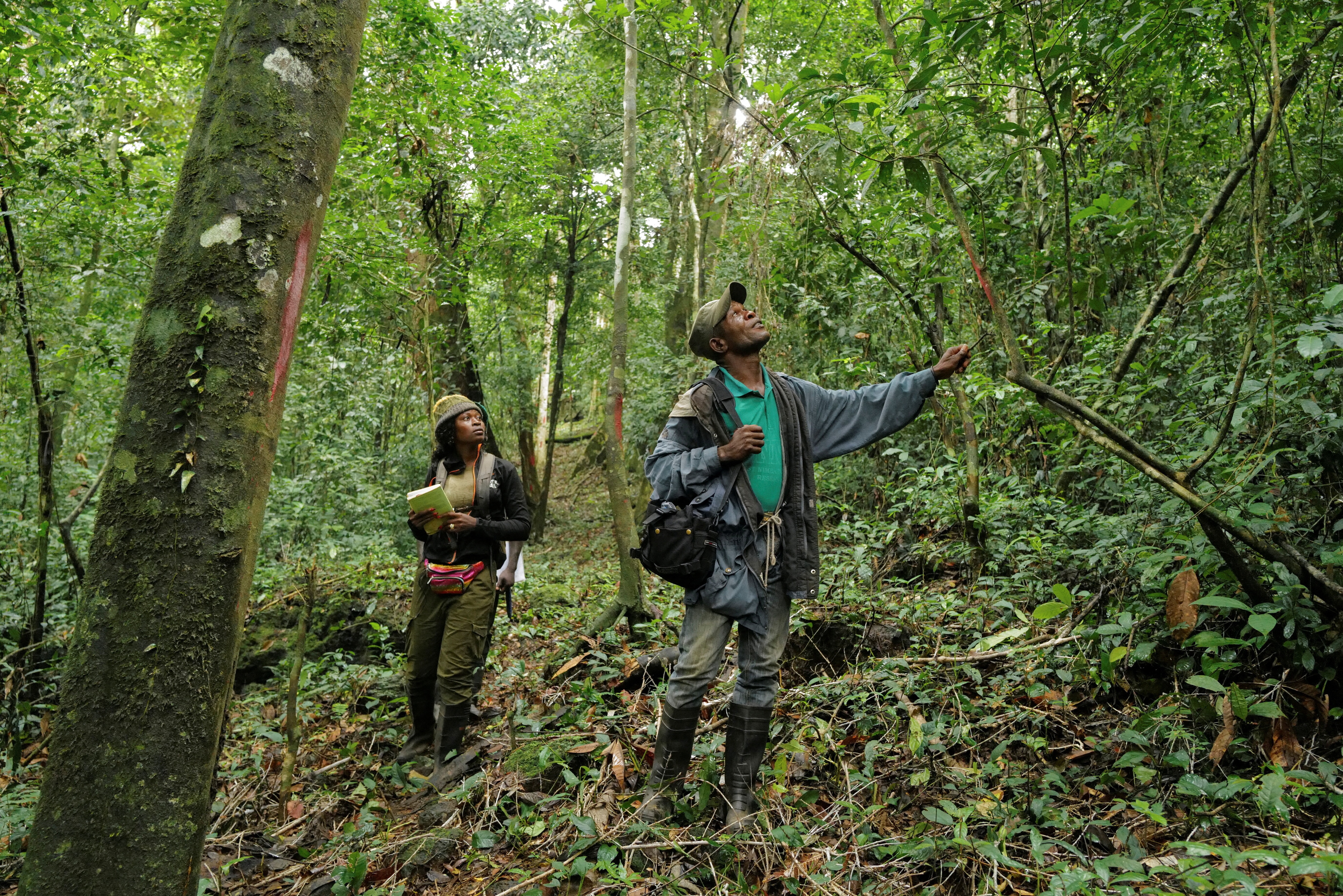
Natural park officials survey the forest in Mount Nimba, Liberia. Image: Reuters/Zohra Bensemra
- Forest management must take into account the economic interests of those who live there and the resources forests contain.
- Empowering local communities is essential to the success of global forest goals.
- The Global Future Council on Forest Economy provides key insights to shape forest stewardship.
Forests are central to climate mitigation, biodiversity conservation and sustainable development. They are also home to millions of people whose lives and livelihoods depend on them. The forest economy is not just about timber or carbon; it is about people’s rights, sustainable livelihoods and resilience.
The Global Future Council on Forest Economy recently met as part of the annual meeting of the World Economic Forum’s Global Future Councils in Dubai, UAE, to reflect on the urgency and complexity of the challenges faced in 21st-century forest management. It is more than a forum for discussion, but a platform for collaboration, innovation and action. By bringing together perspectives from governments, businesses, civil society and local communities, the council ensures that strategies are not only ambitious, but also inclusive, practical and grounded in lived experience.
Here are the most important findings from this year’s meeting:
1. Mapping the megatrends
The council identified several megatrends that will shape the forest economy over the next three decades:
- Sustainable forest management and responsible production
- Climate mitigation through conservation and restoration
- Economic development linked to forest-based livelihoods
- Recognition of Indigenous peoples’ and local communities’ rights
These themes are not just strategic priorities, but they are deeply embedded in the work I do at Proforest across forest landscapes in Ghana, Liberia, Cameroon and other parts of West and Central Africa. They reflect the lived realities of communities and ecosystems navigating the complex balance between development and conservation.
2. Connecting global vision to local action
Through the Africa Sustainable Commodities Initiative (ASCI), 10 countries in the region are working together to promote responsible production of agricultural commodities like palm oil, rubber and shea. These efforts are also driving innovative approaches to forest conservation, management and restoration in production landscapes.
We’ve seen real progress: policy reforms, new government agencies and stronger institutional capacity, all geared towards creating the conditions for public-private collaboration that support both production and protection.
3. Innovation on the ground
There are key examples from our work that illustrate how these megatrends are being translated into action:
- In Edo State, Nigeria, forest governance reforms have led to groundbreaking legislation. Companies investing in palm oil must now integrate smallholder development, protect forest areas within their concessions, and restore degraded forest equivalent to 10-25% of their land holdings. This model links investment directly to restoration.
- In Liberia, working with IDH and the Environmental Protection Agency, we’ve supported participatory land use planning that empowers Indigenous peoples and local communities to assert their rights. With planning complete, communities are choosing to allocate land for conservation and will receive payments to protect standing forests. This creates ownership, respects rights and promotes resilience.
- In Ghana, the Asunafo-Asutifi landscape programme demonstrates the power of collective action. Communities, government and cocoa sourcing companies have agreed on joint efforts to conserve and restore forest landscapes. As part of the national REDD+ programme, funding is flowing to communities to support forest restoration and management. This integrates climate mitigation into forest protection.
These case studies demonstrate that the forest economy is not just about global strategies, but about practical, local solutions that directly impact lives and landscapes. Empowering people to make informed choices that shape the future of their environment is paramount.
When we talk about megatrends shaping forest economy pathways, it is easy to focus on policies and frameworks and forget the individuals on the ground. Yet they are the ones living the reality, navigating trade-offs and driving change every day. Communities’ decisions to conserve, restore, or sustainably manage forests ultimately determine if global goals become tangible outcomes.
Forests are at the heart of global efforts to tackle climate change, conserve biodiversity and promote sustainable development. Yet the solutions cannot be designed in isolation from the realities of those who depend on forests for their livelihoods. Connecting global thinking with local realities is essential to building systems that work for both people and the planet.
How the Forum helps leaders align climate action with nature-positive growth
As I continue my work, I am committed to bringing examples from Africa to the council: stories of innovation, resilience and community leadership. These examples highlight what is possible when rights are respected, partnerships are strengthened, and action is taken on the ground. Because the future of forests depends not only on what we discuss in global forums, but on how we implement those commitments in the landscapes where forests and people coexist.
Don't miss any update on this topic
Create a free account and access your personalized content collection with our latest publications and analyses.
License and Republishing
World Economic Forum articles may be republished in accordance with the Creative Commons Attribution-NonCommercial-NoDerivatives 4.0 International Public License, and in accordance with our Terms of Use.
The views expressed in this article are those of the author alone and not the World Economic Forum.
Stay up to date:
Forests
Related topics:


Forum Stories newsletter
Bringing you weekly curated insights and analysis on the global issues that matter.
More on Nature and BiodiversitySee all

Syeda Hamna Shujat
March 24, 2026