Why Africa’s growing aquaculture sector is worth investing in
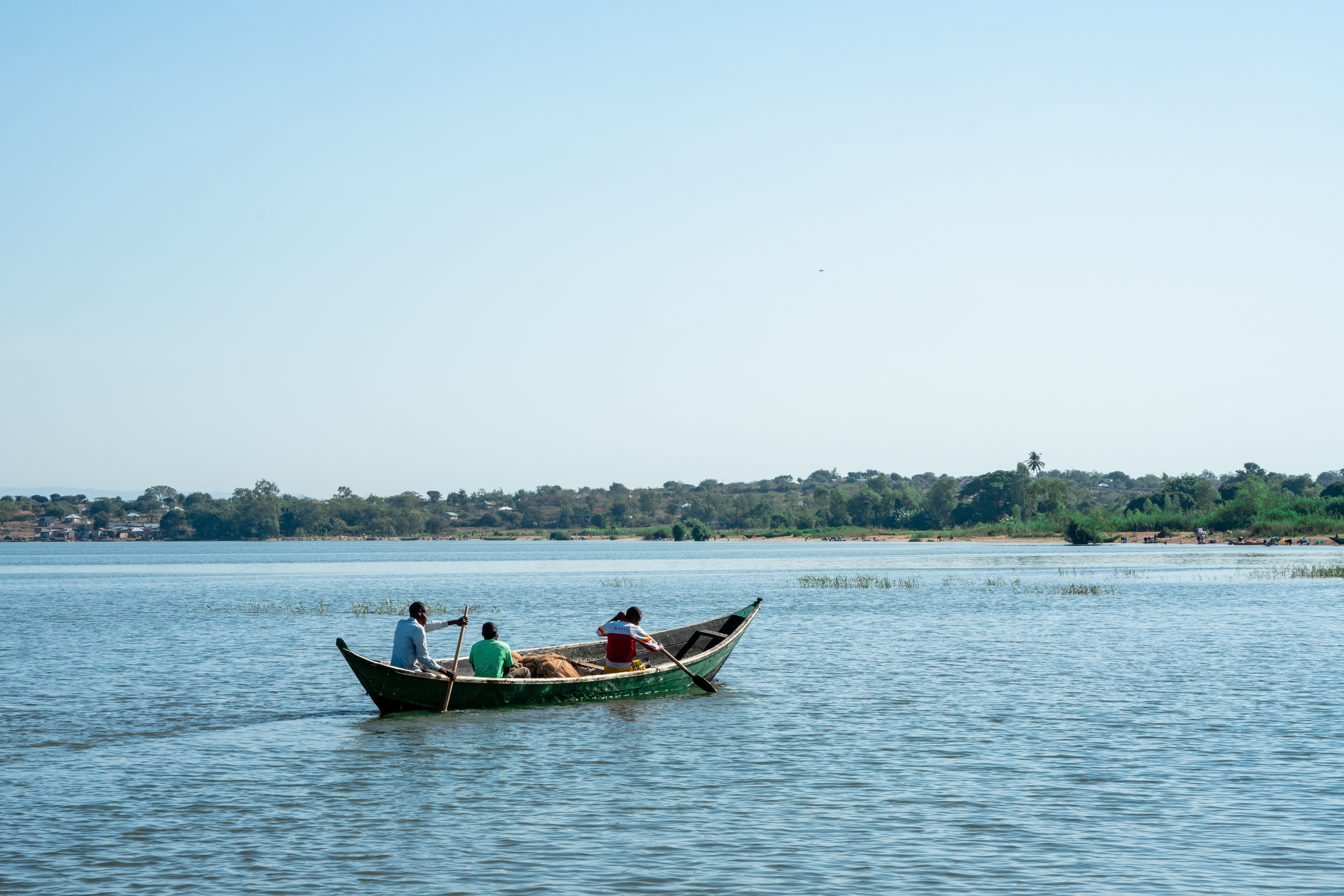
Aquaculture is the fastest growing food sector on the African continent. Image: Rahma/WorldFish
- African aquaculture offers a prime investment opportunity to advance food security and economic growth on the continent.
- Unleashing the full potential of Africa’s blue economy could help the continent replicate the gains achieved in Asia over the past 40 years.
- Achieving this will require filling a $12 billion finance gap, but this figure pales in comparison when it comes to the potential returns.
After a turbulent year for international development, the aid and assistance landscape has shifted, with donors rethinking how, where and why they support sustainable development.
When it comes to Africa, one sector in particular represents an opportunity for development finance to achieve more than benevolence and stand up to new scrutiny over the efficiency and effectiveness of public spending: aquaculture.
Aquaculture is the fastest growing food sector on the continent, offering significant returns on investment for all involved and achieving Africa’s goals for food security, dignified livelihoods and economic growth.
Unleashing the full potential of Africa’s blue economy with today’s technology and knowledge offers an opportunity to replicate the globally significant gains achieved in Asia over the last 40 years, but without any environmental trade-offs this time.
With sufficient funding, Africa can leapfrog towards a sustainable aquatic food sector that delivers increased food production, a competitive market, and a resilient income for millions amid a rapidly changing climate.
Lessons from Asia
African aquaculture is already growing rapidly but continues to underachieve compared to Asia. Production has expanded fivefold in the last 20 years to reach 2.5 million tonnes yet this still only represents less than 3% of the world’s farmed fish.
Meanwhile, Asia produces 90 million tonnes – more than 90% of global production – and continues to grow.
Initiatives like the Asia-Africa BlueTech SuperHighway and Climate-Resilient Aquaculture Systems for Africa are helping to apply lessons from Asia to grow Africa’s blue economy with proven innovations and best practices.
For example, a digital fisheries monitoring system originally developed for and adopted by Timor-Leste in the Pacific is being adapted for small-scale fisheries in Kenya, Mozambique, Malawi and Zanzibar. The system provides real-time, open-source data on catch volume and composition, fishing grounds and other key indicators to help sustainably manage national fisheries.
Kenya, which recently signed a Memorandum of Understanding with WorldFish, is also scaling up the farming of genetically improved tilapia (GIFT), which achieves a 10% increase in growth rate per generation. The strain, improved through selective breeding, delivers more nutritious food and income faster with fewer inputs. Originally developed in Malaysia, GIFT is also being rolled out in Ghana and Nigeria.
And new digital climate information tools are in development for fishers in Zambia and Malawi to provide advance notice that helps them anticipate and plan ahead for heatwaves and other climate extremes.
The missing piece: investment
With this kind of support, the blue economy is ready to come of age across Africa. Cote d’Ivoire aims to establish a Regional Hub for Aquatic Food System Innovations for West Africa in collaboration with WorldFish, while Nigeria has incorporated goals for the blue economy into its national fisheries and aquaculture policy.
Innovations to advance the blue economy are ready to be harnessed, as showcased recently at the World Food Forum, where the UN’s Food and Agriculture Organization honoured those working towards sustainable aquatic food systems, including WorldFish, with Global Technical Recognition.
The missing piece, then, is sustained and targeted investment. The investment gap for African aquaculture is $12 billion, which pales in comparison to the potential returns.
Africa’s blue economy is currently generating an estimated $300 billion and 49 million jobs. This could rise to $405 billion in 2030, and as much as $576 billion by 2063, providing 78 million jobs by 2063.
Fulfilling this potential requires financing models that blend public, private and philanthropic capital, and that reward measurable outcomes in nutrition, resilience and livelihoods.
A thriving blue economy
All the ingredients for a transformative blue revolution in Africa are on the table. The science is ready. Digital connectivity is widespread. Urban demand is rising fast.
With policy enablers, such as the inclusion of aquatic foods in national food, nutrition and climate strategies, social protection programmes, microfinancing and regional market cooperation, investors will enter the sector, seizing opportunities not only for Africa but also for regional and global food and climate security.
A thriving blue economy awaits at Africa’s doorstep and we must seize the moment now.
Don't miss any update on this topic
Create a free account and access your personalized content collection with our latest publications and analyses.
License and Republishing
World Economic Forum articles may be republished in accordance with the Creative Commons Attribution-NonCommercial-NoDerivatives 4.0 International Public License, and in accordance with our Terms of Use.
The views expressed in this article are those of the author alone and not the World Economic Forum.
Stay up to date:
Ocean


Forum Stories newsletter
Bringing you weekly curated insights and analysis on the global issues that matter.
More on Food, Water and Clean AirSee all

Michael Colarossi
April 7, 2026


