COP30 rallies $300m to shield healthcare from climate crisis, and other health stories
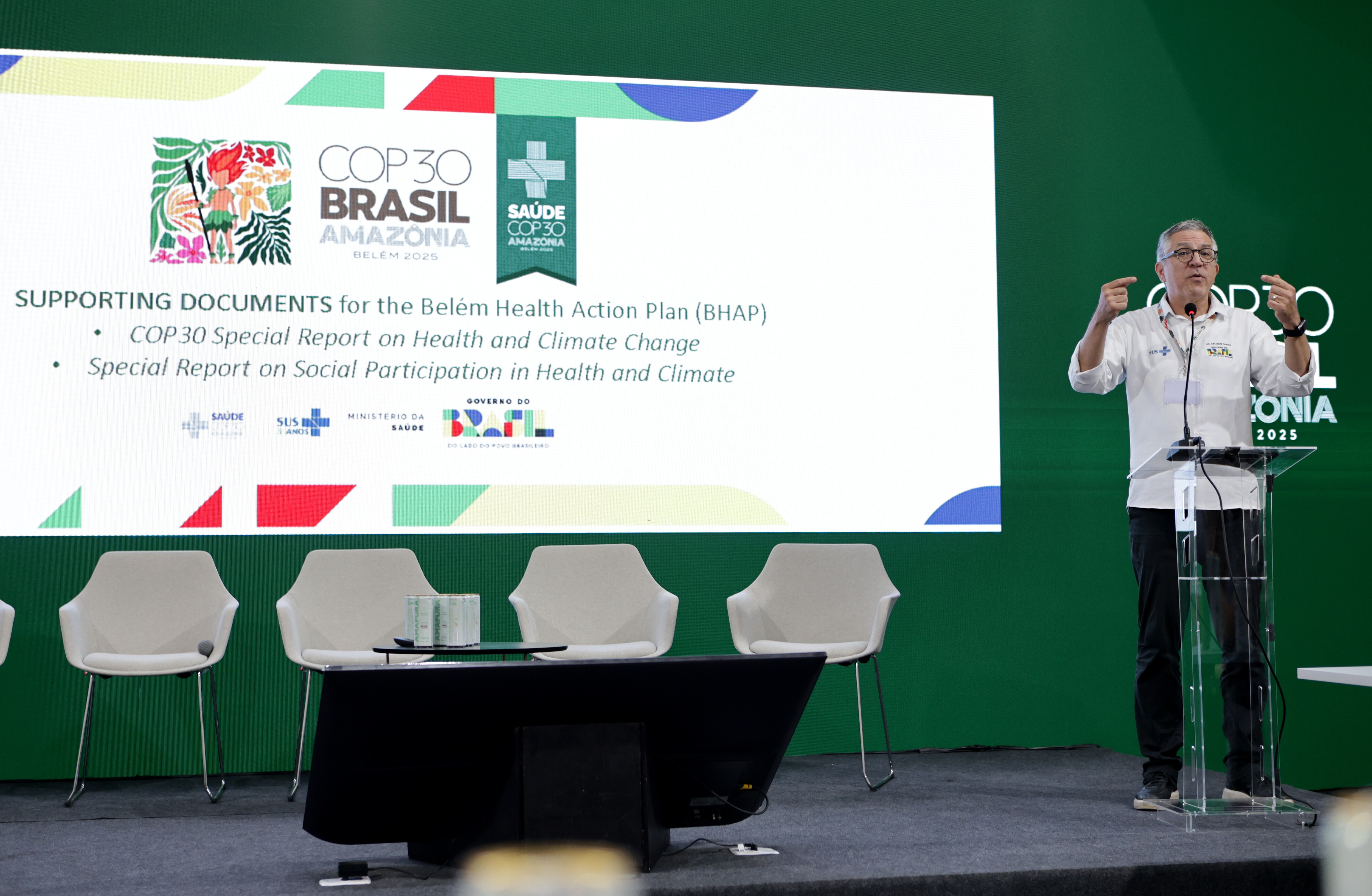
Rising heat ... a new COP30 report finds up to 3.6 billion people live in regions highly vulnerable to climate change. Image: Rafa Pereira/COP30
Shyam Bishen
Head, Centre for Health and Healthcare; Member of the Executive Committee, World Economic Forum- This global round-up brings you health stories from the past fortnight.
- Top health news: Climate resilience for healthcare on the COP30 agenda; Food insecurity rising in 16 hunger hotspots; Yellow fever cases surge in South America.
1. Driving climate-resilience for healthcare at COP30
The climate crisis requires urgent attention from governments, businesses and academics. Over 540,000 people die from extreme heat each year, and one in 12 hospitals worldwide is at risk of climate-related shutdown, according to a new report from the World Health Organization (WHO).
COP30 Special report on health and climate change: delivering the Belém Health Action Plan was released during the United Nations' (UN) 30th Annual Climate Change Conference, COP30.
The report forms part of the Belém Health Action Plan (BHAP) launch at COP30, with a focus on the intersection of implementation and evidence. It calls for immediate and coordinated action to protect health in a rapidly warming world.
The BHAP received 80 endorsements from 30 countries and 50 partners among civil society and IGOs, marking "a milestone in adapting to the health sector as a priority through a roadmap for countries to build resilient health systems and accelerate global cooperation". So far, $300 million has been pledged to the initiative.
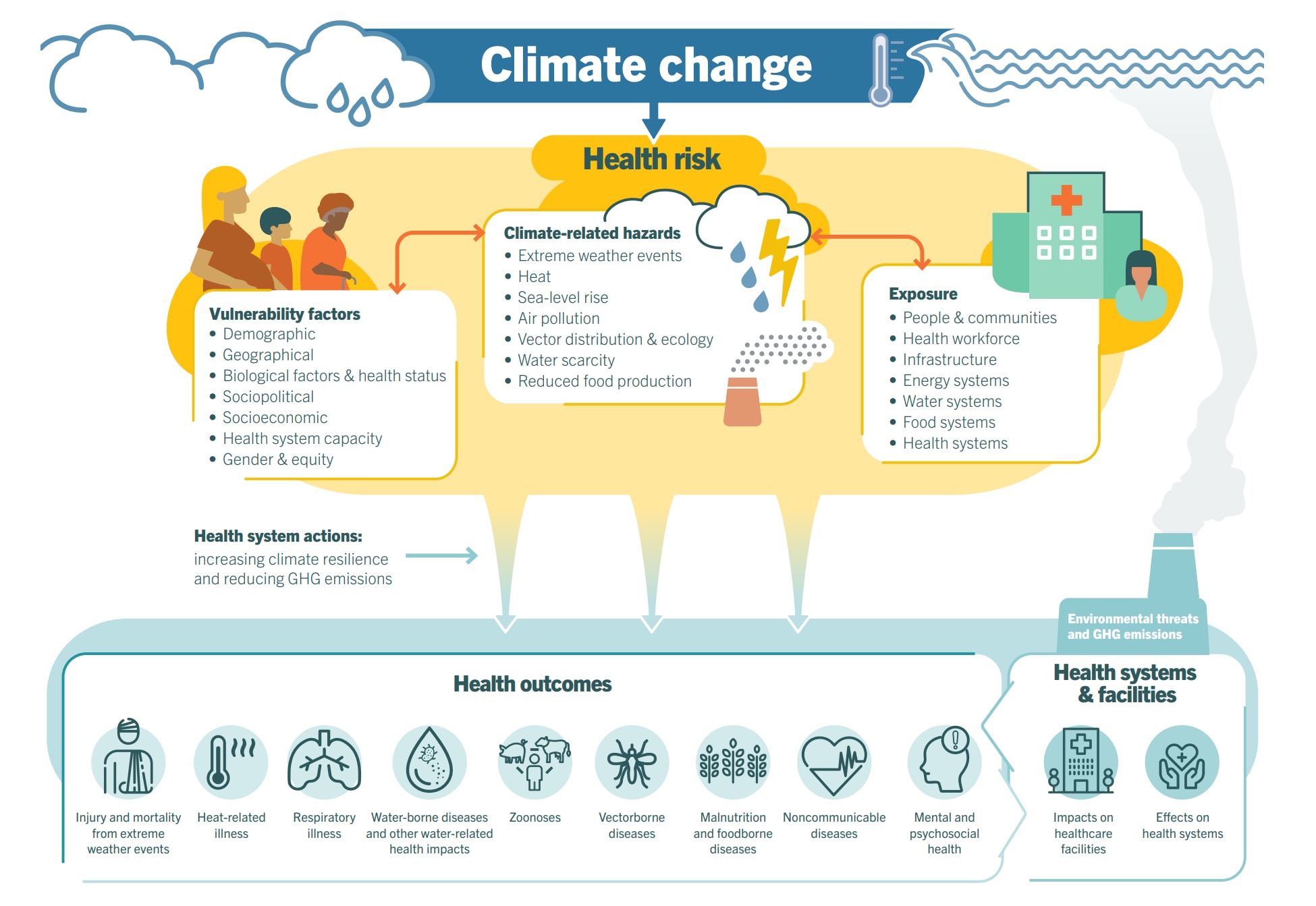
The COP30 Special Report finds that 3.3 to 3.6 billion people already live in regions highly vulnerable to climate change, and hospitals now face a 41% higher chance of damage from extreme weather than in 1990.
Without rapid decarbonization, the number of health facilities at risk could double by mid-century. Despite this, only 54% of national health adaptation plans assess risks to hospitals; even fewer consider income, gender or disability impacts, showing major gaps in current planning.
Recent tragedies show that now is the time to implement policies and actions that address the impacts of climate change on health. The Belém Health Action Plan and this report offer countries the tools they need to turn scientific evidence into concrete action.
”2. Food insecurity rising in 16 hunger hotspots: report
Acute food insecurity is deepening in 16 hunger hotspots around the world, according to the latest Hunger Hotspots report from the Food and Agriculture Organization of the UN (FAO) and the UN World Food Programme (WFP).
In most of these contexts, armed conflict and violence, economic collapse, climate extremes and an unprecedented decline in humanitarian funding are converging to drive starvation.
The report highlights six countries and territories of highest concern – Haiti, Mali, Palestine, south Sudan, Sudan and Yemen – where populations face an imminent risk of catastrophic hunger (IPC/CH Phase 5).
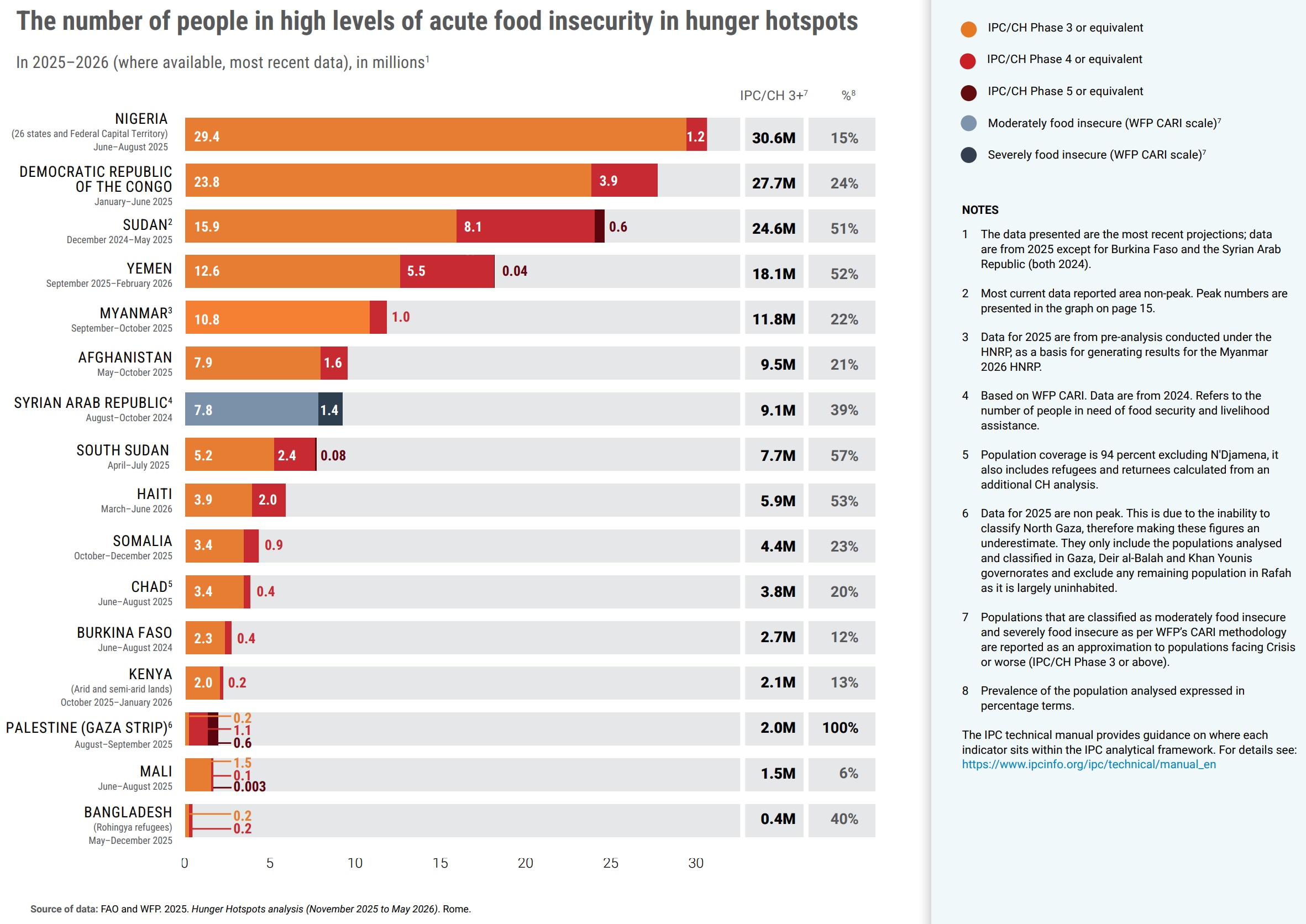
Humanitarian funding is falling short of the scale of the problem. As of the end of October 2025, only $10.5 billion out of the $29 billion required to assist people most at risk around the world had been received, as the chart below illustrates.
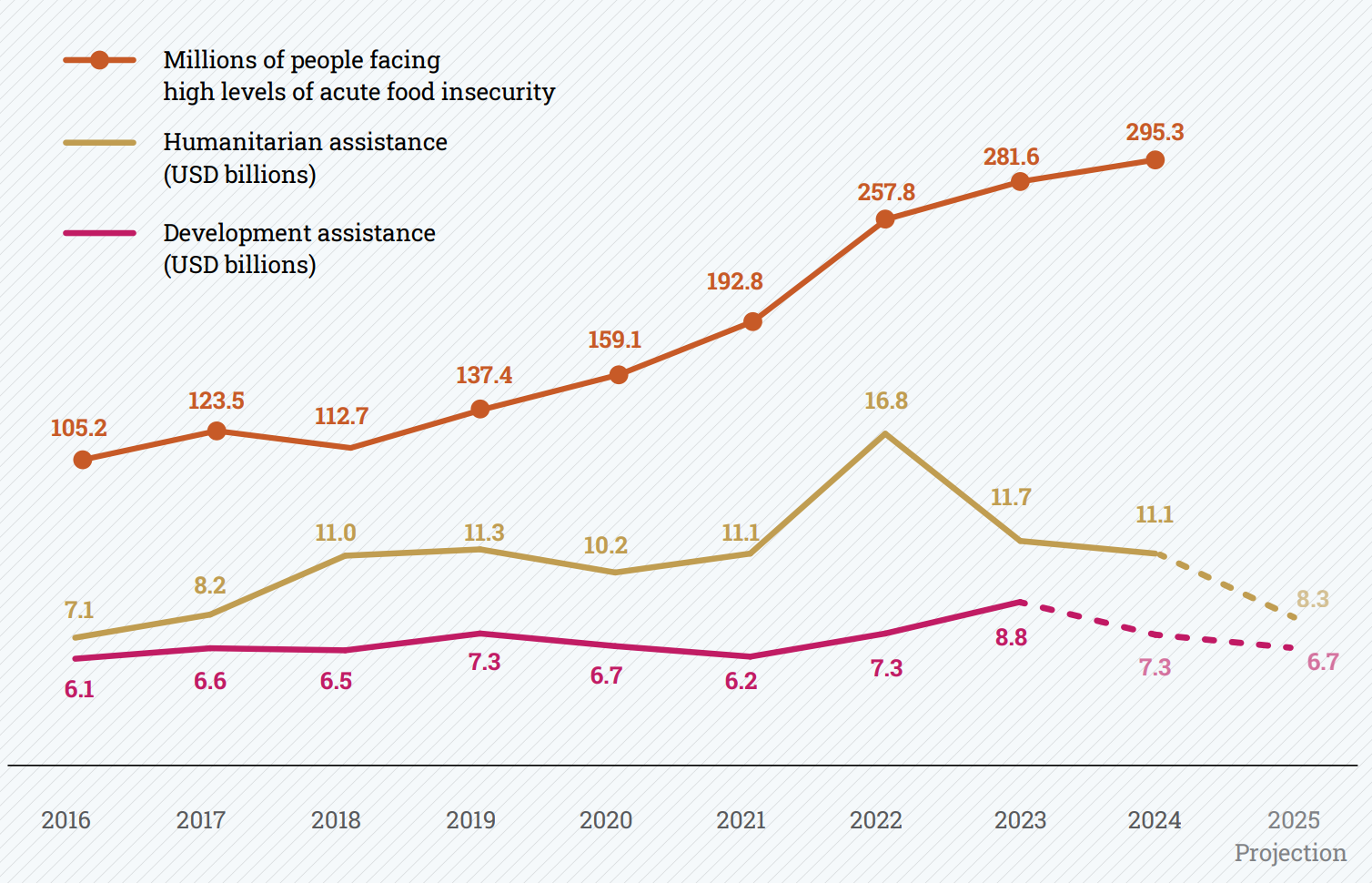
The report argues that famine is "almost always predictable and preventable". The FAO and WFP call on the international community to refocus its attention on tackling food insecurity and scaling up its investments into long-term resilience.
Famine prevention is not just a moral duty - it is a smart investment in long-term peace and stability. Peace is a prerequisite for food security and the right to food is a basic human right.
”3. News in brief: Health stories from around the world
The health threat of fossil fuels: At least 2 billion people globally live within 5km of operating fossil fuel infrastructure, according to a new report from Amnesty International and Better Planet Laboratory. The study estimates that 520 million children are among those exposed to pollution and safety risks, with nearly half a billion people living within just 1km of a site. Indigenous Peoples are disproportionately affected, with over 16% of global infrastructure located on their territories.
Yellow fever cases surge in South America: Rising global temperatures are fuelling the spread of mosquito-borne infectious diseases, with over 356 cases of yellow fever in South America and 152 deaths so far this year, according to Pan American Health Organization figures. Excluding the major spike in 2017 and 2018, this is the largest number of yellow fever cases for any year on the continent since 1995.
Chikungunya virus spread: This virus has surged across Cuba, reportedly affecting nearly one-third of the population, with imported cases now reaching Hong Kong. Like yellow fever, it is spread by mosquitoes and causes severe joint pain that can linger for months, leading to long-term disability.
Cysteine-rich diet may promote regeneration of the intestinal lining: A diet rich in the amino acid cysteine could provide rejuvenating effects in the small intestine, a study from MIT suggests. The amino acid turns on an immune signalling pathway that helps stem cells to regrow intestinal tissue, which could help to heal tissue damage from radiation or chemotherapy treatment. Foods high in cysteine include meat, poultry, fish, eggs, and nuts and seeds, among others.
NHS expands use of AI: The UK's National Health Service is trialling the use of AI to find and fix bone fractures and dislocations at the Northern Lincolnshire and Goole NHS Foundation Trust, as part of a two-year pilot scheme in England. Abdul Khan, a consultant in emergency medicine, said: "Making use of AI technology to assist in identifying potential issues has been shown to help to meet demand across northern Europe, and we are excited to see if it has a similar impact here," the BBC reports.
4. More on health from Forum Stories
World Antimicrobial Resistance (AMR) Awareness Week 2025: This year's theme for AMR week, from 18-24 November, "Act Now: Protect Our Present, Secure Our Future", underscores the need to take bold and united action. Find out why AMR is such a problem and how we can turn the tide on it with this handy explainer.
Workforce health across the value chain: Global supply chains are only as resilient as the people who operate them, yet access to healthcare, climate volatility and fragmented governance can put that resilience at risk. This is not only a people risk, but a business one. Heat stress alone costs $100 billion annually, a figure projected to quintuple by 2050. A new World Economic Forum report, Workforce Health Across the Value Chain: Organizational Insights to Mitigate Risk and Create Sustainable Growth, shows that current resilience strategies for worker health are often inadequate. By scaling coordinated investments and collaboration across companies, industries, governments and civil society, businesses can strengthen supply chains while advancing public health.
The impacts of extreme weather on workers in South-East Asia: Extreme heat proves a significant challenge for this cohort of workers, but there are effective, low-cost ways to lessen the impacts of heat stress. The video below explores four of them:
License and Republishing
World Economic Forum articles may be republished in accordance with the Creative Commons Attribution-NonCommercial-NoDerivatives 4.0 International Public License, and in accordance with our Terms of Use.
The views expressed in this article are those of the author alone and not the World Economic Forum.

Forum Stories newsletter
Bringing you weekly curated insights and analysis on the global issues that matter.
More on Health and Healthcare SystemsSee all

Shyam Bishen
April 9, 2026


