How Greece is transforming its power system with innovation and new technologies
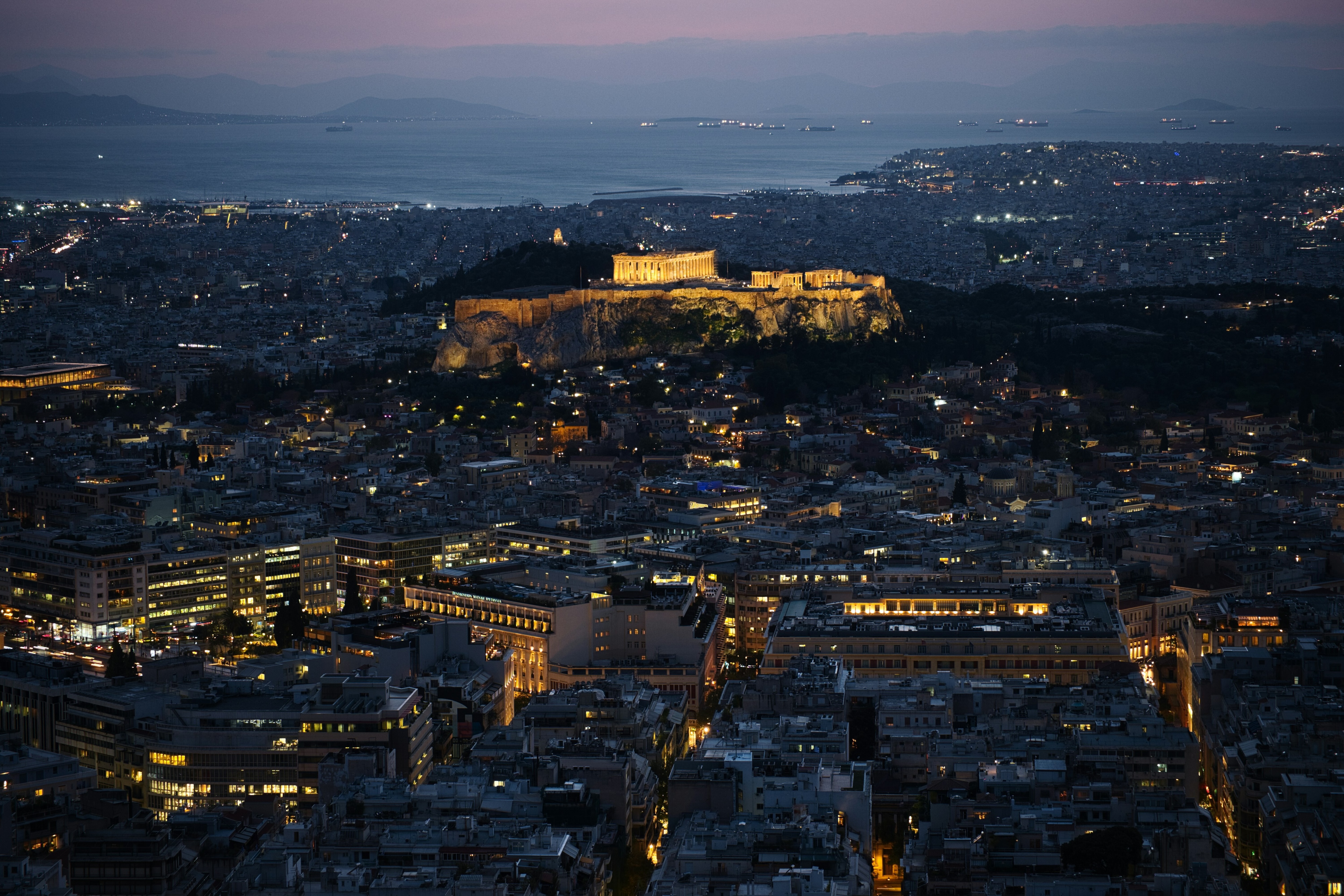
Greece’s successful shift from fossil fuels offers a strategic, replicable model for other nations. Image: Unsplash/Ivan Karpov
- Greece is converting its major lignite coal operations into a large-scale clean energy and technology innovation hub.
- This ambitious national energy transition prioritizes economic viability and climate goals while maintaining social equity for workers.
- Greece’s shift from fossil fuels offers a strategic, replicable model for other nations pursuing a just transition.
For decades, Greece relied heavily on lignite, a low-grade coal, to power homes, heat cities in the North, and fuel the economy. As the environmental cost of fossil fuels and the feasibility of alternatives became clear, Greece embarked on a decisive transformation towards sustainable energy. The remarkable story of this shift offers lessons on how a fossil-fuel past can turn to a clean energy present and future.
The starting point: Lignite, costs and climate commitments
Lignite has long been central to Greece’s power mix. Accounting for more than 60% of electricity consumption in 2010, it was the backbone of the national power system. But this came at a cost.
Lignite is the least efficient fossil fuel, as it has the lowest energy content and the highest carbon intensity. The EU Emissions Trading System, the European tool that puts a cost on carbon emissions, made lignite generation uneconomic. On top of that, ageing plants required significant investment.
At the same time, renewables — specifically solar PV and wind — became cost competitive, thanks to technological advancement and economies of scale.
These were the drivers behind Greece’s latest National Energy and Climate Plan, which sets a target to completely phase out lignite generation by 2028. PPC — the country’s largest utility — has accelerated the timeline to 2026, driven by economic considerations. The challenge, however, is not only technological but also deeply social.
The challenges: A social and economic transition
The town of Kozani and its vicinity had become synonymous with lignite production. For decades, the region’s economy and identity revolved around mining and power generation. Entire value chains, local businesses, and public services depended on the sector.
Phasing out lignite created multiple challenges: thousands of jobs were tied to coal, district heating relied on heat from the plants, and the region lacked alternative industries of comparable scale. For residents, lignite was more than just a fuel — it was a way of life. A just transition requires not only new power sources but also new opportunities for people.
The solution: Kozani’s transition into a clean energy and technology hub
The heart of Greece’s energy transition lies in Κozani and its wider region, which is now becoming a symbol of reinvention. PPC is leading this transformation and reshaping both the physical landscape and the region’s economic future in a few ways.
Repurposing former lignite sites
PPC is converting vast lignite mine areas into one of Europe’s largest renewable energy clusters. More than 2GW of solar parks are being developed on rehabilitated land around Kozani, coupled with battery storage, pump hydro and gas plants to ensure flexibility in the power system.
Investing in infrastructure and technology
Beyond renewables, PPC is investing in infrastructure that supports a broader clean energy ecosystem: advanced grid connections and a state-of-the-art data center on the grounds of the former Agios Dimitrios power station. With an initial capacity of 300MW and its own dedicated power supply, it will ensure that consumers are not impacted by increased electricity demand. It will also boost not only regional growth but also EU competitiveness and digital sovereignty.
Creating new economic opportunities
The PPC investment plan generates thousands of jobs both during construction and in the longer term, for operations and maintenance. PPC is also supporting retraining initiatives so that former lignite workers can move into new roles.
Ensuring an inclusive transition
The project introduces innovative mechanisms for local participation and shared value creation. PPC has announced a €5 million social bond, targeting Kozani residents and guaranteed by the company, providing an 8% fixed return, allowing the community to directly invest in — and share the benefits of — the region’s clean energy transformation. District heating systems are also being modernized with clean alternatives, guaranteeing that essential services remain affordable.
Delivering environmental benefits
Repurposing former lignite sites into renewable energy hubs brings clear environmental gains. The projects are expected to avoid millions of tons of CO₂ emissions and contribute to Greece’s decarbonization targets. Additionally, PPC is actively engaged in restoring 8,000 hectares of land, transforming degraded areas into sustainable spaces that support biodiversity and community use.
Lessons from Greece’s experience
Greece’s story illustrates that moving beyond coal is not just about replacing one fuel with another. PPC’s transformation is not merely technological or operational. It is strategic and deeply cultural. Key lessons include:
- Transitioning from fossil fuels requires a comprehensive redesign of business models and strategic direction. PPC is moving from a model where lignite had a prominent role to one built around renewables, digital services and flexible infrastructure. This was a fundamental reshaping of corporate strategy.
- Innovation and technology are key enablers unlocking new sources of growth and value. Repurposing mines for solar parks, deploying large-scale storage and investing in data centres show how technology can transform legacy assets into new growth engines.
- A deep internal transformation is essential to develop new business lines and build the necessary capabilities. For 75 years, PPC’s mission has been to build essential electricity infrastructure to support the functioning and development of Greek society. Today, the same legacy of engineering excellence is applied to new frontiers of critical infrastructure, clean energy development and digital connectivity.
- Technological advancement and external market conditions must support enterprise goals through clear market signals. Mechanisms such as the EU Emissions Trading System ensure that the environmental cost of carbon is properly reflected in the market. Combined with competitive renewable technologies, they create conditions for sustainable investment.
- A supportive regulatory environment is critical. Streamlined licensing and effective incentives for emerging technologies enables a radical transformation.
In Kozani, former coal lands are being reborn as renewable clusters, digital hubs, and centres of innovation. The journey is ongoing, but the message is clear: With innovation and investment, Greece is demonstrating how energy transition can unlock growth while ensuring prosperity and sustainability for generations to come.
This case study is affiliated with the World Economic Forum’s Responsible Renewables Infrastructure Initiative, which aims to accelerate the deployment of renewables infrastructure by mainstreaming responsible deployment practices to benefit communities and nature: PPC Group: From lignite to innovation — Kozani’s just transition to a clean energy and technology hub.
For more information on the World Economic Forum’s work on advancing the coal to clean transition across the world, consult the Coal to Clean Initiative webpage: https://initiatives.weforum.org/coal-to-clean/home.
Don't miss any update on this topic
Create a free account and access your personalized content collection with our latest publications and analyses.
License and Republishing
World Economic Forum articles may be republished in accordance with the Creative Commons Attribution-NonCommercial-NoDerivatives 4.0 International Public License, and in accordance with our Terms of Use.
The views expressed in this article are those of the author alone and not the World Economic Forum.
Stay up to date:
Greece


Forum Stories newsletter
Bringing you weekly curated insights and analysis on the global issues that matter.