How wireless power transmission can build a resilient society
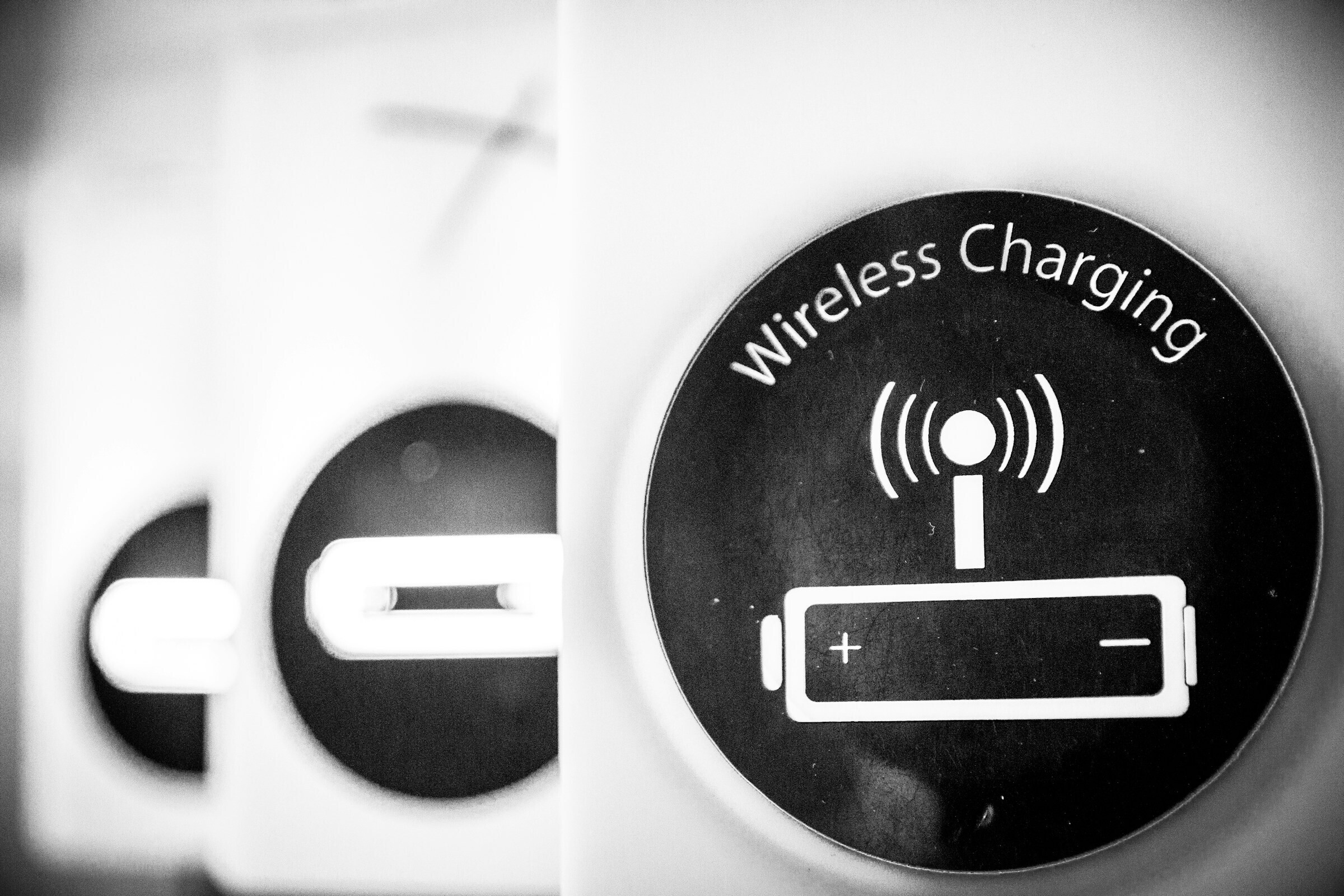
Wireless power technologies are transforming energy delivery. Image: Photo by Limor Zellermayer on Unsplash
- Wireless power technologies using induction, microwaves or lasers reduce infrastructure and maintenance needs while enabling flexible, automated energy delivery.
- Government frameworks introduced since 2022 have opened specific frequency bands for industrial wireless power use.
- Recent breakthroughs indicate progress toward robust, weather-resistant systems that could power drones, aid disaster zones or even harness energy from space.
Wireless power transmission technologies are reshaping how societies supply and manage energy. From charging personal devices to supplying homes, offices and industrial facilities, electricity has traditionally been delivered through wired connections.
While this system has long supported economic and social activity, it relies on significant labour and complex infrastructure: users must manually connect devices, wiring must be installed and updated, and ageing equipment requires continuous maintenance.
Wireless charging, which utilises electromagnetic induction, microwaves or laser light, presents an alternative model. By transmitting energy without direct physical connections, it offers a means to reduce operational burdens while enabling more flexible and adaptive power supply systems.
The potential applications are wide-ranging. Beyond everyday electronics, wireless power can support industrial robots, automated transport systems and even electric vehicles (EVs). In the EV sector, where charging infrastructure remains a critical challenge, wireless power has drawn particular interest.
Progress amid workforce challenges
In 2024, a wireless charging highway was demonstrated in Indiana, United States, allowing vehicles to recharge automatically while in motion. Such innovations may facilitate EV adoption by reducing dependence on stationary charging stations and improving user convenience.
Japan’s domestic context highlights why these developments are significant. The country faces persistent labour shortages linked to demographic change. As of January 2025, 53.4% of companies reported shortages of full-time employees and 30.6% of non-regular employees.
The number of trained “linemen” responsible for installing and maintaining power networks has also declined to around 60% of peak levels. This has intensified the need for solutions that reduce the human labour in maintaining essential infrastructure.
How the Forum helps leaders connect frontier technologies to real-world challenges
Regulatory revisions accelerate adoption
In response, interest has grown around spatial wireless power transfer systems used in industrial environments in Japan. These systems can transmit power wirelessly across distances of up to 10 meters.
In 2022, the Ministry of Internal Affairs and Communications established regulatory frameworks for the 920 megahertz (MHz), 2.4 gigahertz (GHz) and 5.7 GHz frequency bands, enabling indoor deployment under defined conditions.
As a result, adoption has expanded in settings where wiring is difficult or costly, such as factories, logistics hubs and care facilities. Potential applications now include sensors, automated conveyors and remote monitoring devices, with growing use in factory automation and logistics.
Expanding wireless power in Japan
Companies such as Aeterlink have demonstrated the integration of wireless power into the sensors of robotic arms in manufacturing and building management systems. The Ministry estimates that the domestic wireless power market could grow to JPY 168.5 billion by 2030 and JPY 841.8 billion by 2040.
Further advancements are emerging. Discussions are underway to expand installation flexibility and the expansion of its application for small-power 920 MHz systems.
At the same time, innovation in the 5.7 GHz band is being led by start-ups such as Space Power Technologies, which has developed a microwave-based wireless power system, “Power Gate,” capable of transmitting 32 watts across distances up to two metres.
At the 2025 Osaka–Kansai Expo, the company demonstrated the operation of devices from one metre away without any wired or battery-based power sources.
Towards long-distance, weather-resilient systems
Research is also progressing towards long-distance wireless power systems less affected by environmental conditions.
In September 2025, the Japanese telecommunications company Nippon Telegraph and Telephone (NTT) and Mitsubishi Heavy Industries announced a milestone in laser-based power transmission, achieving the world’s highest transmission efficiency.
By stabilizing laser intensity under fluctuating airflow and temperature conditions, they successfully transmitted energy across one kilometre at 15% efficiency. Future applications could include supplying power to drones, providing emergency power during disasters and ultimately transmitting energy generated in space to the Earth’s surface.
A foundation for sustainability and resilience
The evolution of wireless power offers new approaches to several structural challenges, including labour shortages, ageing infrastructure and increasing climate-related risks. The ability to deliver electricity flexibly, without the need for extensive new wiring, can support more efficient industrial operations and enhance energy resilience in times of crisis.
As wireless power technologies continue to advance, they hold the potential to contribute to a more sustainable, adaptive and resilient society.
Don't miss any update on this topic
Create a free account and access your personalized content collection with our latest publications and analyses.
License and Republishing
World Economic Forum articles may be republished in accordance with the Creative Commons Attribution-NonCommercial-NoDerivatives 4.0 International Public License, and in accordance with our Terms of Use.
The views expressed in this article are those of the author alone and not the World Economic Forum.
Stay up to date:
Renewable Energy


Forum Stories newsletter
Bringing you weekly curated insights and analysis on the global issues that matter.
More on Emerging TechnologiesSee all

Markus Kirchschlager and Benedikt Gieger
March 20, 2026


