How 3D-printed prostheses are bringing mobility and hope to conflict zones
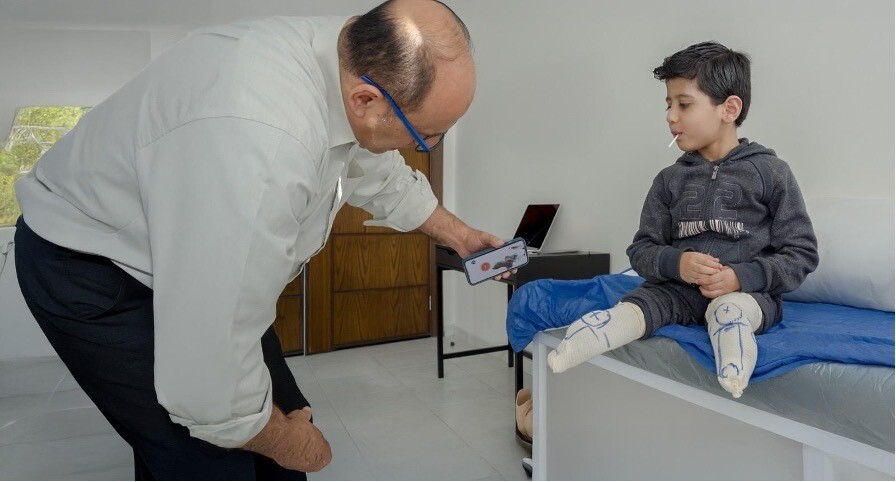
Using a smartphone to take an image for a 3D-printed prostheses. Image: 3DP4ME/Omar Al-Khalidi
- 3D-printing allows for faster, lighter, more affordable and highly customized prosthetic production.
- This technology can help people regain mobility and hope when traditional rehabilitation services are limited, such as in conflict zones.
- When combined with holistic rehabilitation, 3D-printed prostheses can help patients regain strength, confidence and independence.
More than 123,000 people have been injured since the escalation of the conflict in Gaza in October 2023, including more than 4,000 people who have lost limbs, according to international charity Humanity & Inclusion. Around 6,000 prosthetic devices are now needed in the area, many for children.
Gaza now has the highest number of child amputees per capita in the world. When children are fitted with a prosthesis, they need ongoing support to maintain and change their prosthetics as they grow. However, access to this type of specialized care is almost impossible in a conflict zone like Gaza.
Just across the border, in Syria, the need for prosthetics is also immense. According to a recent report by Humanity & Inclusion, there have been around 86,000 amputations in Syria since the start of the war there in 2011. Thousands of these amputees have no access to prosthetic limbs or ongoing rehabilitation due to insufficient services, lack of funding and destruction of infrastructure. The constant threat of unexploded ordnance (UXO) only adds to the urgency in Syria. UXOs continue to cause hundreds of civilian deaths, even with a gradual decline in incidents recently.
For many people living in regions that are scarred by ongoing conflict, getting the chance to walk again and reclaim independence following an injury remains out of reach due to a lack of access to essential rehabilitation services. But 3D-printed prostheses could bring back mobility and hope to those in need. This technology can bridge critical healthcare gaps because scanning and design can take place remotely, meaning distance is no longer a barrier to healthcare.
Advanced manufacturing in healthcare
By transforming the way prostheses are designed and produced, 3D printing makes them more accessible, affordable and customizable than ever before. Instead of relying on lengthy, labour-intensive fabrication, a digital scan of a patient’s limb can be captured with a smartphone and converted into a precise design ready for printing.
“One of the biggest wins with custom 3D-printed prosthetics is speed,” says Brent Wright, Certified Prosthetist and Orthotist at LifeNabled, another non-profit that provides innovative prosthetic solutions to underserved communities. “What once took weeks of moulding and adjustment can now be done in days. That means less downtime, less discomfort and faster return to mobility.”
This process not only reduces costs and production time, it also allows for a tailored fit that improves comfort and functionality. With local manufacturing and rapid adjustments, 3D printing is creating new possibilities for patients in conflict zones, low-resource settings and remote areas where traditional prosthetic services are limited.
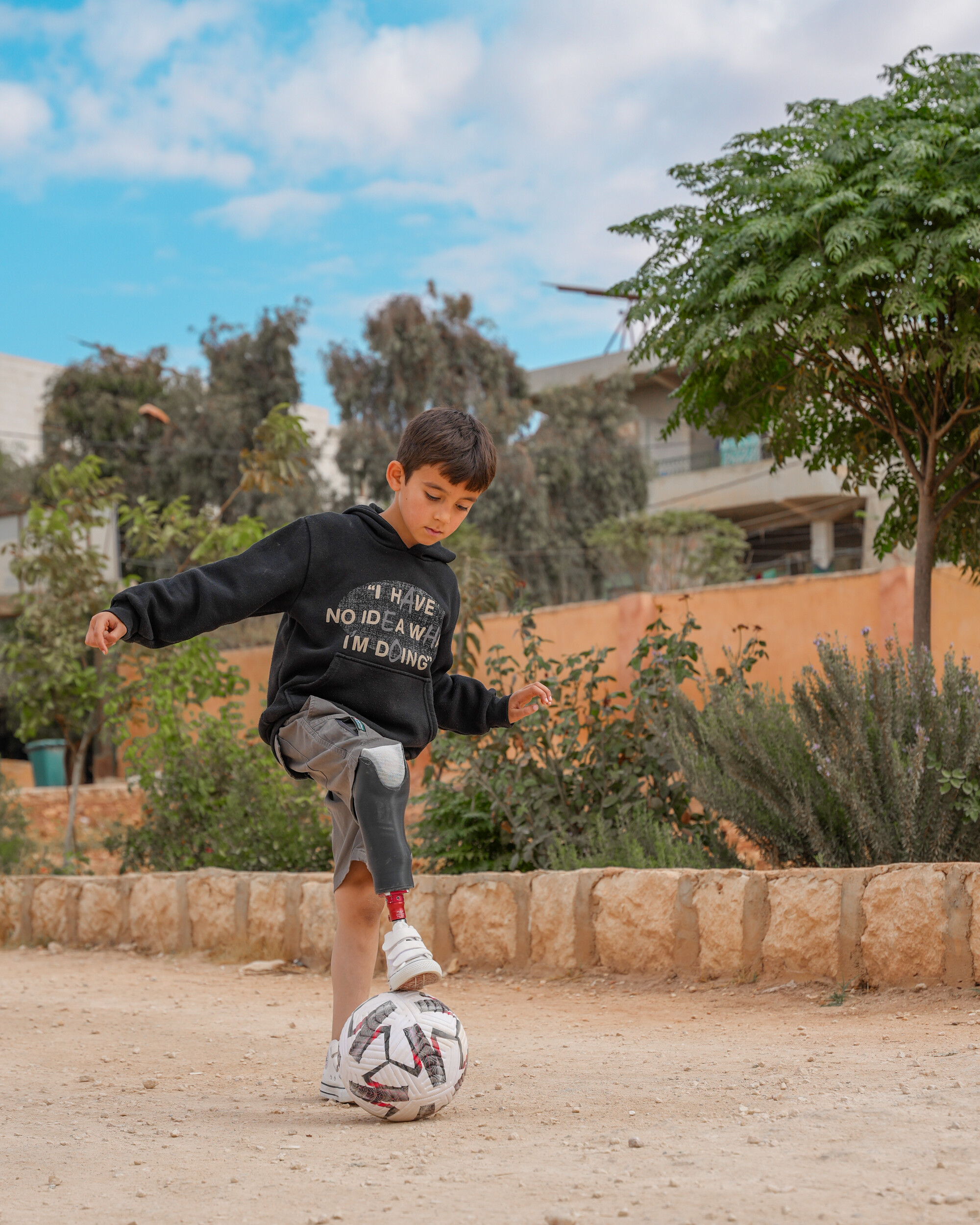
In Syria, for example, our non-profit 3DP4ME has fitted 13 children with 3D-printed prostheses after most lost limbs to mine explosions and missile attacks. Another successful pilot in Jordan has also provided children with below-the-knee prostheses, bringing the total number of patients 3DP4ME has fitted with 3D-printed prostheses to 25 so far. As these children took their first steps with their new prostheses, they experienced renewed mobility and hope for the future.
Finding funding for 3D-printed prostheses
Through a partnership with exchange Common Good Marketplace (CGM), 3DP4ME is now pioneering a new funding model for scaling access to prosthetics and hearing aids by linking every verified outcome to a tradeable "impact asset". These outcomes will be listed as "verified impact assets" on the exchange, enabling funders to finance proven results rather than intentions.
The goal is to create a clear evidence base that helps organizations and funders measure and show results. This means collecting data from beneficiaries and tracking changes in key indicators using CGM tools, such as surveys. Transparency is important, so these impact reports will be standardized with shared terms and clear indicators.
This use of innovative finance could unlock new capital flows for inclusive, evidence-based health innovation around the world. From personalized prosthetic devices that enhance mobility and independence, to locally produced solutions that meet critical needs, innovations such as 3D printing, robotics and artificial intelligence could help to shape a healthcare future that is more accessible and equitable.
Transforming prosthetic care
Regaining mobility with a prosthesis goes far beyond simply fitting a new one – it requires holistic care to ensure lasting success. Physiotherapy helps patients strengthen muscles, improve balance and learn to walk or use their prostheses with confidence, while ongoing adjustments support comfort and function. This maximizes the benefits of 3D-printed protheses and ensures these devices are helping patients get the most impact.
Equally important is psychosocial support, which addresses the emotional and mental challenges of limb loss by helping individuals rebuild self-esteem, cope with trauma and reintegrate into their families and communities.
When provided together, these services can transform prosthetic care from a medical procedure into a pathway to full recovery, independence and a renewed sense of purpose. This could help people living in conflict-affected regions with severely limited healthcare to regain their independence through movement, fostering renewed hope for the future.
Don't miss any update on this topic
Create a free account and access your personalized content collection with our latest publications and analyses.
License and Republishing
World Economic Forum articles may be republished in accordance with the Creative Commons Attribution-NonCommercial-NoDerivatives 4.0 International Public License, and in accordance with our Terms of Use.
The views expressed in this article are those of the author alone and not the World Economic Forum.
Stay up to date:
3D Printing
Related topics:


Forum Stories newsletter
Bringing you weekly curated insights and analysis on the global issues that matter.
More on Health and Healthcare SystemsSee all

International Women’s Day 2026: Leaders’ call to correct bias in women’s health research and funding
Dhwani Nagpal
March 8, 2026


