How collective action is rewiring philanthropic and community partnerships

Collective action is reshaping Canadian philanthropy Image: Unsplash/Alexandros Giannakakis
- Philanthropy must shift from transactional funding to trust-based, collaborative relationships.
- Current funding practices are destabilizing organizations and limiting impact.
- A collective movement is emerging to redesign how capital flows for community well-being.
Non-profit and philanthropic strategies are at a crossroads. Across Canada, the approximately 250,000 non-profit organizations and charities bolster gross domestic product, employ millions and activate civil society and volunteers. Amid rising costs, deepening inequity and growing community needs, many are having to do more with less.
Simultaneously, many funders want leverage to take on the risks that other funding sources cannot and to create critical priorities.
At this intersection loom questions. Who benefits from things staying as they are? How might non-profits and funders align for transformation? What actions must each group take?
Against this backdrop, collective action is helping to shift more Canadian philanthropy from siloed, funder-centred approaches to collective, movement-serving partnerships. Last month, while leaders gathered at Market-Minded, Mission-Driven, a World Economic Forum convening on the future of capital flows, more than 100 organizations in Canada came together and issued a public invitation.
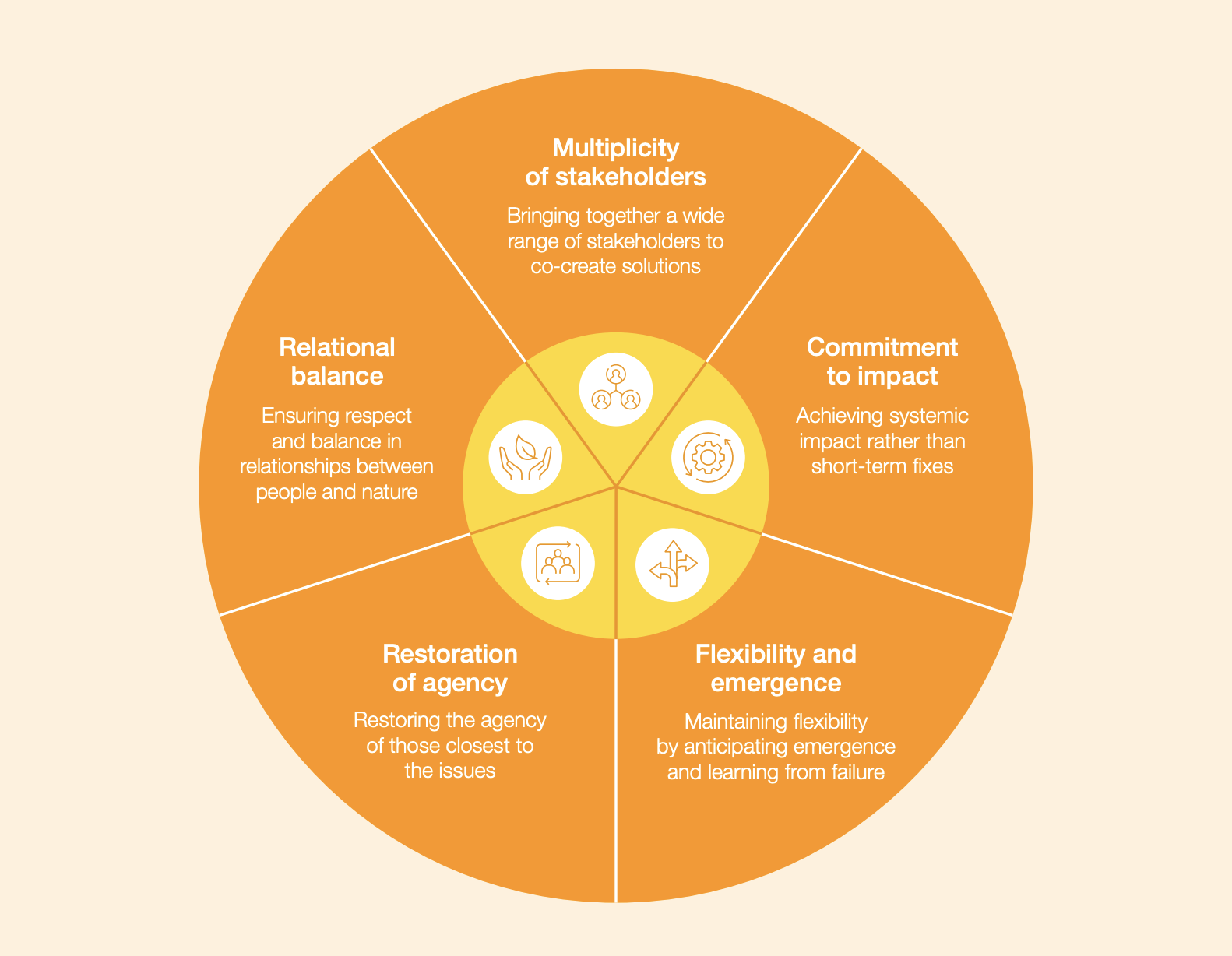
“There is fatigue and fear amongst colleagues in the community right now,” said Rishia Burke, a signatory and executive director of Community Development Halton, explaining that many think questioning the status quo may risk whatever they have cobbled together to make ends meet.
“Yet, I am buoyed by the voice and action that is emerging from the community. Social innovation is a collective shift, from isolated fixes to social responsibility for the necessary changes.
“A commitment to relational activism – steeped in trust and reciprocity, collectively rebuilding the common good – sets the stage for us to co-create philanthropy to move beyond transactional models, toward trust-based approaches that redistribute power, elevate lived experience and strengthen shared stewardship,” she continued.
The letter is an inflection point in a years-long movement. It starts by elevating grassroots knowledge. The service providers, community land trusts, volunteer centres, non-profit and philanthropic networks, philanthropic advisors, foundations and others behind it activate the knowledge.
Why now
Sudden shifts in funder priorities, heavy reporting requirements, proposal calls that create more demand than available supply, short-term commitments and structural barriers that keep equity denied from capital hinder vibrancy in communities.
And when there’s no opportunity for meaningful dialogue between organizations and funders, trust erodes, narratives of “us” versus “them” proliferate and we destabilize the infrastructure that communities rely on.
The open letter responds to this reality. Instead of abstract principles, it calls for concrete shifts in philanthropic practice.
From idea to action
Tamarack Institute for Community Engagement, a Schwab Foundation awardee for collective social innovation, drew on relationships with social innovators, funders and investors across Canada to initiate this collective effort.
Trust created space for stories about how funding instability was impacting community work. Identifying common threads in these stories revealed shared challenges and messages, enabling Tamarack to convene non-profits and funders to explore solutions together.
Simultaneously, signatories were able to draw on relationships with funders to solicit advance input on message framing, which led to supportive public responses from all four of Canada’s philanthropic networks – Community Foundations of Canada, Environment Funders Canada, Philanthropic Foundations of Canada and The Circle on Philanthropy.
“The momentum of expanding trust and collaboration in relationship building between philanthropy and non-profits is starting to address centuries of inequitable systems,” said Pamela Uppal-Sandhu, director of policy and interim co-executive director at Ontario Non-Profit Network.
“Building a movement of trust-based philanthropy allows non-profits the opportunity to be agile, creative and experimental in addressing the needs of the communities they support while also challenging inequities and systemic barriers.
"This shifting takes patience and care, with the potential outcomes of this process being immeasurable for the non-profit ecosystem,” said Uppal, whose organization collaborated with Tamarack, Community Development Halton and the approximate 110 co-signatories on the letter.
Reframing the role of social innovators
Non-profits are strategic partners in building resilient economies and inclusive communities. They understand local contexts, earn trust and mobilize people and resources toward shared goals. When funders treat them as collaborators, the results are transformative.
The open letter is already sparking change. It has prompted dozens of one-on-one conversations between non-profits and funders. Foundations have used it to initiate staff and board-level discussions about their funding practices. It is shifting narratives, catalyzing new relationships and practices building momentum for a more equitable and effective philanthropic ecosystem.
What’s next
The work is a stop on a journey of collective social innovation. The dispersed network behind the letter is spreading stories of relational funding, aligning with other efforts to shift funding norms and being invited to design workshops at upcoming convenings to bring the principles of strong non-profit-philanthropic relationships into daily practice.
The collective in Canada is not about abandoning accountability or impact. It’s not about putting pressure on donors or funding recipients. It’s about recognizing that impact grows when funders and non-profits invest in relationships.
“How we are with one another matters," offered Lori Hewson, board director of Tamarack Institute and strategic philanthropic advisor and leader, before continuing, “The potential for the transformation of systems through relationality is significant and what is emerging through this network exemplifies that.
“It is a courageous movement in support of the public good, grounded in care for one another and ensuring that critical work in communities continues. It does this by challenging the status quo and inviting collective action from across civil society to reshape it for the benefit of all.”
Don't miss any update on this topic
Create a free account and access your personalized content collection with our latest publications and analyses.
License and Republishing
World Economic Forum articles may be republished in accordance with the Creative Commons Attribution-NonCommercial-NoDerivatives 4.0 International Public License, and in accordance with our Terms of Use.
The views expressed in this article are those of the author alone and not the World Economic Forum.
Stay up to date:
Humanitarian Action


Forum Stories newsletter
Bringing you weekly curated insights and analysis on the global issues that matter.


