India’s river crisis: Why industry must lead the cleanup
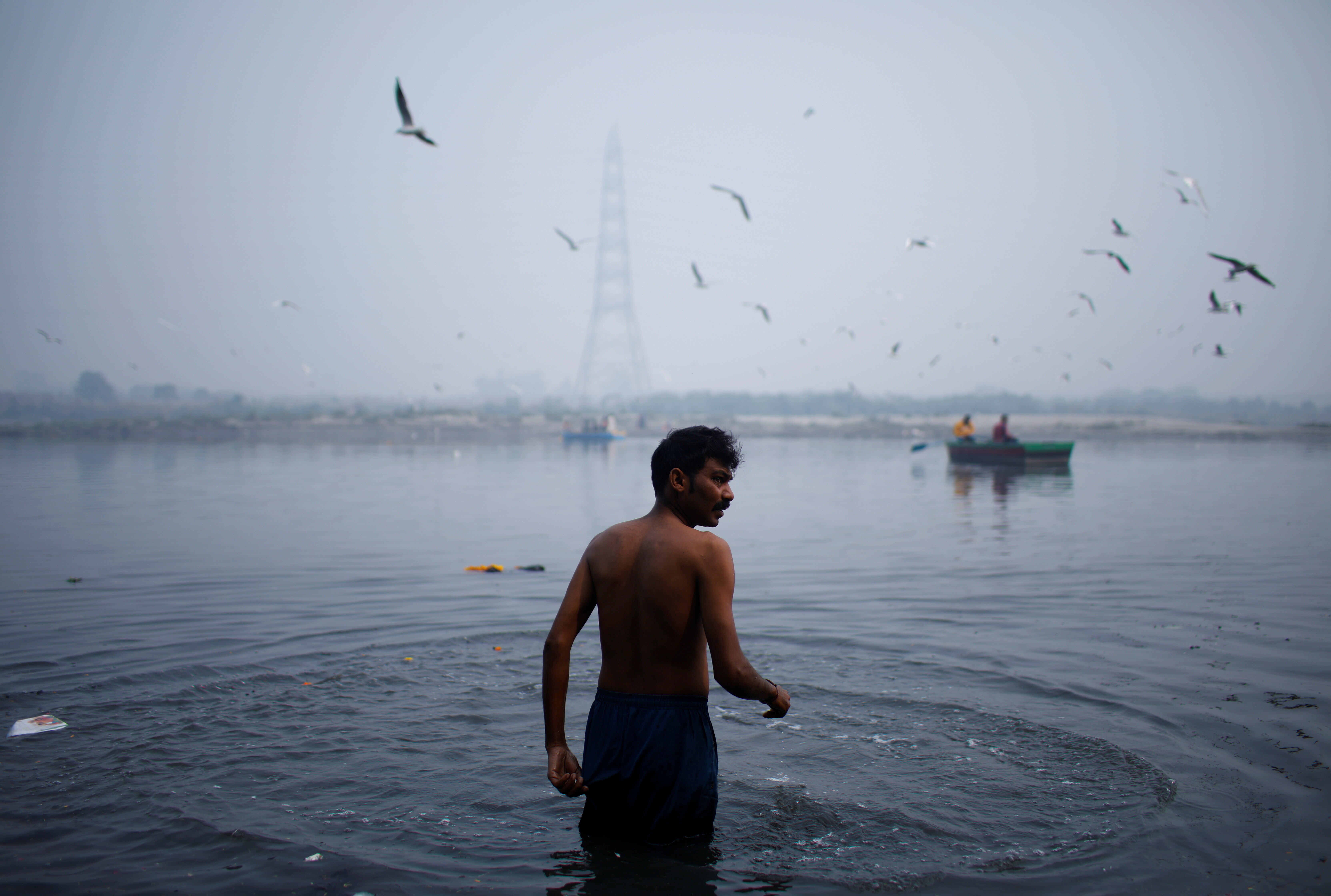
Standards, monitoring and enforcement can help industries comply and reduce river pollution. Image: REUTERS/Adnan Abidi
- Many strategically significant rivers in India are heavily contaminated with untreated wastewater, especially from textile and tannery industries that release dyes, salts and hard-to-treat chemicals.
- Farmers in regions such as the Noyyal basin and Jojari River area are losing arable land, being forced to migrate and facing toxic exposure. Simply collecting data isn’t enough.
- Artificial intelligence-driven monitoring, real-time detection, predictive maintenance and stricter enforcement can help industries comply and reduce river pollution.
Water is the identity of planet Earth. Our planet’s signature blue colour comes from the 71% of its surface that is covered with water. Coincidentally or not, a similar proportion of the human body is made of water.
Everyone knows human civilization needs water to exist, which is why we are even searching for it on the moon. Yet when it comes to the water already here, river pollution continues to rise while action lags far behind.
The need to act will only become clearer if we change the lens through which we view river pollution.
”Rivers are a major source of water for a large share of India’s population. People depend on them not only for drinking but also for agriculture. Cities throughout history formed along riverbanks but no one imagined these settlements would grow to choke their own lifelines.
Everyone knows how polluted the Yamuna – the second-largest tributary of the Ganges – has become but few acknowledge the industries driving much of that river pollution, especially the textile and tannery sectors that affect the Yamuna and many other rivers across India.
Health and economic risk for local populations
India’s rivers have shaped civilizations, supported farming and powered industry for centuries. They remain the lifeblood of a country where millions depend on agriculture.
People still rely on these rivers for drinking water, food production, jobs and cultural life. But today, many rivers are on life support. Those responsible for protecting them are failing. India holds roughly 18% of the world’s population but only about 4% of its renewable freshwater resources – a mismatch that raises the stakes of river degradation.
Across the country, untreated industrial wastewater contaminates rivers such as the Yamuna, Ganga, Sabarmati and Jojari. Many tributaries and smaller stretches are critically degraded and several more face the real prospect of functional collapse in the coming decades.

A major contributor to this decline is the textile and tannery industry, which consumes vast amounts of water and generates difficult-to-remove waste. Rivers have endured natural shocks for millennia but today they face a human-made crisis driven by factory wastewater, slow regulation and negligence by authorities and the public alike.
This is more than an environmental concern; it touches human survival. Once called the lifeline of Jodhpur, the Jojari River is slowly dying and many more may follow suit.

Polluted rivers threaten drinking water, farm productivity, public health and local economies. Studies near Kanpur’s tanneries show chromium in groundwater far above safe limits, linking waste directly to serious health risks.
Rivers might recover – but perhaps too late
Rivers can recover over decades but farms, waterworks and communities cannot withstand long-term pollution.
Take the Yamuna, a major water source for Delhi, alongside groundwater and other supplies. When it enters Delhi, it is still like any Himalayan river. But across just 22 kilometres of industrial and sewage-laden stretches, it becomes a drain.
Tanneries and textile units often discharge untreated wastewater loaded with chromium, dyes, salts and other chemicals that conventional treatment plants cannot remove. These must be treated at the source. When systems break down, people and local economies bear the cost.
When innovation, technology and responsibility come together, industry and river health can coexist.
”Local reports and studies show significant contamination from textile dyes and salts in Tamil Nadu’s Noyyal basin. A similar story has unfolded along Rajasthan’s Jojari River, where villagers say their farmland turned barren near Balotra, where textile factories line the riverbanks.
Local farmer Babulal explains, “The soil no longer grows anything; it stays covered in black water throughout the year.”
“We once lived off this land; now we are searching for other work to survive,” he says. The toxic runoff does not just poison crops – it pushes families to abandon generations-old farming traditions and migrate. A lifeline has become a symbol of despair.
The need to act will only become clearer if we change the lens through which we view river pollution.
We need intelligence, not just data
India has begun installing continuous effluent monitoring systems and many industries now have sensors at discharge points. On paper, this should help compliance. In practice, it often doesn’t.
Enforcement actions can come weeks or months after violations, long after damage has occurred. The Yamuna monitoring programme is a good start but it is often treated as a box-ticking exercise rather than an innovative, responsive system. The river isn’t short of data; it’s short of intelligence.
When innovation, technology and responsibility come together, industry and river health can coexist. In parts of Europe, textile pilots reuse most of their water and work toward near-closed-loop systems. They also use data and automation to cut river pollution.
Regulators are testing new methods to detect illicit discharges more quickly. Wide-scale, real-time enforcement is still in its early stages but pilot projects using artificial intelligence (AI) and satellite imagery show promise.
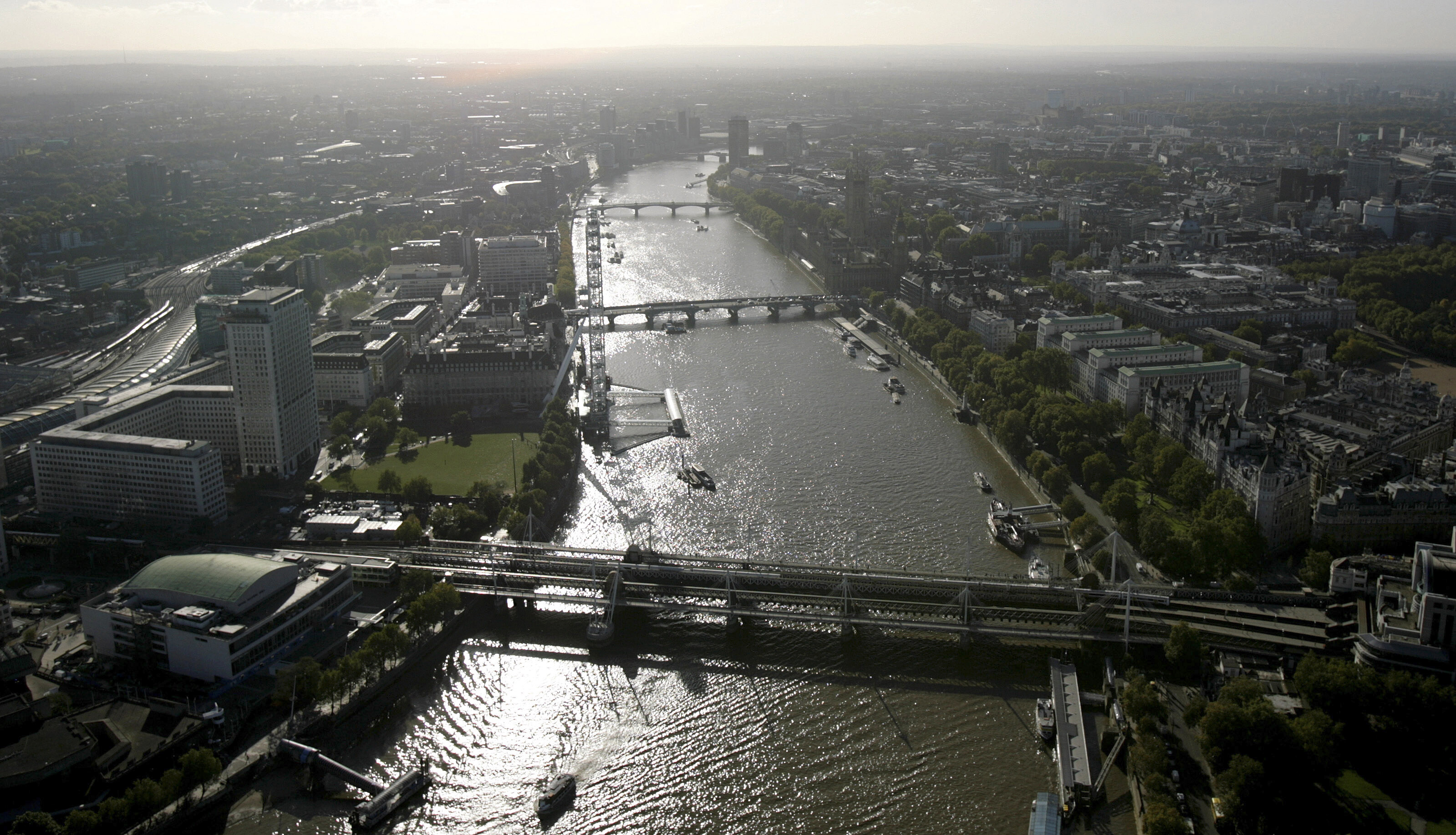
The Thames in London is proof of what is possible: once declared biologically dead, it revived through strict regulations, investment in treatment and improved monitoring. Severely contaminated urban rivers can, therefore, be brought back to life.
What’s more, these examples show that strict standards, shared responsibility and smart monitoring can make industries stronger, rather than holding them back.
How AI can reverse river pollution
AI will not solve everything but it can make monitoring far smarter and more efficient. When added to existing sensor networks, machine learning can:
- Detect sudden changes in pH or other measures in real time.
- Predict equipment failures in treatment plants before they cause violations.
- Spot likely illegal discharges by linking satellite images, flow data and history.
- Prioritize inspections where problems are most likely.
- Provide clear public dashboards that let communities easily track water quality.
AI can help us move from passive sensors to active intelligence. India does not need more raw data; it needs to change how it uses that data to drive innovative solutions.
Don't miss any update on this topic
Create a free account and access your personalized content collection with our latest publications and analyses.
License and Republishing
World Economic Forum articles may be republished in accordance with the Creative Commons Attribution-NonCommercial-NoDerivatives 4.0 International Public License, and in accordance with our Terms of Use.
The views expressed in this article are those of the author alone and not the World Economic Forum.
Stay up to date:
SDG 06: Clean Water and Sanitation


Forum Stories newsletter
Bringing you weekly curated insights and analysis on the global issues that matter.
More on Food, Water and Clean AirSee all

Moattar Samim
February 21, 2026


