For healthier employees and productivity, it's time to act on chronic diseases

Chronic diseases are no longer just a health concern – they are a threat to productivity Image: REUTERS/Edgard Garrido
- We live longer than ever before – but chronic diseases such as obesity and diabetes are holding us back from reaching our full potential both at home and in the workforce.
- For governments, employers and insurers, chronic diseases are no longer just a health concern – they are a threat to productivity, competitiveness and long-term economic resilience.
- Investing in solutions that can extend health span is the best investment we can make as employers and societies, because when people are healthy, they work more, live longer and keep our economies strong.
We are living longer than ever before, yet too many of those added years are spent in poor health. Chronic diseases such as obesity and diabetes increasingly shape our daily lives. Almost everyone knows a friend, family member or colleague affected by one of these conditions and has seen how they can reduce participation in community life, limit careers and, ultimately, shorten lives.
As chronic diseases become more common, they are straining already overburdened health systems and are now among the leading causes of disability, absenteeism and early exit from the workforce. For governments, employers and insurers, chronic diseases are no longer just a health concern – they are a threat to productivity, competitiveness and long-term economic resilience. At a time when many economies face slowing productivity and rising demographic pressures, tackling preventable diseases – particularly obesity – is one of the most powerful, yet underused, levers we have for growth.
The latest WHO guidelines on obesity medicines highlight the global opportunity to reduce skyrocketing health costs linked to the condition by helping more people live longer, healthier lives. If we fail to seize this opportunity, we risk consigning millions more years of life to disability.
Workplace health as a strategic differentiator
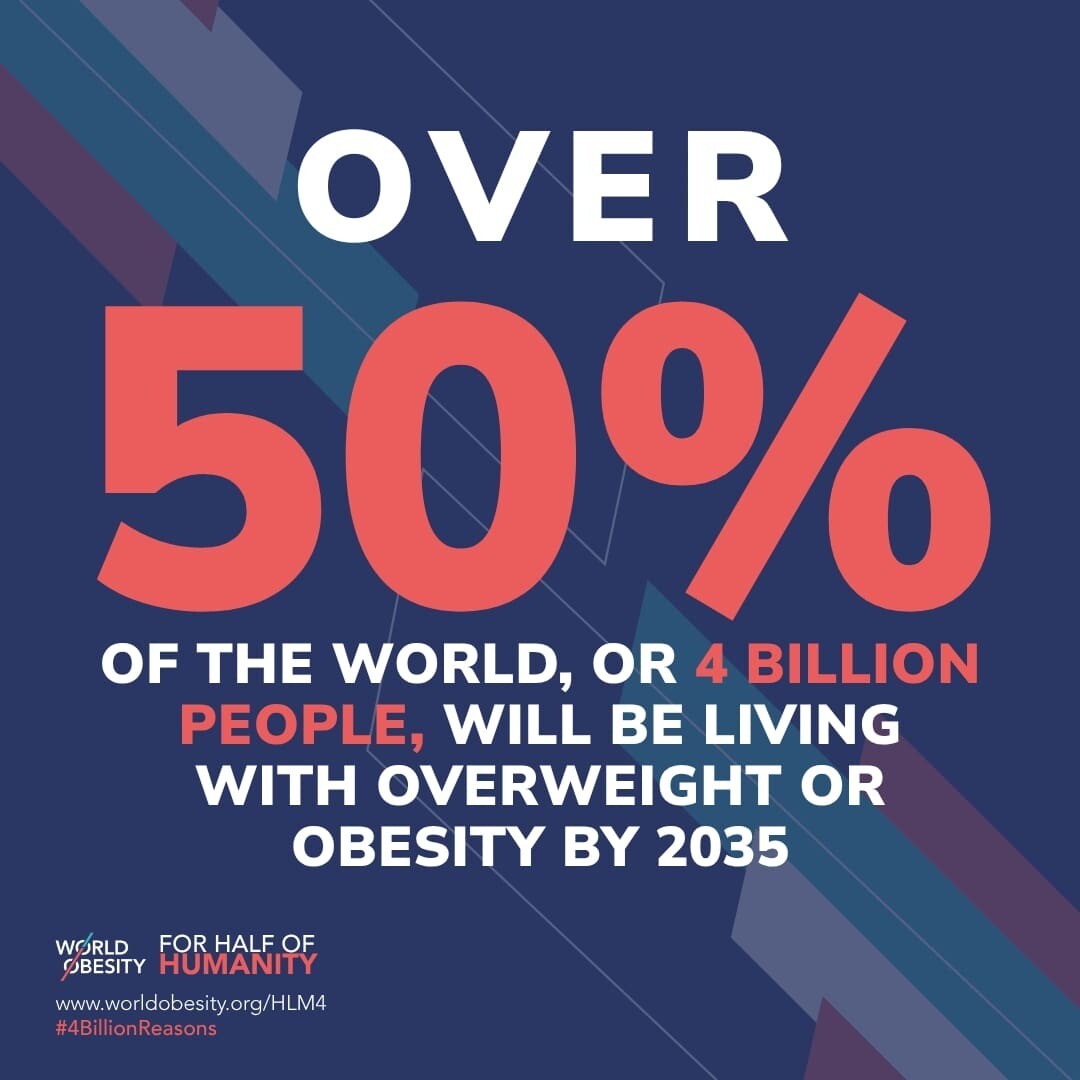
By 2035, more than half the world’s population is projected to be affected by overweight and obesity – putting 4 billion people at increased risk of not only diabetes but also conditions affecting the heart, kidneys and liver. This should set alarm bells ringing. We urgently need a multi-sectoral strategy to tackle chronic diseases and help people live healthier, longer and more economically productive lives.
For too long, we have funded sickness rather than investing in health. Flipping that approach would save both lives and money. Investment in health could add an estimated $11 trillion to the global economy in 2050 through a more productive labour force and lower rates of short and long-term absences.
There are reasons for optimism. Data suggests that the US adult obesity rate declined by about two percentage points between 2020 and 2023, likely driven by new obesity treatments. This is encouraging, as it shows that innovative therapies combined with population-level strategies can shift the trajectory of chronic disease.
Ultimately, we need to realize that better health is not an expense; it is an economic engine.
The stimulus for business performance and a thriving workforce
The message is getting through. The EU Commission’s recent competitiveness agenda and cardiovascular health plan highlight that innovation, as well as early diagnosis and management of obesity and diabetes, are essential to reducing mortality, protecting labour markets and driving long-term growth. Additionally, obesity reduces the global workforce by the equivalent of 54 million workers every year.
In Australia, an analysis of the mining and resources sector shows how rising overweight and obesity rates could reduce the availability of skilled labour, increase disability and weaken sector-level competitiveness. Further analysis shows that employers investing in holistic management of obesity (including exercise, nutrition and access to treatment) experienced fewer high-cost medical events, translating into reduced absenteeism.
Without action, employers, insurers and governments all face escalating, avoidable costs. With the right investments, they will gain healthier teams, higher retention and a workforce enjoying longer, more productive careers.
Bringing equitable healthcare to scale with digital tools
Health systems alone cannot shoulder the growing chronic disease burden. In most countries, general practitioners are already overstretched. Over-reliance exclusively on in-person care is, therefore, not scalable.
Digital health platforms and telehealth can make obesity prevention, behavioural support and disease management more accessible and equitable. By reducing barriers and integrating support across nutrition, physical activity, mental health and medical care, digital models can improve adherence, continuity and health outcomes.
Regulatory fragmentation and restrictions, however, including limitations on digital obesity care, are slowing progress. Modernized, harmonized policy is essential to ensuring people can access safe, comprehensive and convenient care where and when they need it.
What leaders must do next
The business case is clear: healthier ageing populations are essential to labour force stability, economic growth and long-term prosperity – and tackling obesity and associated chronic conditions is central to that mission.
That makes investing in obesity and its costly complications one of the biggest bang-for-your-buck investments society can make. When populations are healthy, they participate more fully in the workforce, contribute to innovation and growth, support families and communities, and strengthen national prosperity.
No single stakeholder can move the dial alone. The responsibility – and opportunity – is shared. Policy-makers, employers, patients and industry must work together to ensure people, health systems and economies benefit from living better for longer. We stand ready to be a partner in unlocking that future.
How the Forum helps leaders strengthen health systems through collaboration
Don't miss any update on this topic
Create a free account and access your personalized content collection with our latest publications and analyses.
License and Republishing
World Economic Forum articles may be republished in accordance with the Creative Commons Attribution-NonCommercial-NoDerivatives 4.0 International Public License, and in accordance with our Terms of Use.
The views expressed in this article are those of the author alone and not the World Economic Forum.
Stay up to date:
SDG 03: Good Health and Well-Being


Forum Stories newsletter
Bringing you weekly curated insights and analysis on the global issues that matter.
More on Health and Healthcare SystemsSee all

Shyam Bishen
March 3, 2026