How Indonesia is prioritizing school children’s well-being amid climate change
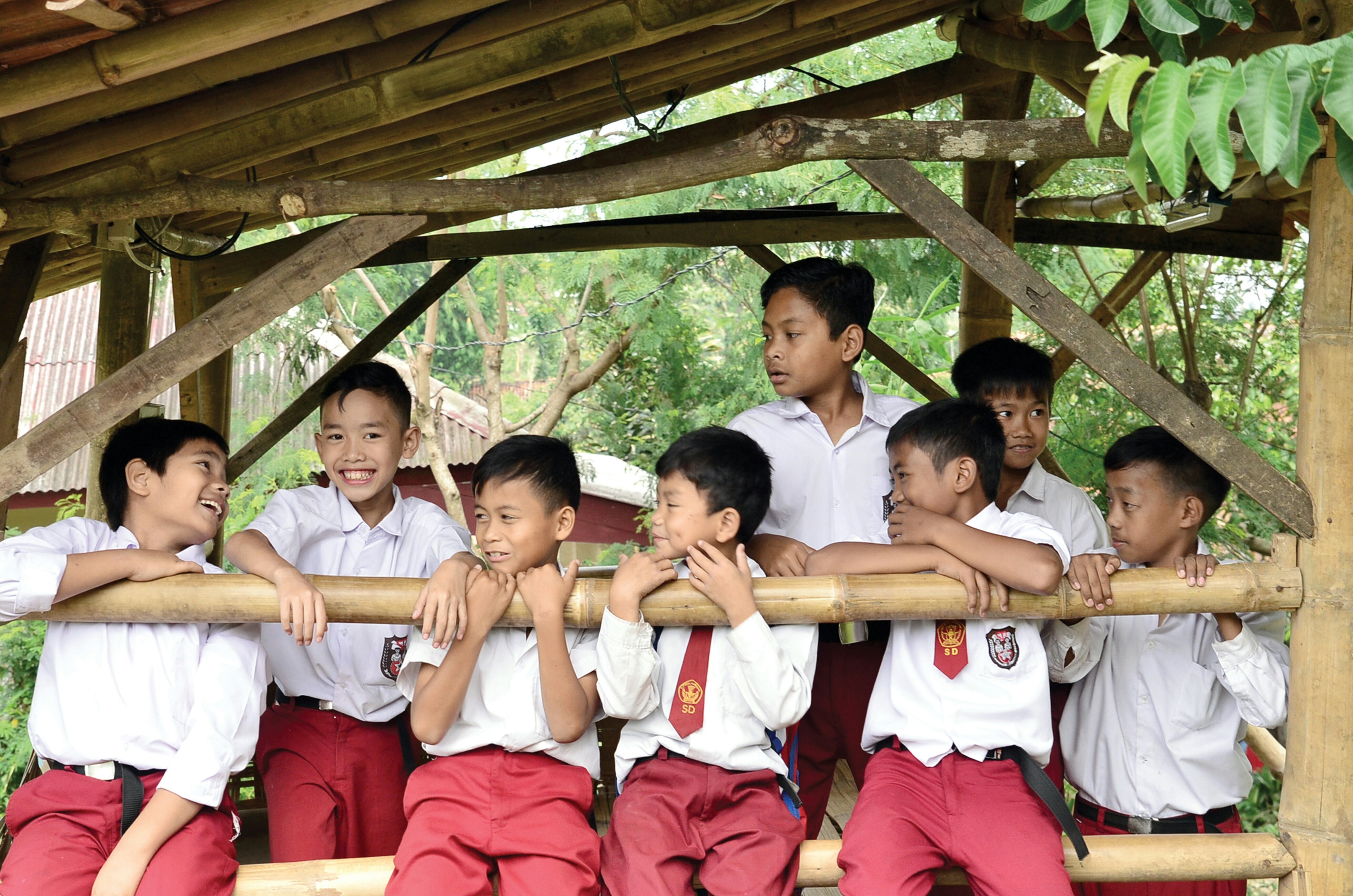
Extreme heat increasingly threatens children’s health, cognitive development and educational outcomes, particularly in high-risk countries affected by climate change. Image: Bayu Syaits/Unsplash
- Extreme heat increasingly threatens children’s health, cognitive development and educational outcomes, particularly in high-risk countries affected by climate change.
- Indonesia is responding by embedding environmental education as social infrastructure to build everyday climate resilience.
- Youth-led initiatives are strengthening adaptation by involving young people in governance and community action.
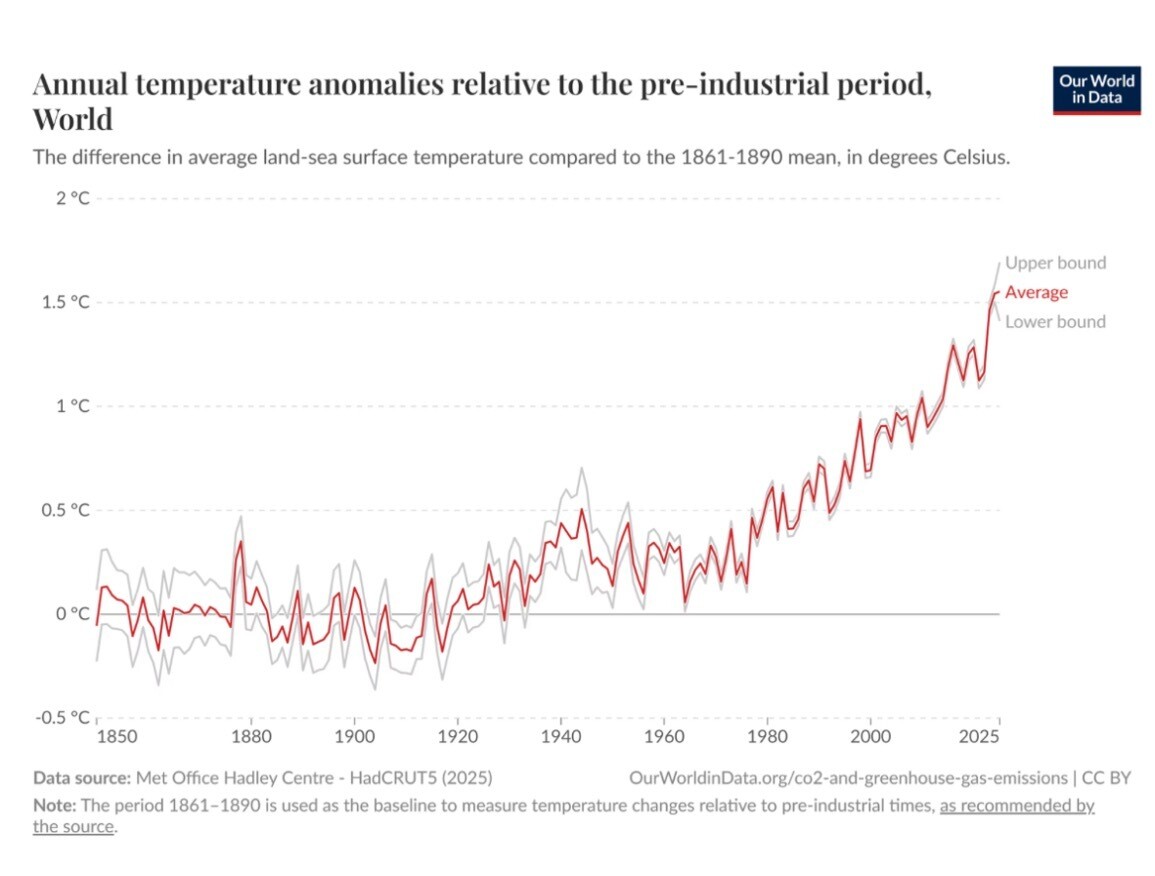
2024 was the hottest year on record, with extreme heat threatening children’s health, education and long-term wellbeing – especially in the Asia-Pacific. In the region, an estimated one billion children live in one of 33 countries classified as “extremely high-risk” from climate impacts.
Children experience unique vulnerabilities to extreme heat. Unlike adults, children are physiologically more vulnerable, as their bodies absorb heat more quickly, sweat less efficiently and rely on higher metabolic rates - making them more prone to dehydration, heat exhaustion and heat stroke. Cognitive and emotional development is also at risk: prolonged exposure to high temperatures can impair learning, concentration and memory, disrupting educational attainment and social interaction.
In this context, Indonesia, as a high-risk nation for climate impacts, is emerging as an incubator for youth-led climate resilience initiatives. Indonesia ranks 46th out of 163 countries in terms of climate-related risks for children, placing it in the “high-risk” category. Approximately 15 million children in Indonesia are estimated to be directly exposed to heat waves. This reality has required Indonesia to develop social infrastructure that protects youth from climate vulnerabilities.
Drawing upon Indonesia’s experience, we can glean the role of social infrastructure, not just physical infrastructure, in youth climate adaptation. This generates hubs for community early-warning systems, climate skills training and youth participation in local decision-making.
Schools as social infrastructure for children’s climate resilience
Reinforcing Indonesia’s leading examples of participatory climate policy design, schools are important nodes of social infrastructure for youth wellbeing amidst a changing climate.
Pendidikan Lingkungan Hidup (PLH) is a strong example of this. This is an environmental education programme in Indonesia, focused on upskilling school students and teachers to manage the built and natural environment in their schools. The PLH provides several benefits, including cooling effects to the impacts of extreme heat.
In December 2024, teachers at SMPN 23 Surabaya joined a two-day workshop with Tunas Hijau Indonesia on how to weave PLH into every subject they teach. With energy and commitment, they reworked lesson plans to bring climate and environmental awareness directly into children’s daily learning.
PLH builds on the vision of the UNESCO Tbilisi Declaration (1977): to create a society that is not only aware of environmental challenges, but also motivated and equipped to act on them. In practice, this means helping young people develop the knowledge, skills and values needed to work together in solving today’s environmental problems - and to prevent new ones in the future.
PLH connects the global climate crisis to everyday life, showing children how big environmental issues play out in their own backyards. Schools become more than classrooms - they turn into living labs of resilience, where teachers and students design solutions that inspire families and entire communities.
This makes PLH far more than just education. It is social infrastructure for climate resilience - arming the next generation with the tools, confidence and collective spirit to face a hotter, more uncertain future head-on.
The role of deliberative fora
Another initiative addressing the challenge of Indonesian youth climate impacts is Youth Voice Now (YVN) Sikka, which provides an inspiring example of youth-led climate action. YVN equips young people to conduct action research, advocate for policy change and partner with local governments on solutions such as tree planting and climate awareness campaigns. Through youth councils, they contribute directly to policy discussions and have been appointed as a Youth Advisory Body, strengthening youth participation in governance.
Their involvement in formal planning processes like Musrenbang (village-level stakeholder forum) ensures youth perspectives are reflected in policies addressing extreme heat and other climate threats. In recognition, YVN has received the Kalpataru Environmental Award for planting 1,000 trees and promoting climate action in Sikka. A deliberative forum like this highlights the role of youth networks in promoting social infrastructure for extreme heat adaptation.
Lessons and implications for intergenerational fairness
The lesson: empowering young people in the design and use of their social infrastructure is essential to building climate resilience across generations.
Indonesia’s experience demonstrates that schools are far more than places where lessons are taught—they are platforms for climate resilience, fostering the skills, solidarity and leadership that young people require to navigate an increasingly hotter world. Initiatives such as Pendidikan Lingkungan Hidup and youth-led movements like YVN Sikka show that when young people are trusted as genuine partners, they not only adapt to climate risks but also help to shape the very systems that define their futures.
Recognising schools as social infrastructure reframes education as a frontline defence against climate change - one that safeguards health, supports wellbeing and empowers young people to take part in governance. This is not simply about preparing the next generation for future challenges; it is about delivering intergenerational fairness now, ensuring that children in Indonesia and across the Asia-Pacific are equipped to thrive, rather than merely endure, in an era of climate extremes.
Don't miss any update on this topic
Create a free account and access your personalized content collection with our latest publications and analyses.
License and Republishing
World Economic Forum articles may be republished in accordance with the Creative Commons Attribution-NonCommercial-NoDerivatives 4.0 International Public License, and in accordance with our Terms of Use.
The views expressed in this article are those of the author alone and not the World Economic Forum.
Stay up to date:
Youth Perspectives


Forum Stories newsletter
Bringing you weekly curated insights and analysis on the global issues that matter.