‘Invisible collateral’: how data can build the trust in global trade
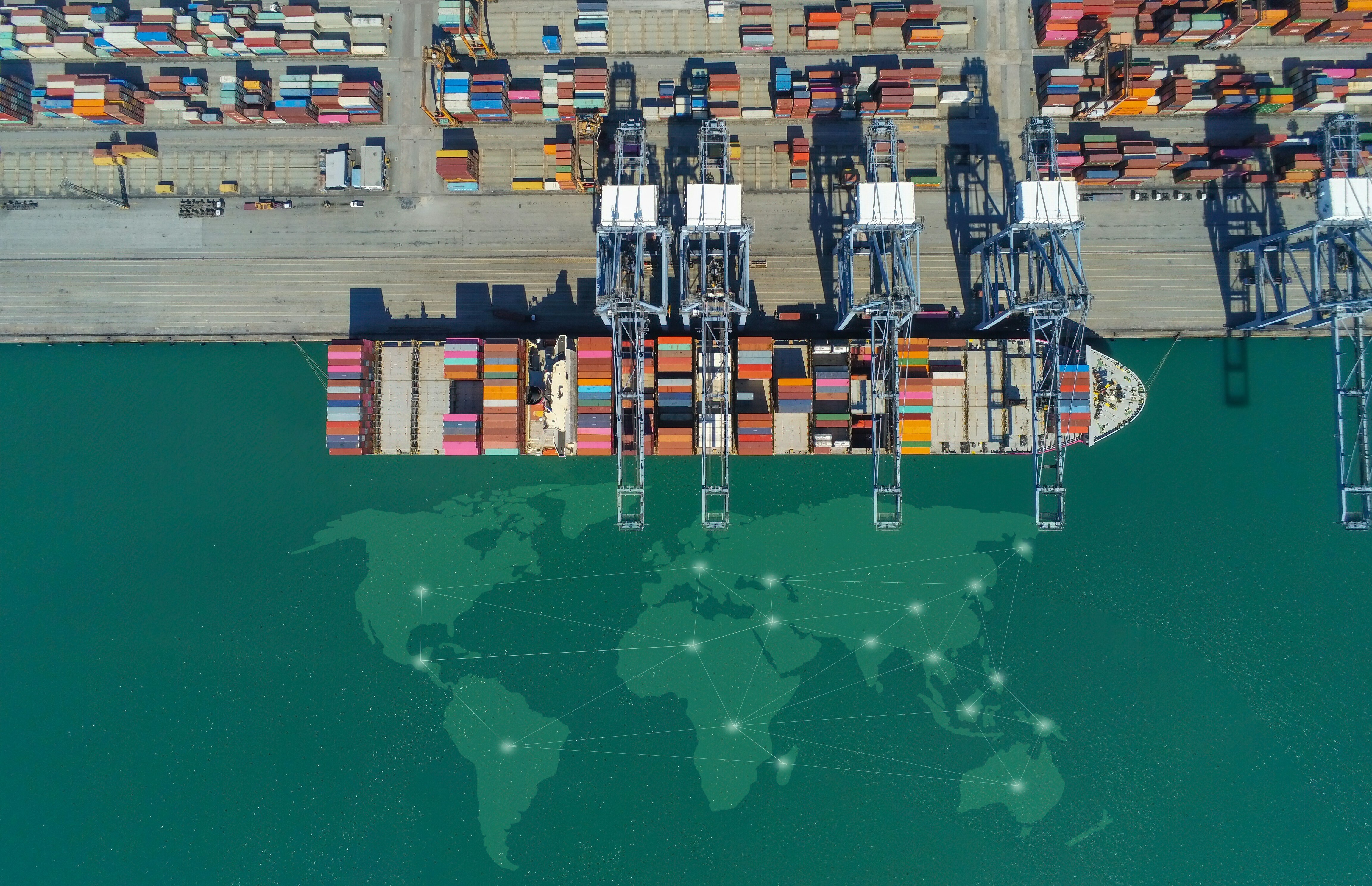
Invisible collateral offers a way to build trust using the trade data that firms generate every day. Image: Unsplash
- The notion a firm’s digital trade footprint can serve as verifiable evidence of reliability is where the concept of ‘invisible collateral’ comes in.
- Treating trade data as a responsibly governed global public good is one of few scalable, system-wide levers capable of narrowing the financing gap.
- Still, invisible collateral is far from becoming a global norm and getting there requires four shifts, including trade data speaking the same language.
Small and medium-sized enterprises (SMEs) across emerging markets consistently deliver to global standards. Yet many remain shut out of the trade-finance system.
In 2022, the world had $2.5 trillion in unmet demand for trade finance, according to a survey by the Asian Development Bank. The gap exists because many lenders still can’t see what SMEs are doing well. A firm may have years of on-time shipments, clean customs, releases, repeat offshore buyers and predictable payment cycles, but none of that matters if lenders can’t see it in a standardized, verifiable way. The irony is that these businesses generate trust signals every day. The challenge is simply unlocking the data that sits across ports, paperwork and logistics systems, waiting to be pulled together in a way lenders can actually use.
In places where governments have fixed this, the shift is visible. Singapore’s Networked Trade Platform connects customs, logistics, and regulatory data so banks can verify shipments directly from trusted sources. Dubai’s linked customs-port ecosystem gives lenders real-time cargo visibility, improving confidence and reducing risk. And Mexico’s CFDI framework creates an audit-backed, national record of every commercial invoice.
The notion that a firm’s digital trade footprint can serve as verifiable evidence of reliability is where the concept of “invisible collateral” comes in.
Proof points of reliability
The vision of a trusted, data-driven trade layer isn’t a moonshot because parts of it already exist today. You can see it in the everyday realities of SMEs engaged in cross-border trade: a cashew exporter in Côte d’Ivoire has customs clearances showing consistent outbound volumes or a coffee cooperative in Colombia has traceable shipments logged through port authorities. These are all proof points of reliability. And when reliability becomes visible, lenders finally have the confidence to extend credit to SMEs.
Artificial intelligence strengthens this shift. Several border agencies already use machine-learning tools to detect inconsistencies, fraudulent patterns, and anomalies in shipping or customs data. The same capability is opening up new ways for lenders to interpret shipment histories, payment cycles and logistics data at scale, all without replacing human oversight. This isn’t theoretical; for example, DP World leverages cargo-movement data for financing decisions, and at Drip Capital we’ve seen the same advantage firsthand by using verified shipment and invoice data to support cross-border financing for firms that lack conventional collateral. These approaches are early but tangible indicators that data-backed trust can complement asset-based underwriting in practice.
Still, invisible collateral is far from becoming a global norm. Getting there requires four shifts:
1. Regulatory frameworks need to catch up
Most lending laws still assume collateral means land, buildings or inventory. Recognising verified digital claims and data trails would bring policy in line with how modern trade actually works. The direction isn’t uncharted. This is an approach aligned with UNCITRAL’s electronic-records framework, which recognises reliable digital records as legally valid instruments.
2. Trade data must speak the same language
Without shared standards for structure and verification, invisible collateral stays fragmented. That’s why initiatives like the ICC’s Digital Standards Initiative matter. They’re creating the common data rules needed for global consistency.
3. AI governance must be transparent
If AI-supported scoring becomes part of the financial infrastructure, the underlying models need to be explainable, auditable and aligned with responsible-use frameworks. Regulators are already signalling this direction. The OECD’s AI Principles and similar guidelines emphasise transparency and accountability as prerequisites for adoption. Opaque systems will be rejected; transparent systems can strengthen trust.
4. SMEs need meaningful digitisation support
A large share of small exporters still operate through paper-heavy processes. Without access to digital workflows, training and basic data-quality guidance, the idea of invisible collateral risks helping only firms that are already digitised. The World Bank’s trade-facilitation research shows this clearly: digital capability gaps are one of the biggest barriers preventing smaller exporters from benefiting from modern trade systems. Unless these gaps are addressed, inclusion will stall.
How the Forum helps leaders make sense of regional, trade and geopolitical shifts
If these enablers align, the gains can be significant. A craft exporter in Kenya could access financing based on verified delivery performance instead of land titles. A seafood exporter in Gujarat could receive more accurate pricing because lenders can validate cold-chain compliance. Banks could reduce fraud exposure through early detection of anomalies. Supply chains could diversify by integrating more credible but previously ‘invisible’ SMEs.
The blunt reality remains: trade finance is still currently built for a world where trust comes from physical assets. Invisible collateral offers a way to rebuild that trust using the digital evidence firms generate every day. As digital trade rails mature, this shift becomes a structural reset. Treating trade data as a responsibly governed global public good is one of the few scalable, system-wide levers capable of narrowing the financing gap and making global commerce more resilient and inclusive.
Don't miss any update on this topic
Create a free account and access your personalized content collection with our latest publications and analyses.
License and Republishing
World Economic Forum articles may be republished in accordance with the Creative Commons Attribution-NonCommercial-NoDerivatives 4.0 International Public License, and in accordance with our Terms of Use.
The views expressed in this article are those of the author alone and not the World Economic Forum.
Stay up to date:
Trade and Investment
Related topics:


Forum Stories newsletter
Bringing you weekly curated insights and analysis on the global issues that matter.
More on Trade and InvestmentSee all

Kimberley Botwright
March 3, 2026


