Preventive medicine can usher in a new era of longevity. Here's how

Preventive medicine is no longer an abstract idea. Image: REUTERS/Kham
- Most healthcare systems still operate on a reactive model, intervening only after symptoms appear.
- Preventive medicine remains insufficiently taught, underutilized and inaccessible despite 70% of healthcare costs being driven by preventable conditions.
- Digital health, concierge care and at-home diagnostics can make health management more immediate and personalized and address conditions and chronic illnesses before they take hold.
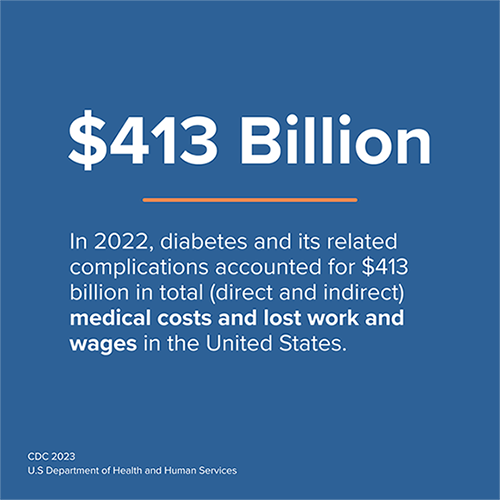
The world is facing two growing and interconnected epidemics: chronic disease and mental health. Nearly half of US adults are projected to live with obesity by 2030 and weight-related illness alone is expected to cost more than $4 trillion annually by 2035. Meanwhile, 50% of people globally will experience a mental health disorder in their lifetime and 80% of Americans with prediabetes remain undiagnosed – an invisible crisis unfolding in plain sight.
These numbers illustrate a deep structural failure: most healthcare systems still operate on a reactive model, intervening only after symptoms appear. Primary care providers face long wait times, administrative overload and limited capacity to deliver ongoing behavioural support. Preventive medicine remains insufficiently taught, underutilized and inaccessible despite 70% of healthcare costs being driven by preventable conditions.
The uncomfortable reality is this: the average person with average medical care and average biomarkers will develop the average chronic diseases of their population.
But a new healthcare model is emerging – one grounded not in crisis response, but in early action, personalization and long-term resilience. It’s a shift driven not by the medical community, but by this average person.
The rise of preventive health
Digital health, concierge care and at-home diagnostics can make health management more immediate and personalized. Advanced home-based diagnostics and screening tools are becoming more powerful and more accessible. In the US alone, spending on wellness represents more than $500 billion annually, with longevity one of the fastest-growing segments globally.
For the first time, people can monitor their metabolic health, inflammation, cardiovascular risk, hormonal balance and nutrient levels without entering a clinic. They can use advanced and cutting-edge tools, as well as search and AI, to understand what is happening inside their bodies and anticipate potential health issues. Health trends that once unfolded silently over years and could only be interpreted by physicians are now visible – and actionable – in real time.
Prevention is no longer an abstract idea or one reserved for the elite, wealthy or "whacky" – it’s becoming a measurable practice for which the average person can reach.
GLP-1 medications: from weight loss to longevity medicine
The rapid global adoption of GLP-1 medications (diabetes and weight-loss aids) is opening a door to an entirely new category of care. Semiglutide is becoming increasingly understood as a medicine for longevity, with a growing body of evidence suggesting that GLP-1 medications improve multiple systems involved in healthy aging. Studies suggest these medications can lead to a 14% reduction in major heart events, improvements in reproductive health and a reduction of diabetes risk by up to 30%.
With these studies in mind, GLP-1s are reframed as foundational medicines for extending an individual’s healthy lifespan.
The virtuous cycle: medication and microhabits
Medication alone cannot deliver lasting wellbeing, however. Research shows that nutrition, movement, sleep and daily routines remain the strongest predictors of long-term outcomes.
Evidence is emerging that GLP-1s can create a window of reduced food noise and increased cognitive clarity. As individuals begin to feel better quickly, motivation rises. Action produces early wins, early wins drive self-efficacy and self-efficacy fuels identity change.
The most effective GLP-1 programmes, therefore, pair medication with microhabits – small, sustainable actions that underpin long-term transformation. Emerging evidence even suggests that modest exercise can counteract the cardiovascular strain sometimes observed in GLP-1 users, underscoring the importance of whole-person care.
The focus moves beyond weight loss to a bigger, bolder question: what else about my health can I improve?
Democratizing diagnostics or making the invisible visible
The next frontier in preventive health is diagnostics that bring lab-grade insights directly into the home. New at-home testing solutions let people track crucial biomarkers tied to longevity and chronic disease risk, including those that are predictors of cardiovascular events, early warning signs of metabolic dysfunction, markers of chronic inflammation and indicators of resilience, ageing and energy.
Combined with AI-powered analysis, these diagnostics help translate complex data into actionable, personalized insights. This accessibility fundamentally changes the relationship between people and their health as silent trends become visible and early action becomes possible.
A new model of global health: proactive, personalized and patient-led
The shift toward preventive medicine is more than a consumer trend – it is a structural, generational reimagining of healthcare. The reactive model, defined by late detection and symptom management, is giving way to a system that is:
- Predictive: identifying risks before they escalate
- Personalized: tailored to each individual’s biology and behaviour
- Longitudinal: supporting health every day, not once a year
- Technology-enabled: using AI and digital tools to scale access
- Patient-led: empowering individuals through data and agency
We need a healthcare system that acts before a crisis, not after it. A system that uses diagnostics to direct attention, uses medication to unlock agency and uses daily habits to make gains durable.
The future of health is not reactive – it is proactive and accessible to everyone. By combining breakthrough medications, next-generation diagnostics, and behaviour change grounded in psychological science, we can bring preventive health into everyday life. In doing so, we can ensure that longevity becomes not a luxury for the few but a possibility for all.
Don't miss any update on this topic
Create a free account and access your personalized content collection with our latest publications and analyses.
License and Republishing
World Economic Forum articles may be republished in accordance with the Creative Commons Attribution-NonCommercial-NoDerivatives 4.0 International Public License, and in accordance with our Terms of Use.
The views expressed in this article are those of the author alone and not the World Economic Forum.
Stay up to date:
Longevity Economy
Related topics:


Forum Stories newsletter
Bringing you weekly curated insights and analysis on the global issues that matter.