Gulf nation ports deliver water, energy and food. What happens when they close?
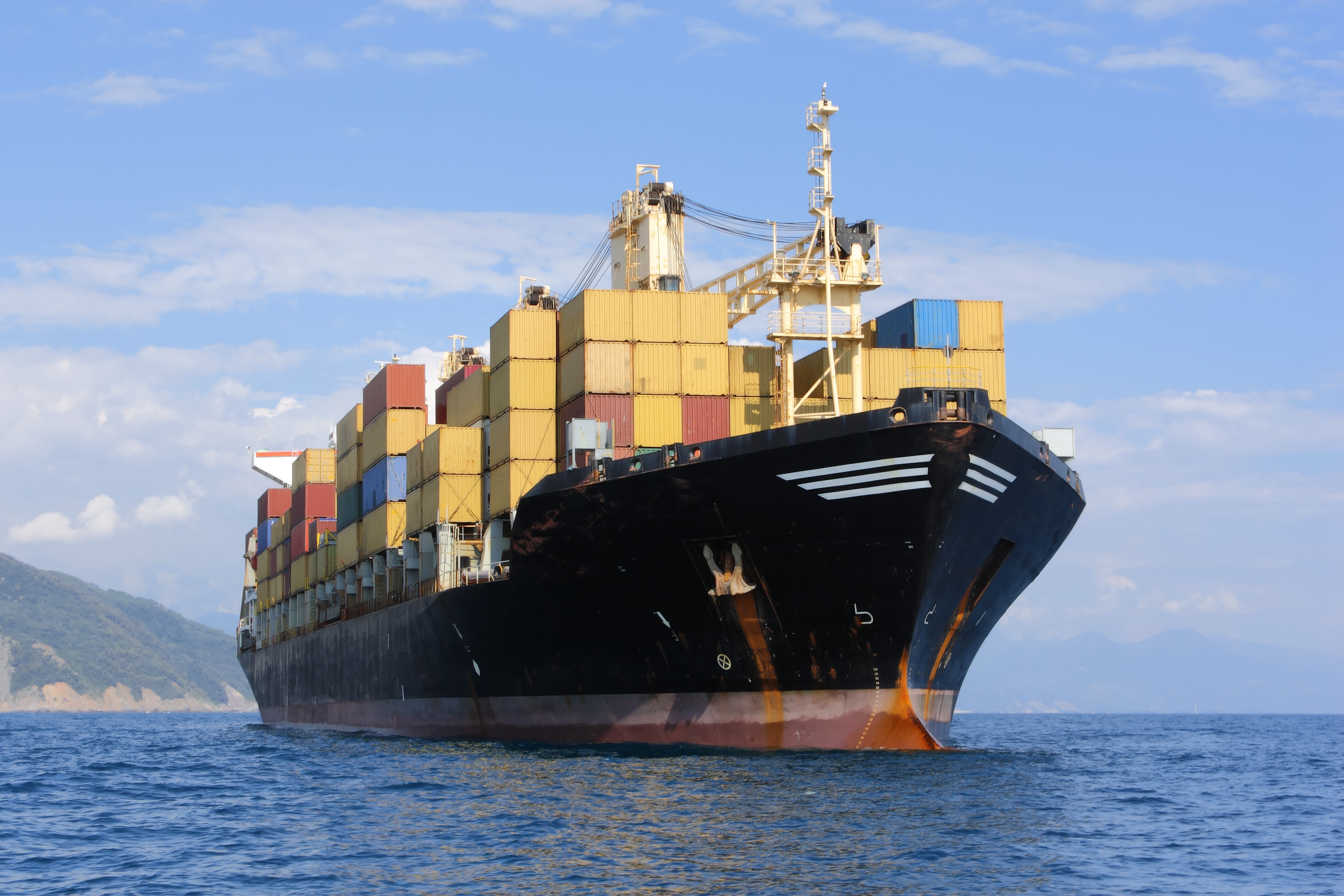
The closure of the Strait of Hormuz has had significant implications for water, energy and food transported via Gulf region ports. Image: Shutterstock/FedericoRostagno
- The energy, food and water nexus represents the deep interdependence between three systems that are crucial to people's lives and livelihoods.
- The recent closure of the Strait of Hormuz has affected energy, water and food supplies – both within the Gulf region, but also globally.
- Fair employment, community investment and clean energy integration will help ports remain trusted and legitimate across geopolitical cycles.
Somewhere in the Gulf this week, a desalination plant is running on chemicals that arrived by ship three weeks ago. When those chemicals run out, the plant will slow. When the plant slows, water output drops. The family at the end of that chain does not follow freight indices, they turn on a tap.
The coverage of the Strait of Hormuz crisis so far has mostly centred on energy prices and shipping disruption: Brent crude, tanker counts, insurance premiums. All of this matters, but the conversation has yet to reach the underlying emergency, which is whether people in and beyond the Gulf will have enough clean freshwater, affordable food and be able to keep essential systems running in the weeks ahead.
The energy, food and water nexus describes the deep interdependence between these three systems.
In the Gulf, this interdependence is the operating logic of daily life. Water, energy and food systems all run through maritime infrastructure. Energy makes water through desalination. Food arrives by sea. Fertilizer, manufactured from natural gas, flows through the same chokepoint. When the Strait of Hormuz was effectively closed in early March 2026, it closed on all three at once.
There are also implications that reach far beyond the Gulf. Thailand has 38 days of oil physically in storage, with the remainder still in transit by sea – a significant share of the country's crude supply is sourced from Gulf producers. European natural gas prices nearly doubled in the first days of the crisis and since then Qatar has halted LNG production at Ras Laffan, one of the world’s largest gas export terminals. Sustained disruption in the Strait of Hormuz could reduce global supply of urea, a fertilizer, by as much as 30%.
This is an energy crisis, a water crisis and a food crisis – and all three converge at ports.
The nexus becomes physical at ports
On any given day, a Gulf port moves LNG alongside grain, desalination chemicals, refrigerated food and fertilizer inputs. All flow through the same berths, the same logistics networks and the same commercial relationships.
The Gulf imports approximately 85% of its food, mostly by sea. The region produces drinking water through desalination, which requires continuous energy and a steady maritime supply of chemicals and equipment. Energy exports generate the revenue that pays for food imports.
A port is the physical manifestation of the energy, food and water nexus. But many of these convergence points have now shut down across the region.
In recent weeks, Kuwait has suspended operations at its port of Shuaiba and is evacuating vessels. Bahrain has closed the Khalifa Bin Salman Port. Qatar has temporarily halted all maritime navigation. Missile debris started a fire at a berth at the United Arab Emirates’ port of Jebel Ali. Container shipping companies suspended transits through the Strait of Hormuz and cargo bookings have been halted across eight countries, while at least 150 vessels are anchored in open water around the Strait of Hormuz, their cargo going nowhere.
This disruption is travelling through all three supply chains simultaneously. Desalination inputs have stalled, alongside food imports and energy shipments.
Building ports for a new reality
The Port of Duqm, in Oman's largest special economic zone on the Arabian Sea coast, offers a genuine alternative to the Strait of Hormuz. It has direct access to the Indian Ocean, allowing vessels to bypass the chokepoint entirely. But as a recent drone strike on Duqm demonstrated, alternative locations are necessary, but one is not sufficient. More ports are needed that can operate during calm or stormy geopolitcal weather.
Responsible governance makes a port resilient across geopolitical cycles. Neutrality can be actively maintained through regulatory predictability, compliance standards and diversified international investment. This ensures no single geopolitical rupture can unwind a port's commercial foundations. And a port that's trusted by competing powers is more likely to stay open throughout geopolitical shifts.
The same logic extends to worker welfare and community resilience. Minimum welfare standards must be embedded into licensing and contractor systems that can be applied uniformly across anchor operators, subcontractors and service providers. Issues such as heat stress incidents, housing shortfalls and inaccessible grievance channels shouldn't be seen as welfare problems, but operational failures. Ports that put workers, communities and nature at the heart of their operations earn the social license to operate.
Nature-positive port operations should also be a strategic priority. Duqm's master plan integrates fisheries and coastal communities alongside industrial sub-zones, for example. And strategic bets on innovations such as green hydrogen and renewable energy could help ports thrive in the post-oil economy.
Fair employment, community investment and clean energy integration will determine whether a port remains trusted and legitimate across geopolitical cycles, not just in calm weather.
Building geopolitically resilient ports
Ports don’t have the luxury of treating water, energy and food as separate systems. They arrive at the same berths, often bound for the same people. The workers who run those berths and the communities who live alongside them are not peripheral to that system, they are what keep it running.
The ports that prove indispensable, even during geopolitical strife, will be those designed with this knowledge embedded into their operations to make them trustworthy and diversified.
Don't miss any update on this topic
Create a free account and access your personalized content collection with our latest publications and analyses.
License and Republishing
World Economic Forum articles may be republished in accordance with the Creative Commons Attribution-NonCommercial-NoDerivatives 4.0 International Public License, and in accordance with our Terms of Use.
The views expressed in this article are those of the author alone and not the World Economic Forum.
Stay up to date:
Energy, Water & Land Nexus
Related topics:


Forum Stories newsletter
Bringing you weekly curated insights and analysis on the global issues that matter.
More on Geo-Economics and PoliticsSee all

Miriam Schive and Spencer Feingold
September 18, 2026