How climate storytelling can move from fear to agency, and why it matters for policy
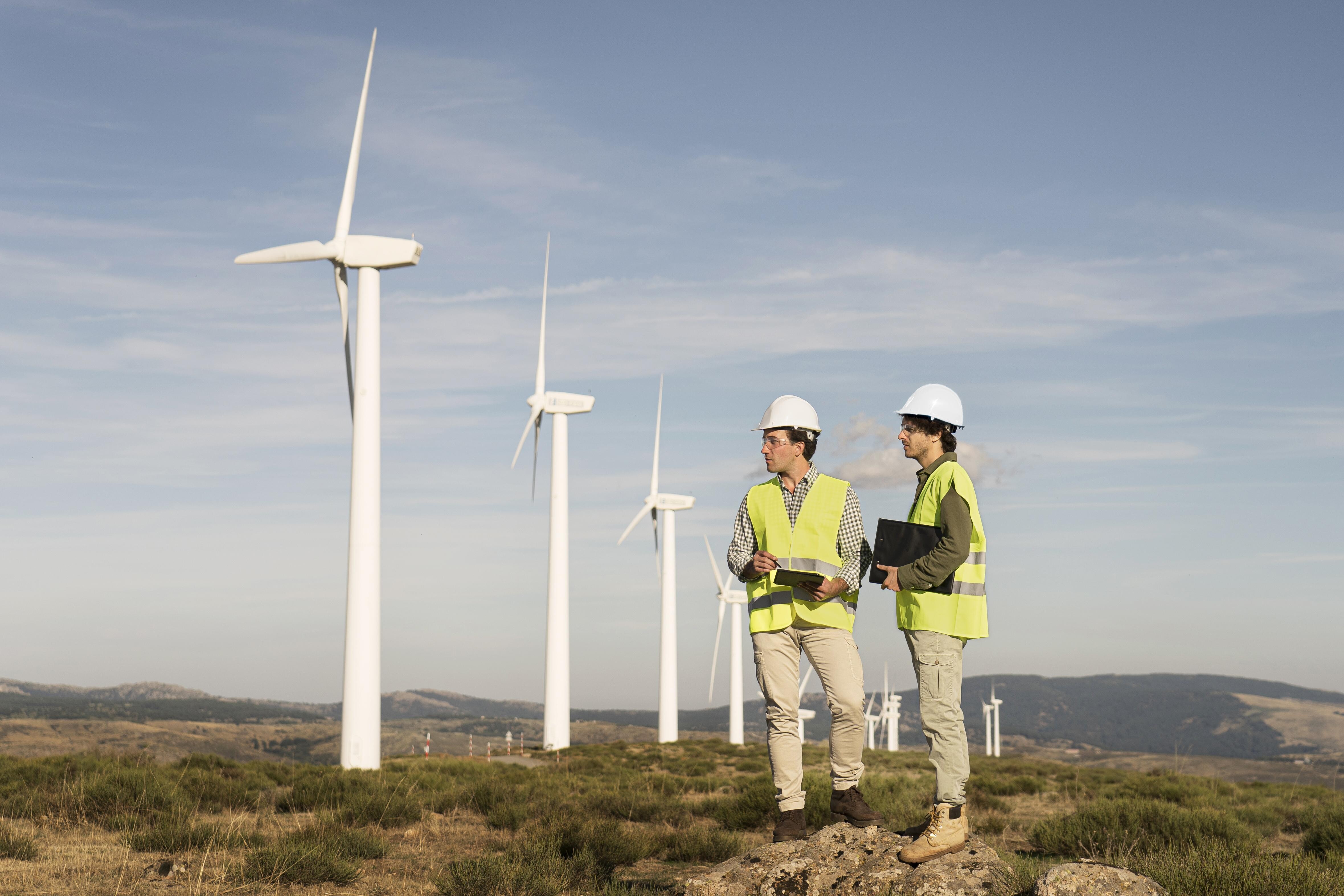
People are more likely to back climate action if they can see tangible benefits, such as job creation. Image: Freepik
- Stories about the impact of climate change can be told from across the world, yet despite greater awareness, global emissions keep rising.
- This gap between awareness and action reflects how the climate story is communicated.
- Moving the focus of climate storytelling from what's scary to what's possible can unlock more ambitious, durable policies.
Stories about the impact of climate change are everywhere – from forest fires and cities ravaged by floods to children marching in the streets.
Yet despite record awareness, global emissions keep rising, and policies often fall short of scientific demands. This gap is not only about economics or technology; it also reflects how the climate story is communicated and how public engagement is shaped by current narratives.
Shifting climate storytelling from fear and despair to agency and possibility can unlock more ambitious, durable policies. Narratives rooted in solutions, justice and co-benefits can help bridge the gap between public concern and concrete political action.
Reshaping climate storytelling
Here's how climate storytelling can shift from fear to agency and why that matters for policy.
1. Reframe the climate story from apocalypse to achievable action
For years, climate storytelling has leaned heavily on doomsday narratives – melting ice caps, rising temperature graphs and warnings of “code red for humanity". The Intergovernmental Panel on Climate Change’s (IPCC) special report Global Warming of 1.5°C was framed around catastrophic impacts of overshooting the threshold, from intensified heatwaves to higher risks of poverty.
While this scientific clarity is crucial, research on public engagement and eco-anxiety shows that fear‑only messaging can overwhelm people, reduce their sense of agency and lead to disengagement when not paired with clear pathways for action.
Climate Outreach, a leading public engagement organization, stresses the need for participation-focused approaches that show how ordinary people and institutions can help shape a sustainable future. This includes telling stories that link ambitious policy to tangible benefits – cleaner air, better jobs and more resilient communities – rather than leaving people paralysed by apocalyptic headlines.
A good example is how many regions frame green industrial strategies. The European Union’s Green Deal is positioned not just as climate policy but as a growth and jobs agenda that modernizes industry, improves public health and strengthens energy security. When framed this way, climate action becomes about opportunity rather than sacrifice, generating broader support for measures such as carbon pricing and large-scale clean infrastructure investment.
When people see realistic, achievable, job‑creating pathways instead of only prohibitions or looming dangers, they are far more likely to back the structural changes needed.
2. Centre people, justice and everyday co-benefits
Climate change is often discussed in parts per million of carbon dioxide or gigatonnes of emissions – units that make sense to scientists and policy-makers but feel abstract to most citizens.
To move from fear to agency, stories must begin with peoples’ lived realities: the air they breathe, the jobs they hold, their families’ health and neighbourhood resilience. Climate storytelling should focus more on personal impacts than impersonal data.
This is where climate justice and just transition narratives become critical. The World Bank and others note that climate change could push millions into extreme poverty by 2030, particularly in vulnerable regions.
At the same time, phasing out fossil fuels without planning for workers and communities can fuel backlash. A just transition narrative links emissions reductions to new skills, alternative livelihoods and improved local environments.
Coal-dependent regions in Europe illustrate this well. In Spain, the government, trade unions and employers negotiated a just transition agreement for miners, including early retirement, reskilling and investment in new activities.
Civil society emphasized not only the climate rationale but also the promise of green jobs, safer working conditions and cleaner air. Framing the transition through dignity, fairness and future opportunities helped secure stronger mandates for coal phase-out.
Similar dynamics appear in the Global South, where frontline communities demand both adaptation and development. Public engagement highlights the value of co-producing narratives that show co-benefits such as reduced indoor air pollution from clean cooking, improved health from better transport and greater resilience to floods and heatwaves.
When climate stories are built around everyday co-benefits rather than distant temperature targets, they turn abstract commitments into priorities that voters and policy-makers feel compelled to act on.
3. Translate powerful stories into policy momentum
Storytelling does not stop at raising awareness or shaping attitudes; it also influences how institutions design and adopt policies. Deliberative democracy experiments such as citizens’ assemblies on climate show how structured storytelling and dialogue create political space for ambitious measures.
France’s Citizens’ Convention for the Climate is a prime example. Commissioned by the French President Emmanuel Macron in 2019, it brought together 150 randomly selected citizens to answer a complex question: how to cut greenhouse gas emissions by at least 40% by 2030 “in a spirit of social justice”.
Over multiple sessions, participants heard from experts and crafted recommendations later translated into legislative proposals, supported by a public law committee. The process was highly visible, with sessions open to observers and extensive media coverage that highlighted not just technical debates but human stories of citizens wrestling with trade-offs.
These narratives – ordinary people designing fair, workable solutions – helped build trust in the recommendations and increased pressure on political leaders to respond. While not all proposals were adopted, the assembly shifted national conversation and showed that citizens, when engaged meaningfully, can support bold policies on housing efficiency, mobility and consumption. Sharing such stories strengthens legitimacy for climate laws and encourages other countries to test similar participatory approaches.
Internationally, how major reports like the IPCC’s 1.5°C assessment are communicated also shapes support and policy momentum. Civil society groups and think-tanks have used its findings to craft narratives that speak to values – intergenerational fairness, responsibility, innovation – in UN climate negotiations and national debates. Climate Outreach’s work has emphasized training spokespeople on the social science of climate communication, recognizing that how science is narrated can expand or constrain political space for ambitious commitments.
Governments, businesses and civil society therefore need to view storytelling as part of the policy toolkit. From youth campaigns that humanize impacts to corporate narratives linking decarbonization with long‑term value, stories can guide sustained policy frameworks.
When co‑created across sectors, grounded in evidence and attentive to justice, such narratives help align public expectations with the scale of transformation required.
From fear to shared responsibility on climate
Moving from fear to agency in climate storytelling is not about downplaying risks or urgency. It is about expanding what is possible and who is included – from scientists and negotiators to workers, youth, local leaders and frontline communities.
When climate stories centre solutions, justice and shared responsibility, they can turn concern into the political will needed for real policy change – from just transition plans for coal regions to citizens’ assemblies that reshape national laws.
In doing so, they help shift the narrative from inevitable catastrophe to collective, achievable action – one that people and policies can credibly rally behind.
Don't miss any update on this topic
Create a free account and access your personalized content collection with our latest publications and analyses.
License and Republishing
World Economic Forum articles may be republished in accordance with the Creative Commons Attribution-NonCommercial-NoDerivatives 4.0 International Public License, and in accordance with our Terms of Use.
The views expressed in this article are those of the author alone and not the World Economic Forum.
Stay up to date:
Transition Finance


Forum Stories newsletter
Bringing you weekly curated insights and analysis on the global issues that matter.
More on Climate Action and Waste Reduction See all

Kanni Wignaraja, Marc-André Franche and Azusa Kubota
March 20, 2026