Opinion
Humanitarian reset: 5 ways to improve how we help people in times of crisis
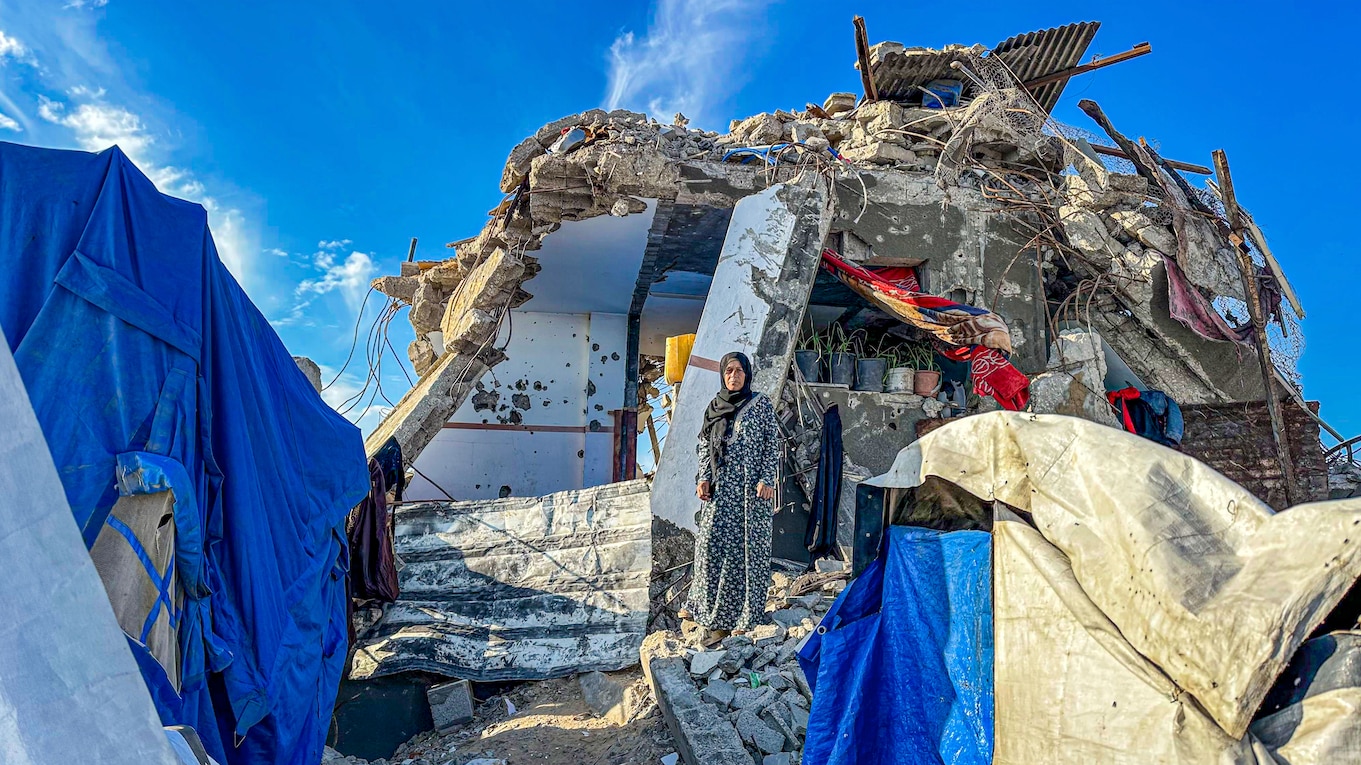
A reset for humanitarian aid would help to reshape what happens in communities from the very first day of a crisis. Image: UNDP/PAPP
Shoko Noda
UN Assistant Secretary-General, UNDP Assistant Administrator and Director of the Crisis Bureau, United Nations Development Programme (UNDP)- Even as people around the world continue to deal with the effects of conflict and climate shocks, humanitarian aid is declining.
- In this environment, responding to crises as if they are temporary disruptions is no longer enough.
- A humanitarian reset is needed to rework how assistance is delivered, improving focus, efficiency and prioritization from day one of a crisis.
Conflicts are lasting longer. Climate shocks are intensifying. Humanitarian needs are rising. Today, 239 million people worldwide are living amid crises that demand an urgent response.
But humanitarian funding is not keeping pace. The 2025 global appeal by the UN Office for Coordination of Humanitarian Affairs (OCHA) sought $47 billion to provide life-saving aid in 32 countries and nine refugee-hosting regions. But it received only $12 billion – the lowest funding in a decade.
Facing widening gaps between needs and resources, the global aid system is confronting an uncomfortable reality: responding to crises as if they are temporary disruptions is no longer enough. As emergencies become protracted and recurrent, the way we respond must change.
What is the 'humanitarian reset'?
This recognition has sparked the “humanitarian reset”. This reform of the humanitarian system is a push to rethink how we deliver humanitarian assistance with greater focus, efficiency and prioritization. But this reset will only be able to achieve its ambition if it reshapes what happens in communities from the very first day of a crisis. From the outset, it must enable the groundwork for long-term recovery and resilience alongside humanitarian relief.
Here are five ways to translate this ambition into action:
1. Prioritize early recovery
Early recovery means restoring essential services, livelihoods and local systems while humanitarian assistance is still underway, so communities can begin rebuilding without waiting for crises to end. It creates an essential bridge between emergency response and longer-term development.
Gaza shows how this can be achieved. Emergency employment programmes supporting health services, education, food production and community-based works have created over 15,000 temporary employment opportunities. This enables families to earn an income while providing essential services. At the same time, debris clearance has reopened access routes and prepared land for critical infrastructure like housing, while giving people a sense of empowerment and hope.
When services remain operational, livelihoods remain active and infrastructure can function, allowing communities to move beyond crisis.
2. Plan humanitarian transitions from the outset
As crisis response moves from humanitarian support to long-term development, it is essential to ensure that responsibility progressively shifts away from externally led delivery towards nationally led responses managed by governments and communities.
This process, known as a humanitarian transition, requires deliberate action from the outset. Development and humanitarian actors must work together to ensure that progress is not lost during this shift.
Through early recovery, local authorities are equipped to resume responsibility for governance, service delivery and reviving local economies. At the same time, jobs, skilling and psychosocial support empowers people to regain confidence and sense of community. As local institutions strengthen and communities participate, the foundations for locally led progress are restored, and the humanitarian transition can be accelerated.
Take the case of Iraq, where transition planning has focused on strengthening local systems to manage growing demands as humanitarian needs evolved over time. As 4.9 million displaced people have returned to the country, stabilization efforts empowered local authorities to resume responsibility for managing services and infrastructure, while community-led programmes supported reintegration and social cohesion. This ensured that national and local institutions were ready as international support scaled down.
3. Focus on reducing need
Humanitarian action is essential to save lives, but success should also be measured by how quickly and sustainably reliance on external humanitarian aid declines. When development is delayed, governments and communities are forced to focus on immediate crises rather than long-term resilience. This leaves them with fewer resources to cope with every new shock and causes dependency on external support to persist.
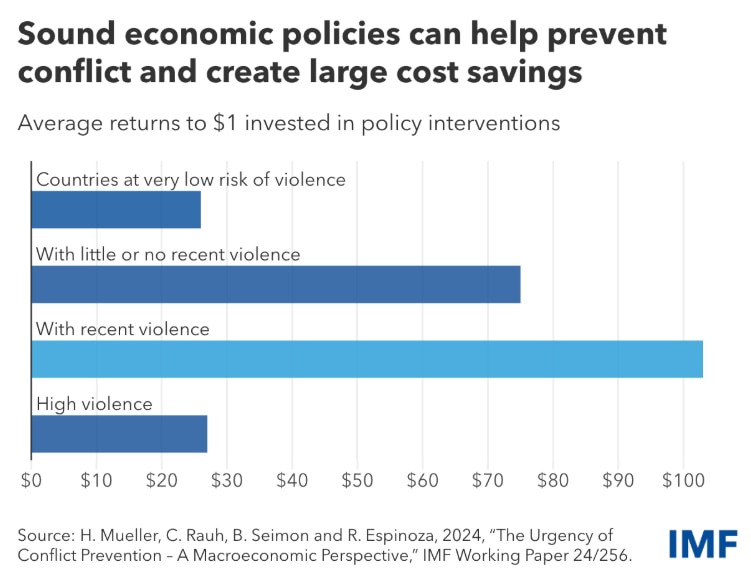
Investing early in building self-reliance can help to break this cycle. Research from the International Monetary Fund (IMF) estimates that every $1 invested in prevention could save between $26 and $103 in possible conflict-related costs. In practice, this translates into supporting resilient livelihoods, strengthening governance and maintaining essential services while making them more resilient to future crises.
Reducing need does not mean reducing humanitarian commitment. It means designing emergency assistance programmes in a way that restores national systems and builds local capacities, addressing the root causes of crises while reducing future risk.
4. Strengthen national and local leadership
Long-term progress depends on institutions and communities being able to drive decisions and manage needs themselves. When national and local actors are equipped to plan and coordinate, crisis response is better aligned with community needs and more likely to endure.
In Ukraine, conflict-affected communities are restoring local administration spaces to serve both as service centres and community hubs. As people return, these spaces help local authorities coordinate social services, community planning and everyday governance. They can work alongside residents and civil society groups to identify priorities and allocate resources.
Rebuilding governance capacity alongside physical infrastructure helps communities respond to changing needs and shape their own future. Strong local leadership creates continuity and helps sustain progress over time.
5. Engage the private sector
The private sector is a key partner in recovery. Businesses, investors and local enterprises often function as first responders themselves, helping to restore markets, generate employment and restart local economic activity alongside development actors. As crises grow more complex and traditional aid resources face growing pressure, private sector participation is vital to support recovery efforts at scale.
A initiative to strengthen the crisis readiness of airports illustrates this. Established in 2009 as a public-private partnership between the United Nations Development Programme (UNDP), DHL Group and Airports Council International (ACI), it has so far been implemented in more than 60 airports across 28 countries. Private sector aviation and supply-chain specialists train airport authorities and disaster management officials to manage sudden surges of relief cargo and emergency personnel. This would allow essential humanitarian operations to function during a crisis.
Where humanitarian action meets development
In Colombia, I recently met people whose lives had been shaped by decades of conflict and displacement. Once on opposite sides, they are now sitting together to rebuild trust and imagine a shared future.
Their journey shows how humanitarian support, dialogue and development can come together to help communities move forward. What stood out was how local leadership and opportunity were helping to turn fragile progress into lasting change.
The real promise of the humanitarian reset is turning recovery into a pathway to solidarity and sustained progress.
Don't miss any update on this topic
Create a free account and access your personalized content collection with our latest publications and analyses.
License and Republishing
World Economic Forum articles may be republished in accordance with the Creative Commons Attribution-NonCommercial-NoDerivatives 4.0 International Public License, and in accordance with our Terms of Use.
The views expressed in this article are those of the author alone and not the World Economic Forum.
Stay up to date:
Humanitarian Action


Forum Stories newsletter
Bringing you weekly curated insights and analysis on the global issues that matter.
More on Global CooperationSee all

Alireza Haghighi and Khalid Alaamer
February 24, 2026


