Iran conflict disrupts oil and gas supply – and more top energy stories
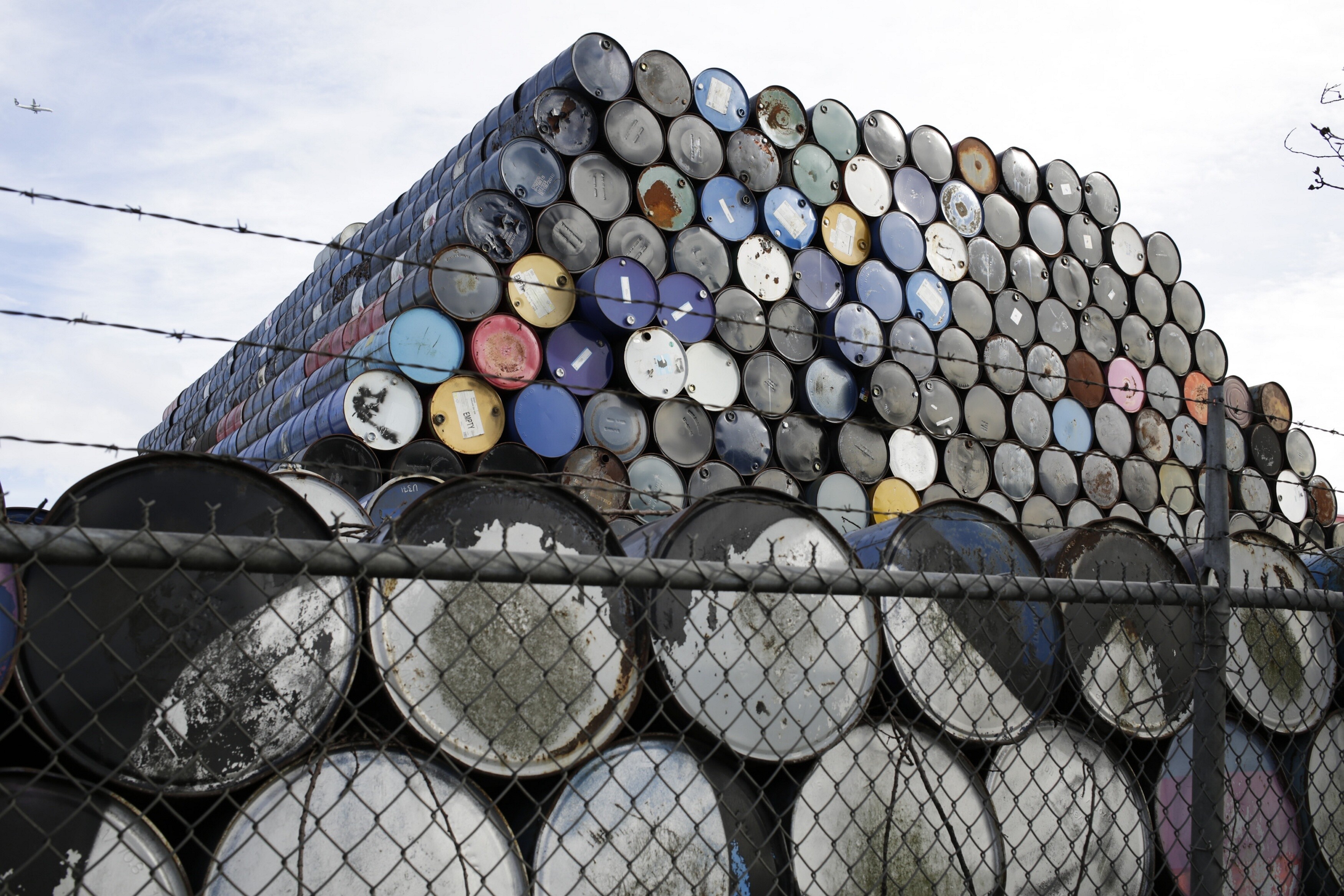
Global oil prices have surged. Image: REUTERS/Jason Redmond
Roberto Bocca
Head, Centre for Energy and Materials; Member of the Executive Committee, World Economic Forum- This round-up brings you the key stories from the energy sector over recent weeks.
- Top energy news: Iran conflict disrupts global energy flows; IEA orders record stockpiled oil release; LNG risks a “wake-up call” for Southeast Asia energy security.
- For more on the World Economic Forum’s work in the energy space, visit the Centre for Energy and Materials.
1. Iran conflict disrupts global energy flows
The conflict in Iran has exposed vulnerabilities in global energy supplies as key shipping routes and energy infrastructure across the Middle East continue to be affected.
Around a fifth of the world's global crude and natural gas supply has been suspended amid attacks on infrastructure and disruption to the Strait of Hormuz, a vital passage for oil and liquified natural gas (LNG).
The disruption to traffic through the Strait has forced the region’s oil producers to suspend shipments and oil fields to cut production. Global oil prices have surged by more than 25%, driving up fuel prices for consumers and businesses worldwide.
There are also concerns that the disruption could affect food security, as significant volumes of the world's fertilizer are shipped through the Strait.
Import-reliant countries such as many in Asia, which sources 60% of its crude oil from the Middle East, have been forced to curb fuel exports to protect domestic supplies.
Europe, which had turned to LNG imports instead of Russian pipeline gas after the invasion of Ukraine, has been left needing to replenish low gas stockpiles while major exporter Qatar is offline. In a speech at the 2026 Nuclear Energy Summit, European Commission President Ursula von der Leyen said that the crisis was a "stark reminder" of the vulnerabilities created by relying on other regions for its oil and gas. In this context, von der Leyen said Europe needed to invest more in nuclear energy, alongside renewables, as a reliable, affordable source of low-emissions power.
Importing countries in Africa are also susceptible to shocks including hits to GDP and fuel shortages.
China, meanwhile, relies on the Strait of Hormuz for about half of its crude imports and a third of its LNG imports. Yet over the longer term, some analysts argue China may be better positioned than other importers due to its electrification push.
Its move towards becoming an electrostate has reduced its exposure to oil shocks. And as more importers look towards electrification to become less reliant on oil and gas markets, they could in turn increase their dependence on China due to its dominance of clean energy supply chains.
2. IEA orders largest ever stockpiled oil release
In a bid to help calm the oil price shock triggered by events in Iran and the Middle East, the IEA has ordered the largest release of government oil reserves in its history.
The energy organization – which was founded in 1974 to ensure the security of oil supplies – said its members had agreed to release about 400 million barrels of emergency crude, which will be made available to the global market. More than double the IEA’s previous largest release, it makes up a third of the group’s total government stockpiles.
“Oil markets are global so the response to major disruptions needs to be global, too,” Faith Birol, IEA Executive Director, said in a press statement. “Energy security is the founding mandate of the IEA, and I am pleased that IEA members are showing strong solidarity in taking decisive action together.”
3. News in brief: More energy stories from around the world
LNG risks related to the Iran conflict have been called a “wake-up call” for energy security in Southeast Asia. With many countries in the region relying heavily on imported LNG from the Gulf, experts warn that they should rethink their energy systems.
The conflict in the Middle East has also brought Japan’s reliance on imported fossil fuels into focus. The country relies on the region for about 95% of its crude oil and 11% of its LNG imports – roughly 70% and 6% respectively are shipped through the Strait of Hormuz.
Meanwhile India – whose crude oil, LNG and liquefied petroleum gas (LPG) supplies have been disrupted since traffic through the Strait has been halted – has called for consumers not to panic about gas demand and conserve energy where possible. Its federal government has invoked emergency powers ordering refiners to maximize production of LPG.
And in Bangladesh, which relies on imports for 95% of its energy needs, universities were closed as part of emergency measures to conserve electricity.
The European Commission has launched a new strategy to accelerate clean energy investment. The strategy, backed by over €75 billion ($86 billion) in financing by the European Investment Bank, aims to derisk projects and attract investors to help finance clean technologies, energy efficiency and modernize grids and infrastructure. The strategy is key to increasing competitiveness, security and decarbonization, it said.
China's clean energy surge has been affirmed in its latest five-year plan, the Financial Times reports. The plan calls for the country’s continued development of a clean, low-carbon, safe and efficient energy system, with continued additions of wind, solar, hydro and nuclear power. Its economy still, however, remains reliant on coal.
The UK has switched on its first geothermal power plant. After two decades in development, the plant in Cornwall will pump hot water from underground to spin electricity-generating turbines to meet the power needs of up to 10,000 homes. The project will also provide the nation’s first domestic supply of lithium, a critical mineral used in green technology such as electric vehicle batteries.
4. More on energy from Forum Stories
Amid the intensifying climate crisis, the power sector is increasingly vulnerable to water-related issues, while also exacerbating water stress. Scaling renewables, which have lower water consumption, will be crucial to managing the situation and the future of energy.
Buildings’ traditional role as energy consumers is shifting as retrofitting measures, AI-powered management systems and distributed energy technologies become more and more prevalent. Flipping the traditional energy model on its head, instead of passively consuming energy from distant sources, it is now possible for buildings to generate, store and manage power much closer to where it is used.
In Africa, production of iron ore – which can be used to create steel that underpins much essential infrastructure – is set to rise, with expectations that it will exceed 200 million tonnes annually by the early 2030s. By boosting domestic steelmaking alongside investing in the iron ore industry, the continent can create a more competitive and resilient industrial base.
License and Republishing
World Economic Forum articles may be republished in accordance with the Creative Commons Attribution-NonCommercial-NoDerivatives 4.0 International Public License, and in accordance with our Terms of Use.
The views expressed in this article are those of the author alone and not the World Economic Forum.

Forum Stories newsletter
Bringing you weekly curated insights and analysis on the global issues that matter.
More on Energy TransitionSee all

Mark Esposito
March 18, 2026


