The cities on the frontline of the water crisis – and other urban transformation stories to read this month
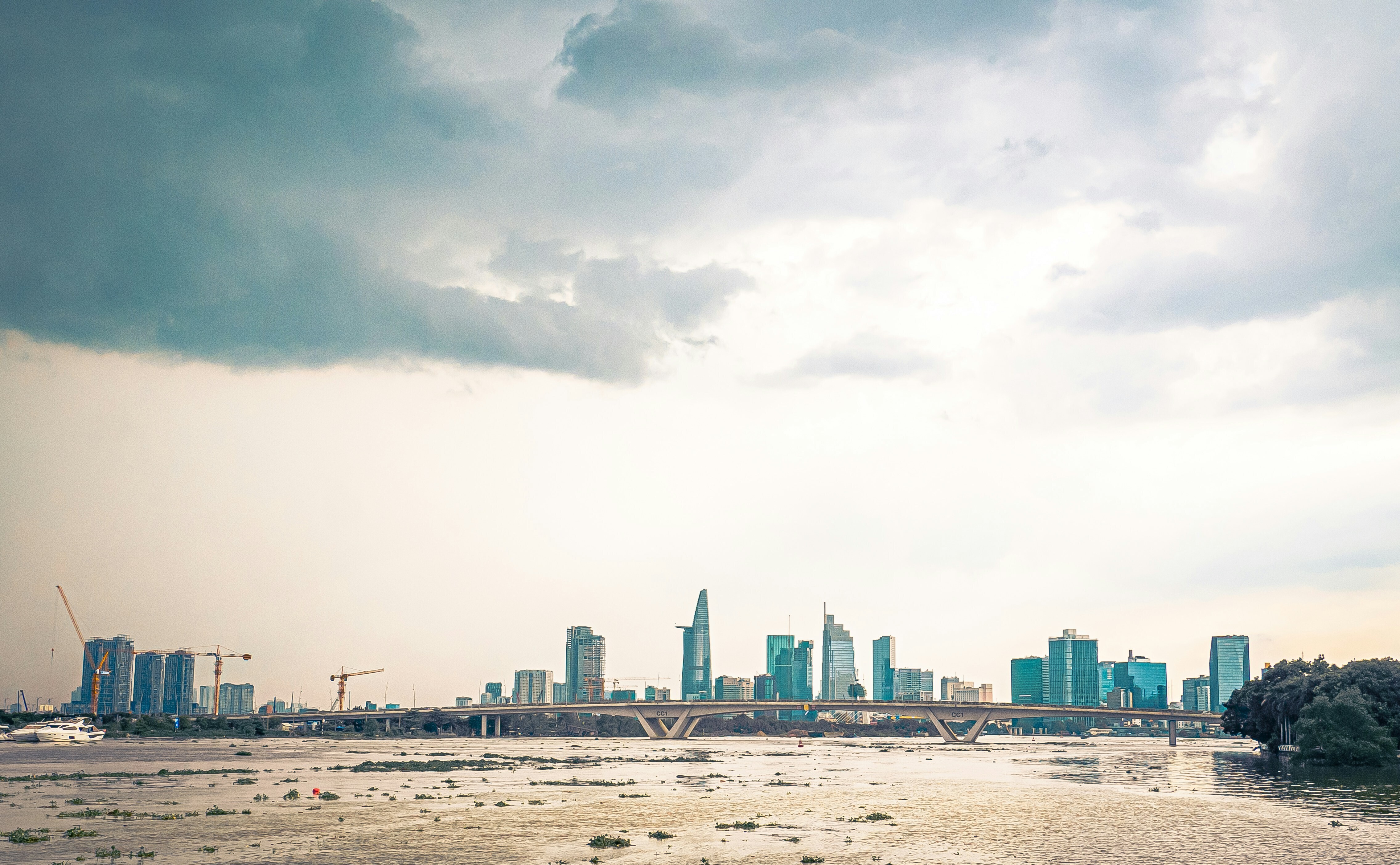
Cities around the world, like Ho Chi Minh City in Viet Nam, are struggling with water security. Image: CreateTravelTV/Unsplash
Jeff Merritt
Head of Centre for Urban Transformation; Member of the Executive Committee, World Economic Forum- This monthly round-up brings you some of the latest news on local economies and experiences.
- Top stories: World Bank launches platform to boost water security; Earth getting brighter at night due to urbanization; Airlines face disruption in Middle East.
- For more on the World Economic Forum’s city-focused work, visit the Centre for Urban Transformation.
1. Cities on the frontline: Water, climate and the urban crisis
Cities worldwide are confronting an accelerating climate reality: water – either too much, too little or too polluted – is becoming the defining urban challenge of our era.
The World Bank warns that global freshwater demand could exceed supply by 40% before 2030, with climate change disrupting rainfall patterns and intensifying both droughts and floods.
Since 2000, more than 80 major cities – including Cape Town, São Paulo and Chennai – have endured extreme water crises. Rapidly growing urban centres in the Global South face the sharpest risks, where rising populations collide with shrinking reserves.
With Earth Day on 22 April, the World Bank and partner development banks launched Water Forward, a global platform targeting water security for one billion people by 2030.
The initiative, initially focusing on 14 water-scarce nations across Africa, the Middle East and South Asia, will prioritize reducing urban water loss, modernizing irrigation and expanding data-driven planning.
A new Forum report, Flood Adaptation Infrastructure Innovations from Japan, shows what Japan can teach the world about flood preparedness. By adopting a culture of continuous learning, its ongoing testing and innovation offers a global model.
Meanwhile, San Francisco, Bengaluru and Tokyo are proving sustainability and growth go hand in hand. Across these cities, climate action is being turned into an engine of economic growth through collaboration between governments, businesses and innovators. Green investment, startup ecosystems and new technologies are driving resilience, innovation and new market opportunities.
2. Satellite data shows Earth getting brighter at night – in places
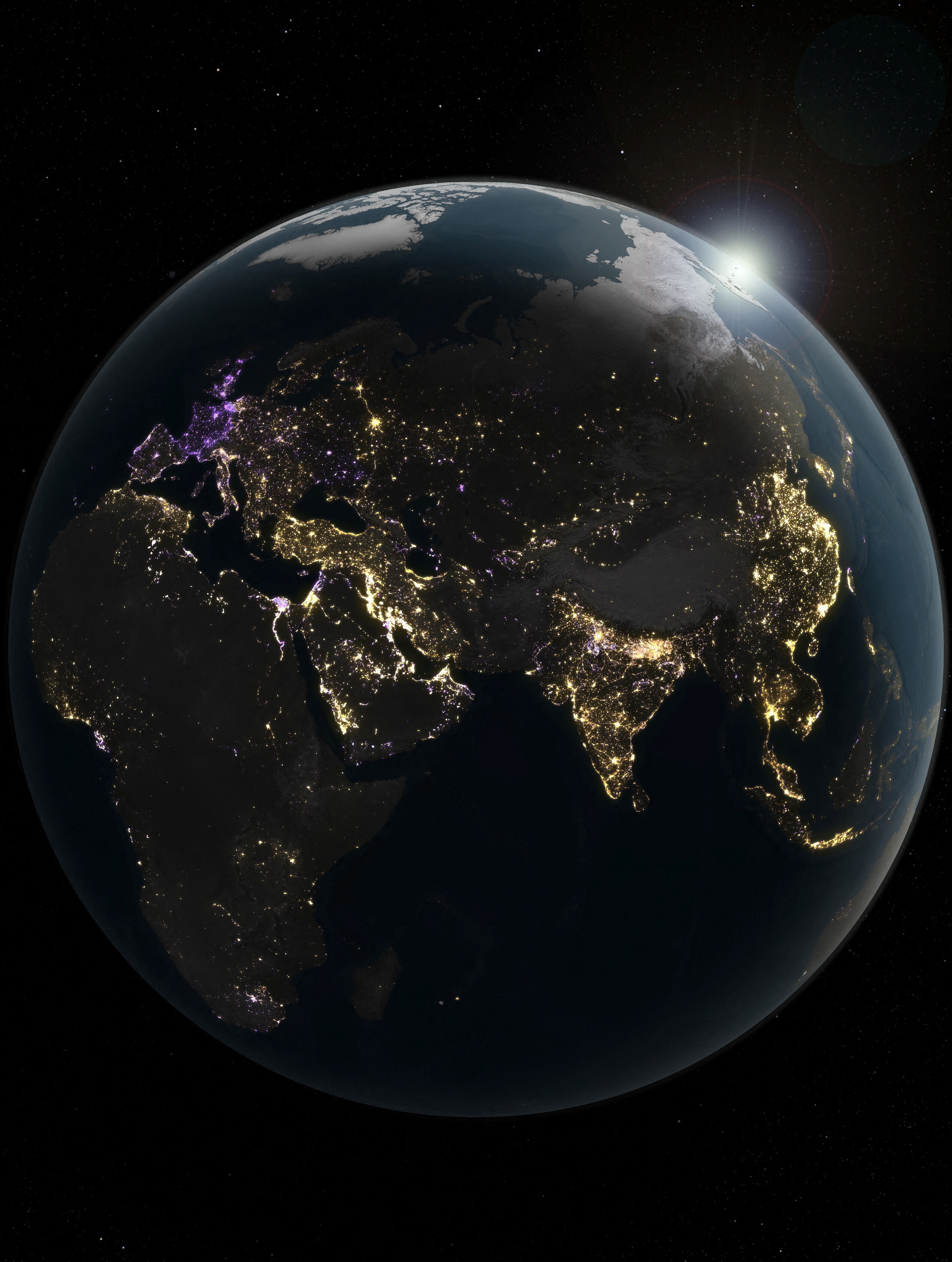
New satellite research shows the Earth is getting steadily brighter as populations grow, Reuters reports.
But it's not consistent across the globe, with some regions dimming while others brighten, depending on a variety of factors.
Analysis of over a million daily images taken between 2014 and 2022 reveals global night-time lighting rose by 16% – but the picture is far more complex.
Rapid urbanization is driving the sharpest increases in sub-Saharan Africa and Southeast Asia, while France cut its brightness by 33% by switching off streetlights after midnight.
Light pollution disrupts wildlife, human sleep patterns and astronomy. The findings, published in Nature, show that smarter urban lighting policy – not simply less light – is the key to reversing the trend.
3. News in brief: More top city stories
Asia-Europe airline routes boom amid Gulf disruption: Major Asian carriers, including Cathay Pacific and Singapore Airlines, are reporting surging demand on European routes, as travellers reroute away from disrupted Middle Eastern hubs following the Iran conflict. Gulf carriers Emirates, Qatar Airways and Etihad are gradually rebuilding capacity but are currently operating at just 60% of pre-conflict flight levels.
Dubai caps foreign flights, hitting Indian airlines hardest: Dubai has restricted foreign airlines to one daily flight to its airports until 31 May due to the Iran crisis, with Indian carriers set to be worst affected – Air India and Air India Express alone had scheduled more than 750 flights into Dubai for that period. India's Federation of Airlines has urged the government to push for the curbs to be lifted or impose reciprocal measures on Emirates and flydubai.
Tesla rolls out robotaxis in Dallas and Houston: Tesla has launched unsupervised robotaxi rides in Dallas and Houston, expanding its autonomous service beyond Austin and the San Francisco Bay Area for the first time, with CEO Elon Musk personally confirming the rollout on X. The launches form part of an expansion plan that will next target Phoenix, Miami, Orlando, Tampa and Las Vegas.
Uber commits $10 billion to autonomous vehicles: Uber has pledged more than $10 billion to buy thousands of autonomous vehicles and take equity stakes in their developers, to avoid being disrupted by the robotaxi revolution, the Financial Times reports. The company has outlined plans to launch robotaxi services in at least 15 cities this year, with partners including Baidu and Rivian.
China home prices keep falling despite bright spots in big cities: China's new home prices fell 0.2% in March and were down 3.4% year-on-year – the steepest annual drop in 10 months – even as Shanghai and other major cities recorded modest month-on-month gains.
Americans snapping up luxury homes in Spain: US property purchases in Spain rose 3% last year, despite an overall dip in foreign buying, with real estate agents citing concerns over Trump administration policies as a key driver. American buyers now spend around 29% more than the average foreign buyer in Spain.
4. More on urban transformation on Forum Stories
Cities are central to the climate transition, with buildings, energy, transport and urban design offering interconnected opportunities to cut emissions. New analysis highlights how tools like Green City Action Plans are helping cities align climate goals with investment and policy.
In Japan, buildings account for around 40% of total emissions, underscoring the importance of energy-efficient materials. With government support accelerating innovation, new approaches are reducing costs while improving performance and comfort.
License and Republishing
World Economic Forum articles may be republished in accordance with the Creative Commons Attribution-NonCommercial-NoDerivatives 4.0 International Public License, and in accordance with our Terms of Use.
The views expressed in this article are those of the author alone and not the World Economic Forum.

Forum Stories newsletter
Bringing you weekly curated insights and analysis on the global issues that matter.
More on Built Environment and InfrastructureSee all

Filip Koprčina
August 27, 2026


