What leaders are saying about the renewed geopolitics of energy
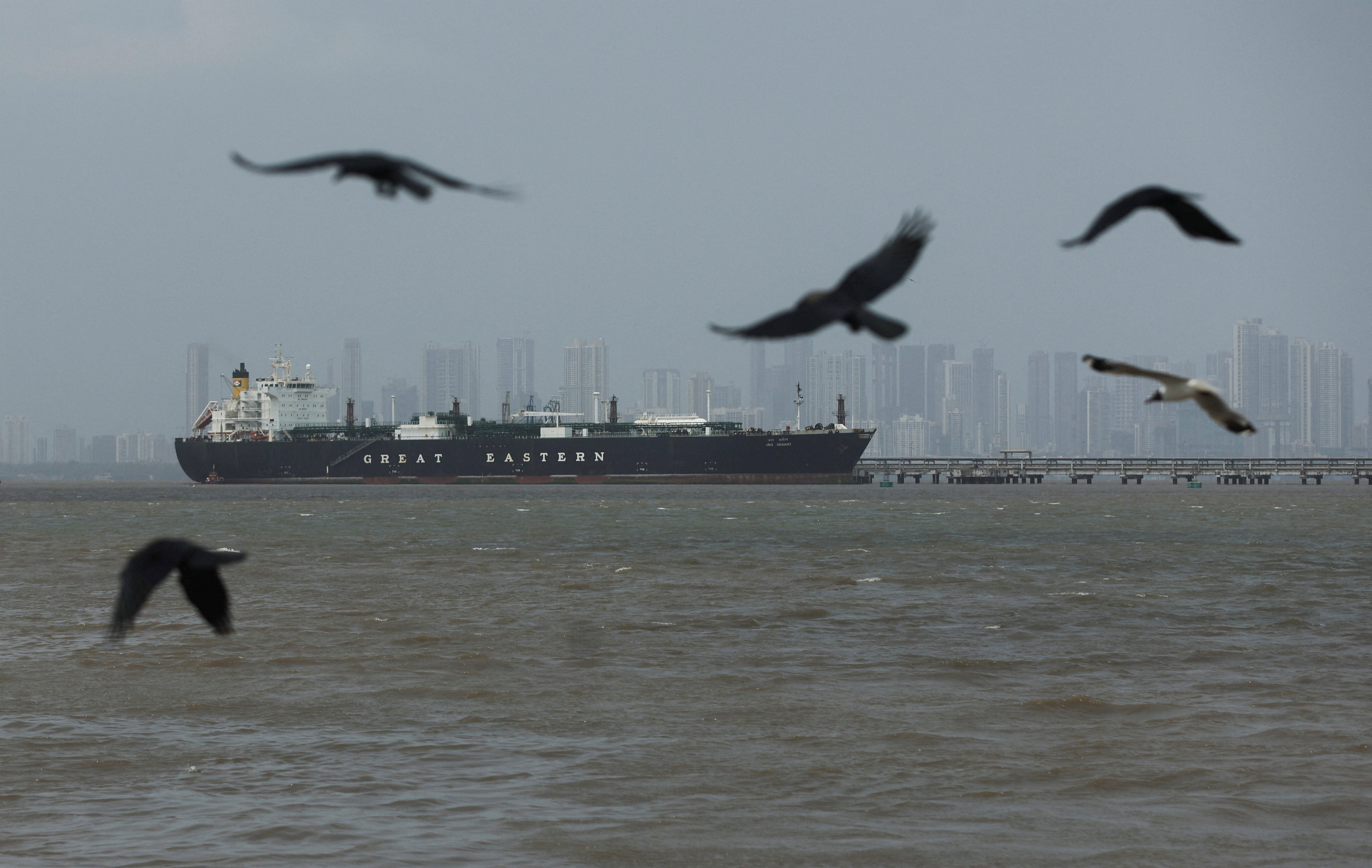
In March, the Forum convened its Chief Geopolitical Executives Community, where leaders exchanged on the geopolitics of energy. Image: REUTERS/Francis Mascarenhas
- The Middle East conflict is upturning energy markets locally and globally, and exposing a new method of geopolitical confrontation.
- The conflict is also extending beyond oil, disrupting diplomacy globally between some of the world's most important economies.
- The World Economic Forum convened its Chief Geopolitical Executives Community, where leaders shared insights on the new geopolitics of energy.
Energy and geopolitics have once again become deeply intertwined. For much of the post-Cold War period, relative energy stability was often taken for granted, even as markets remained globally interconnected. That assumption is now breaking down.
From supply shocks to transit reconfigurations, energy is re-emerging as a central component of national security considerations and global power dynamics.
Against this backdrop, the World Economic Forum convened its Chief Geopolitical Executives Community on 10 March, for a discussion in partnership with the Atlantic Council on “Power Plays: The New Geopolitics of Energy”.
Bringing together senior executives focused on geopolitics, trade and global affairs, the session explored recent developments in the Middle East and their implications for energy markets and systems, as well as how wider geopolitical shifts are reshaping energy strategies and, in turn, how energy considerations are influencing geopolitics.
Here is what the world’s top political and energy executives had to say about the new geopolitics of energy.
Uncertainty and politicization of energy lies ahead
The war in Iran has brought a critical share of global energy flows under acute strain. The Strait of Hormuz, which typically carries around 20–25% of global seaborne oil trade and about 20% of global liquefied natural gas trade, has seen flows fall to a fraction of normal levels. Some Gulf producers have taken production offline or curtailed operations as export routes remain constrained.
Against this backdrop, the International Energy Agency has described the crisis as “the greatest global energy security threat in history”, with volumes of oil and gas affected surpassing those seen during the 1970s oil shocks. While it remains too early to determine the full duration and long-term implications of the conflict, early indications suggest that restoring energy flows from the Gulf could take months, even in the event of de-escalation.
In the highly integrated system that long defined the global economy, weaponizing energy carried high risks due to deep interdependencies and strong economic ties. While today’s geopolitical landscape is more fragmented, the global energy system itself remains deeply interconnected, meaning that disruptions in one region can rapidly reverberate across markets worldwide. This combination of geopolitical fragmentation and market integration is reinforcing the role of energy, alongside other forms of critical infrastructure, as a powerful instrument of statecraft, while amplifying the global impact of its disruption, as reflected in emergency measures taken by several energy-importing countries.
Developments in Iran illustrate this shift starkly. Energy transit routes are themselves becoming operational levers in geopolitical confrontation, where the disruption or threat of disruption can generate immediate global effects.
The coordinated release of 400 million barrels from International Energy Agency emergency reserves, the largest such intervention in its history, underscored both the scale of the shock and the limits of available policy responses. At the same time, oil prices have surged and remained highly volatile, fluctuating above $100 per barrel amid continued uncertainty over supply. Together, these dynamics illustrate the immediate market disruption and broader strategic consequences associated with the weaponization of energy in the current geopolitical environment.
What happens in the Middle East has global implications
Developments in Iran underscore a broader reality: despite a more fragmented and contested global landscape, markets and geopolitics are highly integrated.
Since the outbreak of the conflict in the Middle East and the subsequent disruption to oil flows through the Strait of Hormuz, prospects for renewed diplomatic pathways in Ukraine have become more uncertain. The Gulf conflict is also beginning to affect broader diplomatic engagement, including the postponement of a planned summit between US President Donald Trump and Chinese President Xi Jinping, underscoring how rapidly evolving developments in the region are shaping global relations.
But the central global dynamic has seen disruption to energy markets. With significant volumes of Gulf oil unable to transit, the United States announced a temporary easing of certain oil-related sanctions to mitigate supply shortages and stabilize markets. Such measures may alter global supply dynamics, including by increasing the availability of Russian crude, providing a potential boon for the Russian economy. Shifts in energy flows and pricing could, in turn, affect the broader geopolitical calculus surrounding the Ukraine conflict.
How major global players are responding
Likely US policy responses include greater emphasis on domestic production, reduced reliance on China-linked electricity and mineral supply chains and renewed interest in nuclear energy.
China has sought to position itself as a source of stability amid growing geopolitical volatility, using recent high-level engagements with global business leaders to emphasize the resilience of its economy and the reliability of its supply chains. This contrast in positioning reflects the broader strategic competition shaping global energy and economic systems.
Beyond bilateral dynamics, the scale of current disruptions is also driving renewed global coordination, as industry leaders, policymakers and investors gather at major international energy forums to assess supply risks and market responses, but also to explore evolving geopolitical alignments and new forms of collaboration reshaping the global energy landscape.
Don't miss any update on this topic
Create a free account and access your personalized content collection with our latest publications and analyses.
License and Republishing
World Economic Forum articles may be republished in accordance with the Creative Commons Attribution-NonCommercial-NoDerivatives 4.0 International Public License, and in accordance with our Terms of Use.
The views expressed in this article are those of the author alone and not the World Economic Forum.
Stay up to date:
Geopolitics
Related topics:


Forum Stories newsletter
Bringing you weekly curated insights and analysis on the global issues that matter.
More on Geo-Economics and PoliticsSee all

Oliver Jabbour
April 2, 2026