How a 700-year-old technology can boost productivity and transform lives
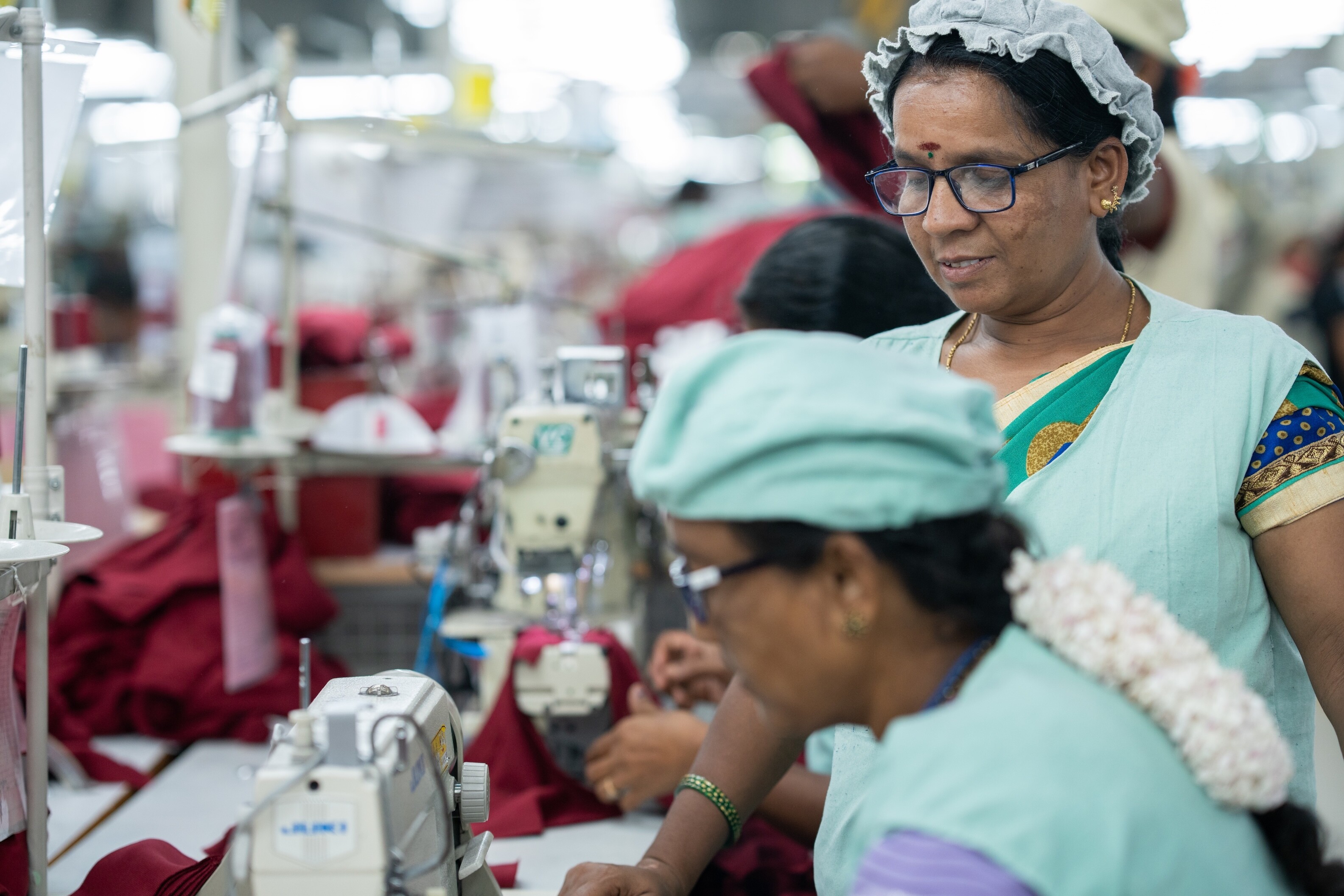
Sometimes the most impactful innovation is to fully utilize technology we already have. Image: Priyanka Mukherjee/VisionSpring
- While global spending focuses heavily on AI, a simple pair of eyeglasses can immediately boost worker productivity.
- New research proves that providing reading glasses to near-vision workers increases output and reduces costly errors.
- Investing less than $10 per employee delivers massive economic returns and significantly improves worker quality of life.
In boardrooms and among governments across the world, conversations are being dominated by how artificial intelligence (AI) can revolutionize productivity and drive economic growth. A huge amount of time and money is being directed at how to capitalize on the technology and use it to drive growth in countries across the world – recent figures show that worldwide spending on AI will reach $2.5 trillion in 2026.
While AI undoubtedly represents the next frontier, in the search for productivity gains businesses would do well to make sure they are making the most of existing technology. There is a growing body of evidence that shows a simple pair of eyeglasses, a technology that is 700 years old, has the power to boost productivity and improve livelihoods for a fraction of the spend on AI and with immediate impact.
For industries that rely on near vision, from factory workers to farmers, especially in low-income countries, this is a huge opportunity. For only a few dollars per worker we can boost struggling sectors and improve the lives of millions of people.
How eyeglasses boost economies
New research, published in the British Journal of Ophthalmology, shows that when sewing machine workers with presbyopia – age-related near vision loss – received a pair of glasses, they completed garments faster and with fewer mistakes. This meant less wasted material and an increase in their productivity of 6%.
A productivity increase on this scale would add up to $27 billion in additional annual output to the global textile and garment industry.
The randomized controlled trial, PROSPER II, was the first of its kind conducted in a factory setting, and found that one in four (27%) sewing machine operators were suffering from poor near vision and did not own a pair of glasses.
What makes this research so compelling is its sheer cost-effectiveness. The full intervention, including vision screening, provision of glasses and wear-adherence support, costs under $10 per worker. This modest investment returned $3.37 for every $1 spent, a 337% ROI, over just the three-month study period.
Moreover, PROSPER II adds to a growing body of evidence that shows how vision correction not only improves economic and health outcomes, but supports sustainable development.
It’s not just in factories where near vision glasses have been shown to have an impact. The productivity of tea garden workers in Assam India went up by 22% when they were provided with glasses, while another recent study in rural Bangladesh found that a pair of reading glasses increased earnings in low-income communities by 33% across a variety of occupations. This study also measured the impact of glasses on the recipient’s quality of life and found a significant effect, boosting their sense of independence and ease of doing daily tasks.
The evidence is clear. Glasses deliver productivity gains that can be applied to any job that requires clear vision – whether that’s factory work, or tea picking, cocoa farming or artisan crafts, or any job that requires working with a screen.
The economic imperative
Over the past decade, The Chen Yet Sen Family Foundation has collaborated with non-profits including VisionSpring as part of an effort across the vision sector to build the evidence base for the economic impact of eyeglasses. Now that this evidence base exists, and proves irrefutably that eyeglasses make people better workers across a wide range of sectors and jobs, it’s time for government and business to give this effort the attention it deserves. There are an estimated 1.1 billion people worldwide currently living with avoidable sight loss, resulting in an estimated $447 billion global annual productivity loss.
Our hope is that businesses will see the potential benefits for themselves and their employees, and roll out vision correction across their organizations. Shahi Exports, India’s largest manufacturer, which participated in the PROSPER II trial, allowing their factories to be used for the study, are convinced. They are one of a growing number of factories that have committed to a free vision screening programme for all of the 100,000 workers across their entire factory network. But this isn’t an opportunity just for factory owners – it’s a chance for the global brands that buy from them to work with their suppliers to implement an intervention that improves the lives of workers and helps the factories at the same time.
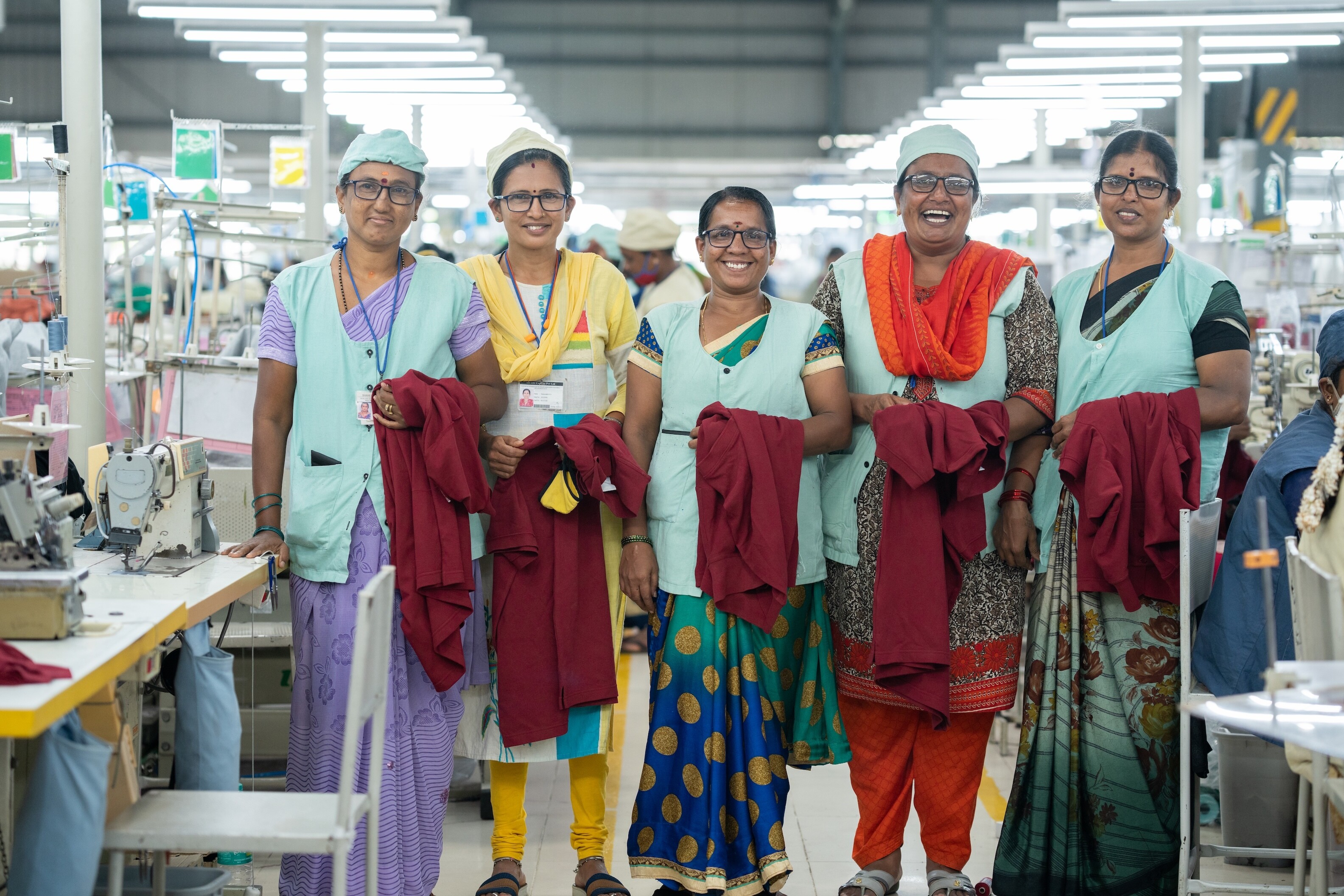
There is also a real economic opportunity for governments. In countries such as Bangladesh, the garment industry is hugely important to the economy – comprising more than 80% of the country’s export earnings. The sector is under strain from tariffs, high energy prices and intense competition, and factories have been closing as a result. Governments should see vision correction as a win-win. By incentivizing eye care as a workplace benefit and implementing programmes that dispense eyeglasses, ministries of labour and national governments can improve the lives of their citizens, and inject greater productivity into their economy.
It is time for governments and companies around the world to invest more in eye care. By correcting a global blind spot, we can transform lives, empower workers, and unlock billions of dollars in economic value currently hiding in plain sight.
In our search for the next productivity breakthrough, we do not always need to invent something new. Sometimes, the most impactful innovation is to fully utilize the technology that we already have.
Note: The study was implemented by VisionSpring and Good Business Lab, with academic leadership from Queen's University Belfast, University of Michigan, and University of California San Diego. It was funded by USAID, The Chen Yet-Sen Family Foundation and the Livelihood Impact Fund.
Don't miss any update on this topic
Create a free account and access your personalized content collection with our latest publications and analyses.
License and Republishing
World Economic Forum articles may be republished in accordance with the Creative Commons Attribution-NonCommercial-NoDerivatives 4.0 International Public License, and in accordance with our Terms of Use.
The views expressed in this article are those of the author alone and not the World Economic Forum.
Stay up to date:
Economic Growth


Forum Stories newsletter
Bringing you weekly curated insights and analysis on the global issues that matter.