If your smartwatch can reveal your body's true age, what does this mean for healthy ageing?
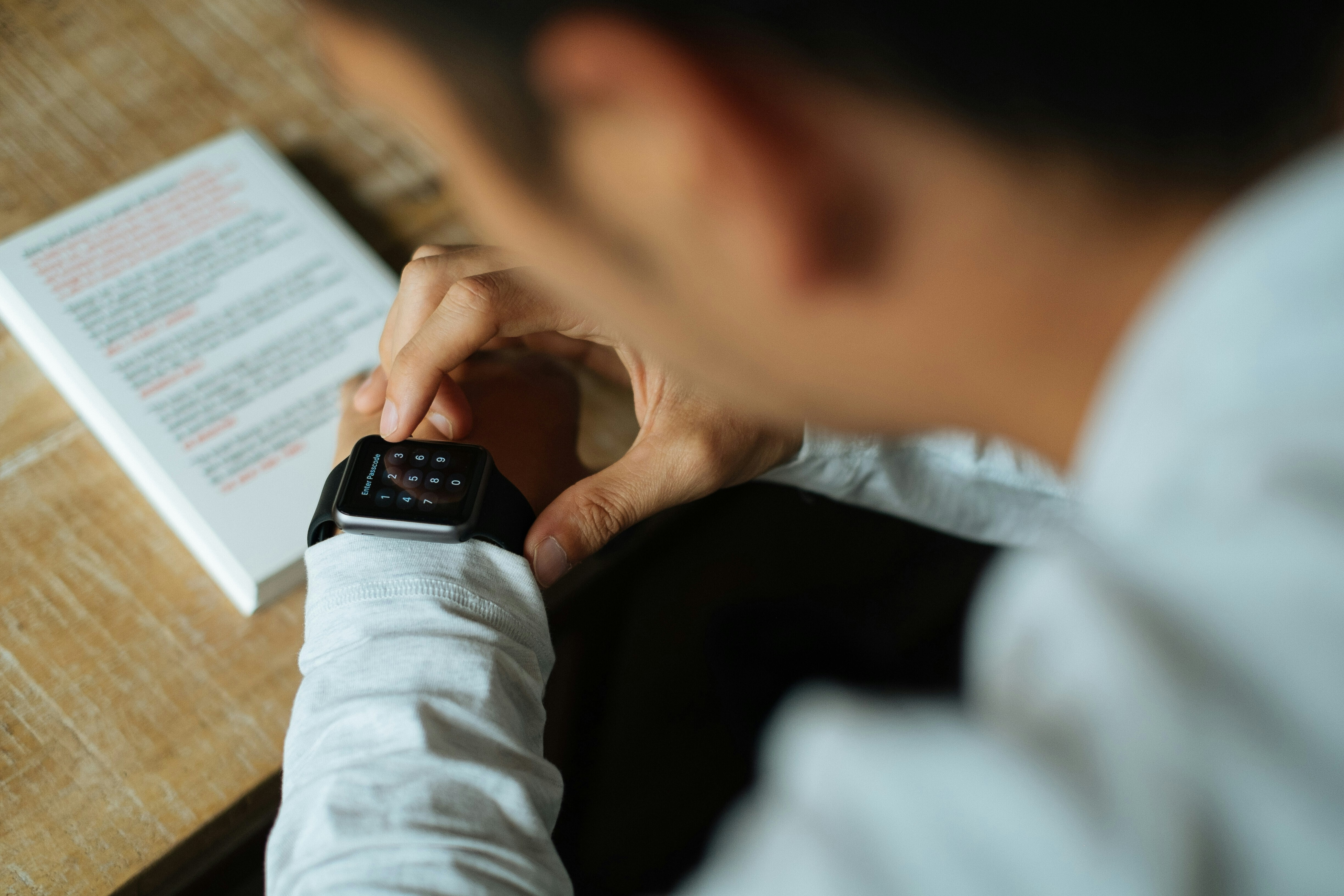
Healthy ageing: Wearable devices such as smartwatches could help with much more than counting steps. Image: Unsplash/LukeChesser
- Wearable devices are not only personal health tools, they could become part of a broader digital infrastructure for healthy ageing.
- Combined with traditional assessments, they can generate timely, real-world information about how people age, what puts them at risk of illness and where support is most needed.
- Used responsibly, digital device data could support healthy ageing, reduce pressure on health systems and build resilience.
What if the device on your wrist could reveal more to you than how many steps you took today or how well you slept last night? What if it could also tell you how fast your body is ageing?
This is no longer science fiction. The same wearable devices people already use to track activity, heart rate and sleep can generate signals that may help estimate biological age – a measure of how the body is functioning. This matters because biological age may say more than birth date alone about a person’s resilience, risk of frailty and likelihood of remaining healthy and independent over time.
This does not mean a smartwatch can estimate a person’s “true age” with perfect precision. But it does suggest something important: Consumer wearables, used responsibly, could evolve from fitness gadgets into tools that support healthy longevity at scale.
From birth date to ‘body age’
Chronological age is a simple measure of the number of years since birth. Biological age is different. It aims to capture how much wear and tear the body has accumulated and how well its systems are functioning relative to what might be expected at a given age.
Traditionally, biological age has been estimated using blood tests, specialized laboratory methods or DNA-based measures. These approaches can be scientifically powerful, but they are also expensive, time-intensive and difficult to scale across whole populations.
Over the past decade, however, researchers have shown that ageing also leaves patterns in everyday behaviour and physiology – from how people move, how regularly they sleep and how variable their activity levels are, to how well they recover from physical stress. Using large datasets, scientists have built “ageing clocks” that estimate biological age from these kinds of signals.
In one study of US adults, a simple model based on age, maximum daily step count and variation in steps across a week predicted a widely used blood-based biological age score and was more strongly associated with mortality than that blood-based score itself. In older adults undergoing hospital rehabilitation, the same movement-based score was more closely linked to frailty, muscle strength and independence in daily activities than chronological age.
In other words, people with higher and more varied activity patterns tended to receive younger estimated biological age scores than more sedentary peers.
A broader body of research on the digital biomarkers of ageing points in the same direction. Signals such as sleep duration and regularity, daily step counts, gait speed, heart rate patterns, blood pressure and estimated cardiorespiratory fitness all appear to change with age and help predict later health outcomes. Many of these signals can already be captured by sensors inside consumer devices.
Why this matters now
Health systems are struggling to keep up with rising levels of chronic disease, disability and population ageing. But most health data is still collected only occasionally, for example at clinic visits or after illness has already progressed.
Wearables offer something different. They can collect information continuously, non-invasively and in real-world settings – often at low marginal cost. This means they could detect subtle day-to-day changes and early departures from a person’s usual baseline long before a single clinic measurement would.
This creates an opportunity to think about healthy longevity not simply as extending lifespan, but as preserving function, independence and quality of life for longer – optimizing healthspan. If ageing-related changes can be measured continuously and detected earlier, action can also happen earlier.
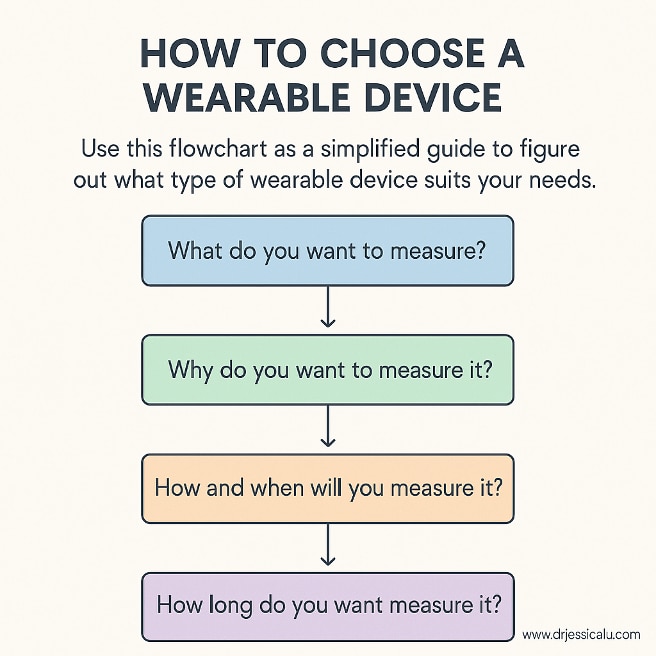
Consumer wearables are already widely used in many parts of the world. A practical guide for researchers and clinicians found that mainstream devices such as the Apple Watch, Fitbit, Garmin and Oura Ring can, when selected systematically for the intended use case, meet reasonable standards of accuracy, precision and usability for some cardiovascular and activity-related measures in relatively healthy adults.
The point is not that every commercial device is equally good at every measurement, but that, for some questions and under some conditions, consumer devices can already generate useful, scalable data.
From personal tracking to public value
And if wearable signals can help estimate biological age and detect changes in function, their value may extend beyond personal wellness.
In clinical care, digital measures could complement rather than replace traditional assessments. In geriatric rehabilitation, for example, combining blood-based ageing measures with activity data from wearables could help clinicians identify patients at higher risk of poor recovery and target rehabilitation resources more effectively.
At the population level, appropriately anonymized and governed wearable data could also help policy-makers understand how ageing trajectories differ across regions, occupations and social groups. If societies can observe in near real time how environments, working conditions and policies affect the pace of ageing, they may be better equipped to support longer, healthier working lives.
Guardrails for wearables data use
This potential is significant, but so are the risks. The size of the market is expanding, which means the user numbers are also increasing.
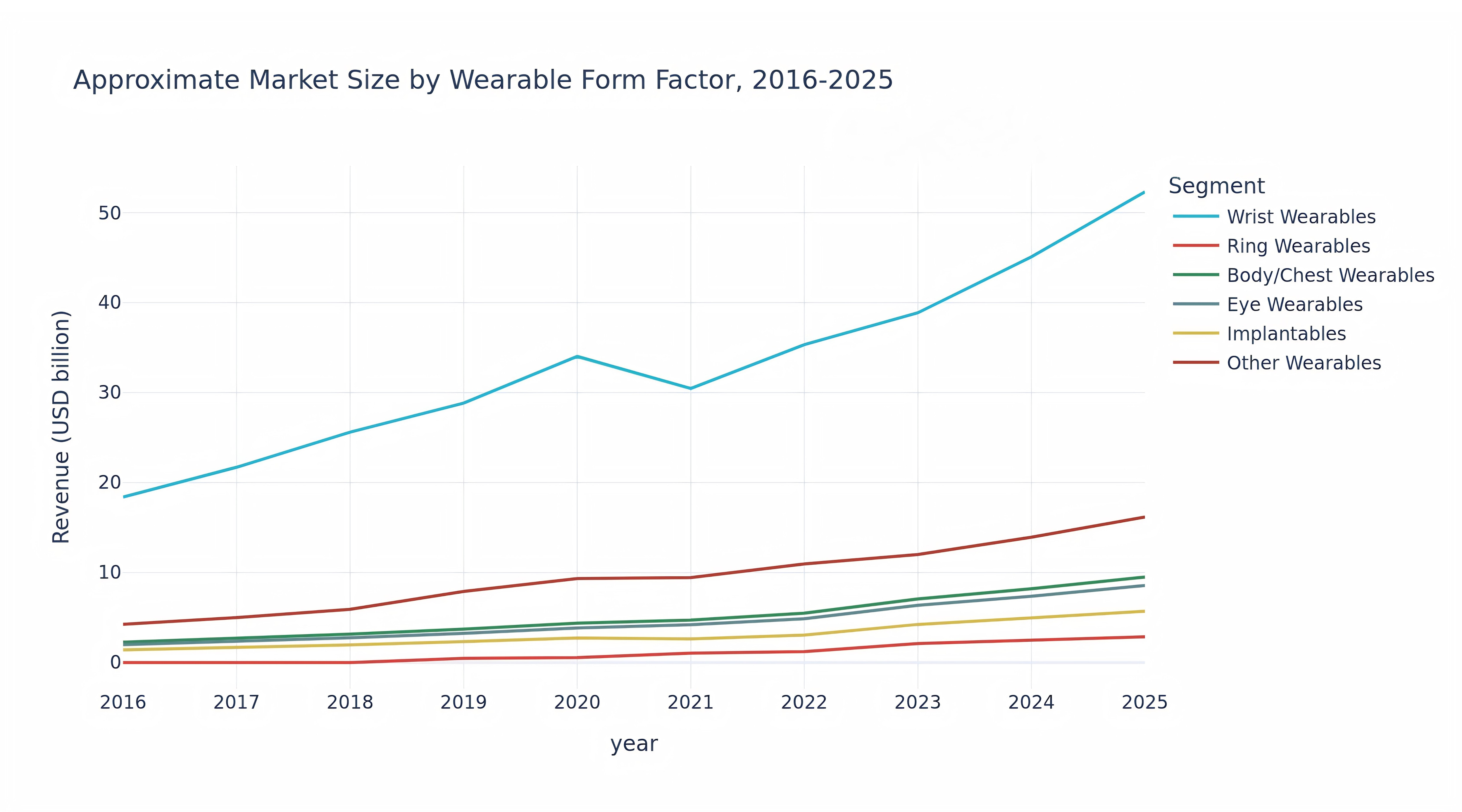
And so, there are three main issues that policy-makers should consider when building guardrails for the responsible use of wearables data:
1. Validation
Many digital biomarkers of ageing have been developed in specific populations, often in high-income countries, and not all have been rigorously tested against meaningful clinical outcomes. Without validation across diverse populations, digital ageing estimates may be misleading or biased.
2. Equity
These tools will fall short if they are available only to those who can afford the latest devices or who already have high levels of digital literacy. Wearables and related systems must be affordable, durable and usable across different settings, including low-resource environments.
3. Governance
Biological age estimates derived from wearables involve sensitive health information. Clear rules around data ownership, consent, privacy and acceptable use are essential, as is transparency about how algorithms are built, evaluated and updated.
The more useful question, then, is not whether a smartwatch can determine a person’s biological age perfectly. It is whether societies can use the signals embedded in everyday digital devices responsibly to support healthier ageing, reduce pressure on health systems and build more resilient futures.
Don't miss any update on this topic
Create a free account and access your personalized content collection with our latest publications and analyses.
License and Republishing
World Economic Forum articles may be republished in accordance with the Creative Commons Attribution-NonCommercial-NoDerivatives 4.0 International Public License, and in accordance with our Terms of Use.
The views expressed in this article are those of the author alone and not the World Economic Forum.
Stay up to date:
Wearable Plant Sensors
Related topics:


Forum Stories newsletter
Bringing you weekly curated insights and analysis on the global issues that matter.


