Opinion
Why women should be at the helm of health emergency leadership
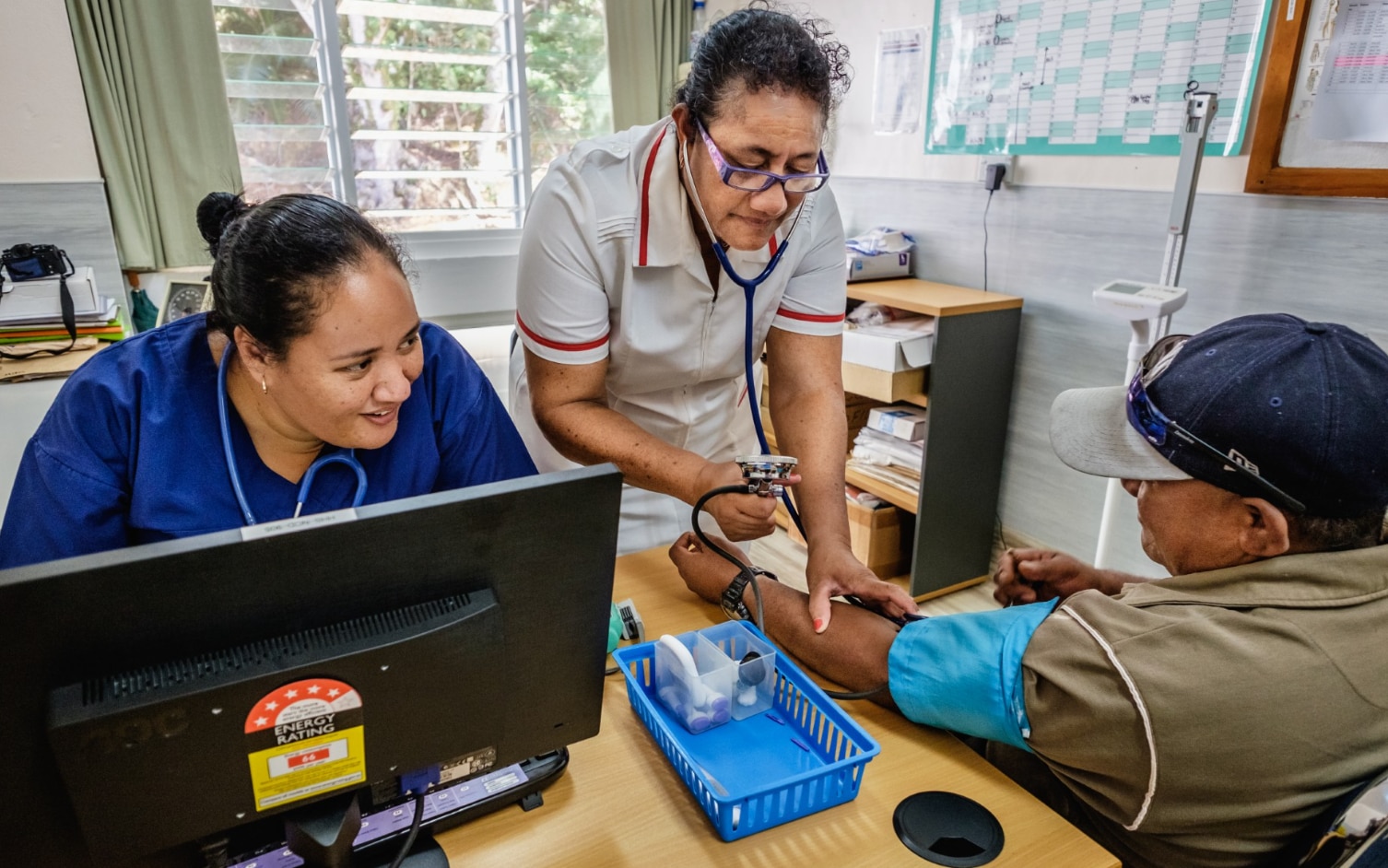
Women make up nearly 70% of the global health workforce, including over 80% of nurses, 90% of midwives and countless essential, often unpaid, community workers. Image: World Health Organization
Sharon Salmon
Emergency Operations, WHO Regional Office for the Western Pacific, World Health Organization (WHO)- Women comprise 70% of the health workforce but hold only 25% of emergency leadership positions.
- Structured mentorship and professional networks help women successfully navigate informal pathways to formal authority.
- Global health systems should recognize women’s participatory, empathetic leadership style to improve future crisis responses.
As the world grapples with the current Bundibugyo Ebola virus outbreak in the Democratic Republic of the Congo and Uganda, we see once again that women are at the forefront of the response.
As a registered nurse and emergency responder, I have spent over two decades supporting emergency responses across multiple continents, from Ebola virus disease in West Africa to the COVID-19 pandemic.
I have worked alongside extraordinary women: physicians running overstretched health clinics, epidemiologists negotiating access in fragile settings, and response coordinators holding together response teams under relentless pressure.
Time and again, I have seen women lead. Yet far too often, they do so without the title, authority or institutional backing that emergency leadership demands.
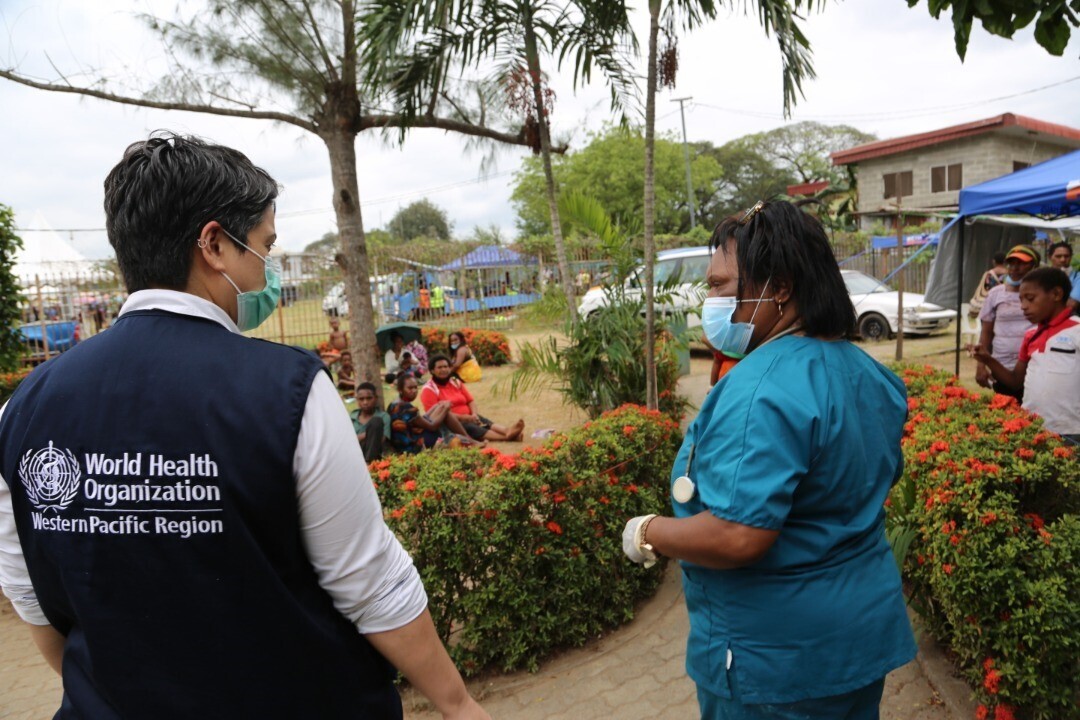
Women make up nearly 70% of the global health workforce, including over 80% of nurses, 90% of midwives and countless essential, often unpaid, community workers. Yet when emergencies strike and key decisions are to be made, women hold only a quarter of health leadership positions worldwide. Even though women effectively run health systems, they are seldom formally in charge.
This gap reflects not just inequity, but a misalignment in how leadership is recognized and valued in the Western Pacific Region and globally.
From representation to leadership: Women in health decision-making
In 2024, I organized and facilitated the WHO Global Outbreak Alert and Response Network (GOARN) leadership initiative exclusively for women. Peer learning equipped participants with practical strategies to navigate barriers to global health leadership. Women-to-women mentoring sharpened leadership skills and supported the development of cross-sector, transnational professional networks.
As one participant said: “When I first came into this line of work, there weren’t many women in the emergency workforce. I’m learning how to be a role model for younger women, to demonstrate that women can also be at the forefront of any emergency response.”
These experiences highlight that women are already leading crises, but the systems do not always recognize them.
Turning experiences into action
To qualify experiences emerging from the GOARN Leadership Initiative and gain insight into women’s leadership in health emergencies, I led a qualitative study involving women emergency leaders from eight Asia-Pacific countries, each with over a decade of experience. Participants represented a diverse technical specialty, including epidemiology, clinical care, operations and coordination.
Two emerging themes provided an opportunity to bridge the gender equity gap in health leadership:
1. Women navigating informal leadership pathways need mentoring and support from professional networks.
Many described leadership pathways in emergencies as informal, where progression depends on visibility and personal connections. “I didn’t know how leadership roles were assigned,” one respondent shared, reflecting the experiences of many. “It felt like a closed conversation I wasn’t in.”
Structured mentorship and professional networks emerged as key enablers of effective leadership. Participants noted that guidance, coaching, and access to mentors help women build confidence to assume complex roles and navigate emergency response demands.
Many women described the power of working alongside other women leaders, rather than carrying the weight of representation alone. “You’re expected to represent all women, all the time. It’s exhausting,” one participant reflected, a reminder of why visible, connected leadership networks matter.
2. Women’s participatory approach to crisis management should be a benchmark for leadership.
In emergencies, authority matters less than adaptability, trust and care. As one senior coordinator put it: “Leadership isn’t about giving orders. It’s about listening, adapting and keeping people going when they’re exhausted.” Yet these skills remain undervalued in leadership selection.
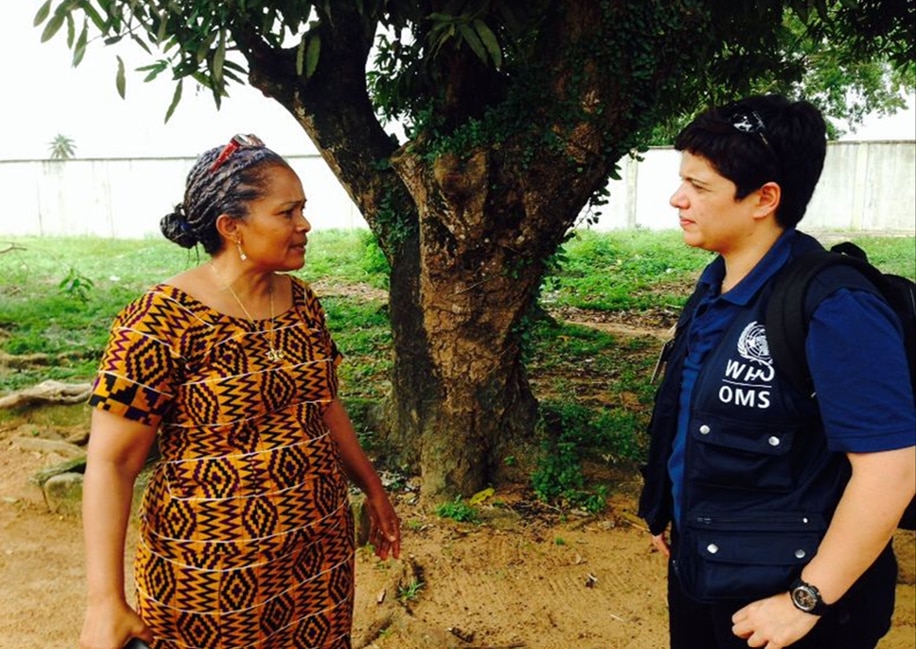
Across the interviews, one insight was consistent: leadership impact is not always the most visible. As one participant put it, “The loudest voice in the room wasn’t always the one holding the response together.” Recognizing these forms of leadership would strengthen emergency responses and ensure the right people are leading when it matters most.
Practical ways to support women’s leadership
These insights point to practical ways to support women in leadership, ensuring skills are recognized and utilized.
As health emergencies become increasingly complex and politically charged, trust, empathy, diplomacy and cultural fluency are warranted alongside technical authority. Positioning far more women at the helm recognizes the breadth of leadership required to manage crises effectively.
Look around the Western Pacific and well beyond. Women are already leading crises — it’s time our systems catch up.
Across contexts and emergencies, women-led teams stabilize responses, rebuild trust in communities, and sustain overstretched teams under immense pressure. Ensuring women’s leadership requires recognizing their contributions, valuing their skills and giving them the authority to lead. The time to align leadership systems with reality is now.
Don't miss any update on this topic
Create a free account and access your personalized content collection with our latest publications and analyses.
License and Republishing
World Economic Forum articles may be republished in accordance with the Creative Commons Attribution-NonCommercial-NoDerivatives 4.0 International Public License, and in accordance with our Terms of Use.
The views expressed in this article are those of the author alone and not the World Economic Forum.
Stay up to date:
Women's Health


Forum Stories newsletter
Bringing you weekly curated insights and analysis on the global issues that matter.