

Business
在动荡的世界中重塑企业战略
在这个动荡的世界中,企业不得不拥抱“持续适应”。过往长期规划的基本规则正在被重写。

Francisco Betti is a Member of the Executive Committee and heads the Global Industries Team of the Forum, which brings together 20+ industry communities to help companies and sectors anticipate current and future trends and accelerate the responsible transformation industries. Before this role, Francisco lead the Forum's Centre for Shaping the Future of Advanced Manufacturing and Supply Chains. The Centre has been helping global leaders form business, government, academia, and civil society anticipate the impact of Fourth Industrial Revolution technologies on manufacturing and supply networks. Leaders engaged in the Centre have been setting and driving the global manufacturing agenda and incubating new pilots and partnerships to ensure a more productive, sustainable, and inclusive future of production. Prior to joining the World Economic Forum, Francisco worked for PricewaterhouseCoopers SA in Geneva, Switzerland, primarily on management consulting assignments for international organizations.
在这个动荡的世界中,企业不得不拥抱“持续适应”。过往长期规划的基本规则正在被重写。
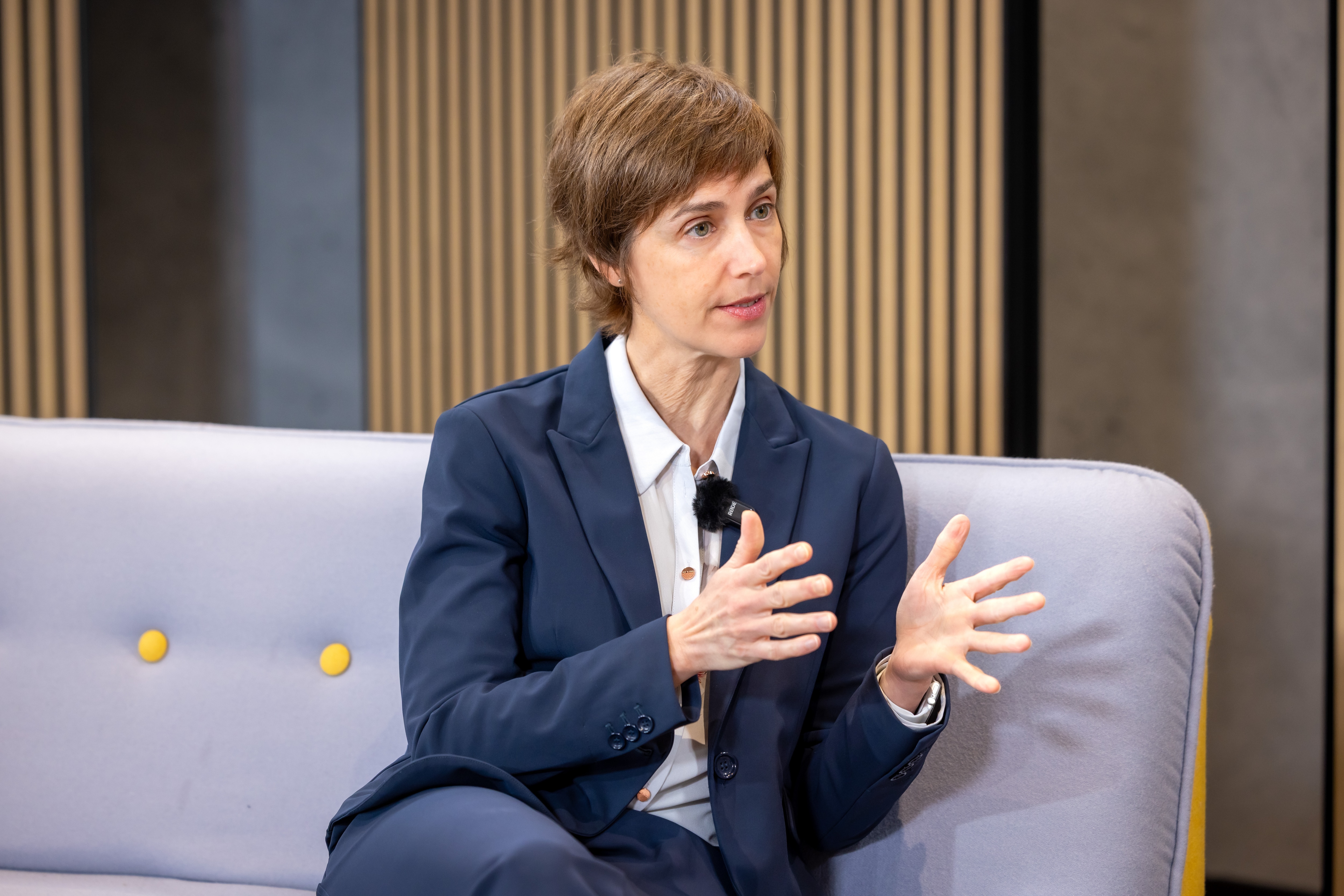
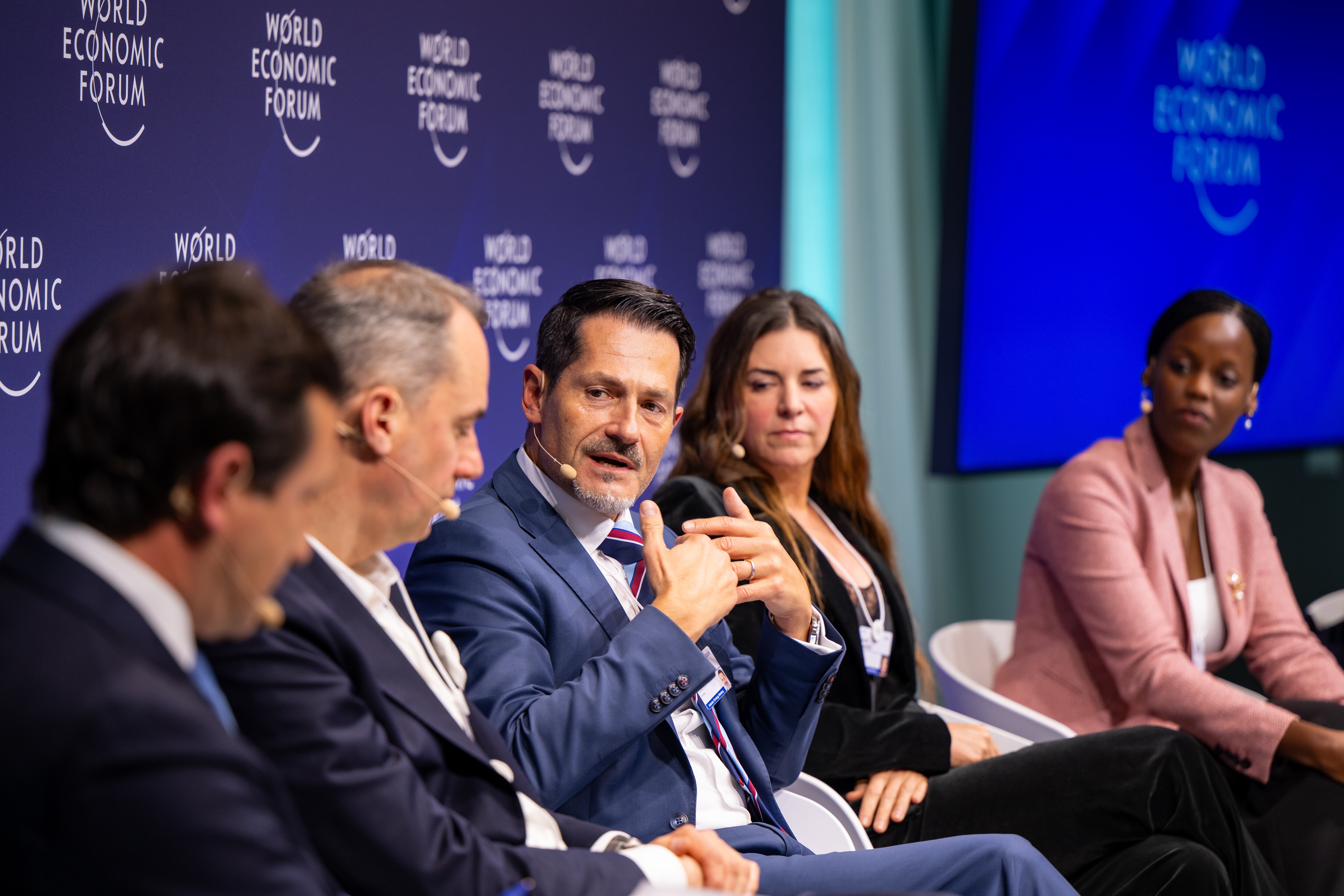
At the World Economic Forum's Industry Strategy Meeting, leaders shared real-world AI use cases, measurable impact on productivity and what it takes to scale.
From AI deployment to energy transition and workforce transformation, here is what over 300 strategy leaders say business needs most in 2026.
How should companies plan in an uncertain world? Leaders are shifting from long-term plans to dynamic strategies shaped by geopolitics, AI and energy shocks.

Las empresas deben adaptarse continuamente e integrar el cambio y la continuidad para crear su futuro, y no solo adaptarse a él.

Businesses must encompass continuous adaptation for true success by integrate change and continuity across three key dimensions to shape their future.

The World Economic Forum’s industry strategy leaders share six key dimensions for surviving and thriving in a new reality defined by constant disruption.

自疫情以来,旅游与旅行行业的增长已经复苏,但它如今必须开辟未来的新道路。世界经济论坛和科尔尼公司发布的一份新白皮书,为旅游业的未来设想了四种情景。这份白皮书探讨了地缘政治紧张局势、经济挑战、可持续发展努力和数字化将如何影响旅游业。

El sector de viajes y turismo está en alza, pero las tensiones geopolíticas y la digitalización podrían desestabilizarlo. Estos son los escenarios posibles para el sector.

パンデミック以降、旅行・観光セクターの成長は回復しましたが、今後は自らの将来像を明確に描く必要があります。世界経済フォーラムの新たな白書では、旅行・観光産業に対する4つの将来シナリオをモデル化。地政学的緊張、経済的課題、持続可能性への取り組み、デジタル化が、旅行・観光セクターの将来をどのように形作っていくかを考察しています。

The travel and tourism sector is thriving, but geopolitical tensions and digitalization could destabilize it. Here are four possible scenarios for the future of travel.

Desde gestionar la incertidumbre hasta invertir en tecnología, sostenibilidad y talento, así es como los líderes de diversos sectores están planificando el futuro.

グローバルな緊張が高まる中、業界リーダーたちは地政学的な知見を蓄積し、貿易、規制、投資の意思決定を再構築しています。エネルギー安全保障は最優先課題であり、ビジネス価値と排出量削減とのバランスが求められています。

How are industry leaders planning ahead? From navigating uncertainty to investing in tech, sustainability and talent, here’s what leaders are prioritizing – and why.

新冠肺炎疫情过后,旅游业不仅得到了发展,而且还在促进符合可持续发展的增长。旅游业促进了跨地域的文化交流,并提高了个人的幸福感。旅游业内在的互联互通性依赖于利益相关方的生态系统,因此必须顺应价值链进行有效合作。


