


Manufacturing and Value Chains
为实现可持续的电动汽车转型,政策制定者需要在这三件事上展开合作
目前,汽车、货车和其他道路车辆的尾气排放约占全世界交通业总排放量的75%;业界为实现净零排放所做的努力主要体现在加速电动汽车转型上,与此同时,主要市场的法规也必须跟进;在此,我们提出了搭建全球政策桥梁,实现可持续电动汽车转型的三种方式,并且指出了为什么合作至关重要。

Maria Basso is the Head of AI Applications and Impact at the Centre for AI Excellence (CAIE) at the World Economic Forum. She leads flagship initiatives that harness AI and digital technologies to transform industries and society.
In her role, Maria oversees strategic programmes that advance real-world AI applications, strengthen CAIE’s global community, and drive strategies to amplify the Centre’s impact. Her work focuses on fostering equitable, human-centered transformation across industries, economies, and societies.
Previously, Maria served as Digital Technologies Portfolio Manager at the Forum’s Centre for the Fourth Industrial Revolution (C4IR) and as Platform Curator for the Advanced Manufacturing and Value Chains Centre. Before joining the Forum, she advanced sustainable development, innovation, and digital transformation agendas through positions with the United Nations, McKinsey & Company, and the University of California, Berkeley.
Maria holds a Masters’ in Mechanical Engineering and Innovation in Energy Systems from the Politecnico of Turin and the University of Illinois.
目前,汽车、货车和其他道路车辆的尾气排放约占全世界交通业总排放量的75%;业界为实现净零排放所做的努力主要体现在加速电动汽车转型上,与此同时,主要市场的法规也必须跟进;在此,我们提出了搭建全球政策桥梁,实现可持续电动汽车转型的三种方式,并且指出了为什么合作至关重要。

Industry efforts to reach net zero are focused on accelerating the electric vehicle transition, and the regulatory landscape in major markets must follow.

制造业必须在变革速度和规模上适应第四次工业革命的发展;公私合作将是全球工业经济未来健康发展的关键;我们认为,制造商要在2023年实现繁荣发展,就必须着重关注以下三个核心领域。

The manufacturing industry must adapt at speed and scale to the Fourth Industrial Revolution. Here are three areas that can help manufacturers thrive.

The Forum, Bain, Ralph Lauren, Vestiaire Collective and EVRYTHNG, have launched a pilot to ensure the authentication of fashion products in second hand markets.

The manufacturing industry must transform in the face of the Fourth Industrial Revolution. This will require leadership support and learning from industry collaborations.
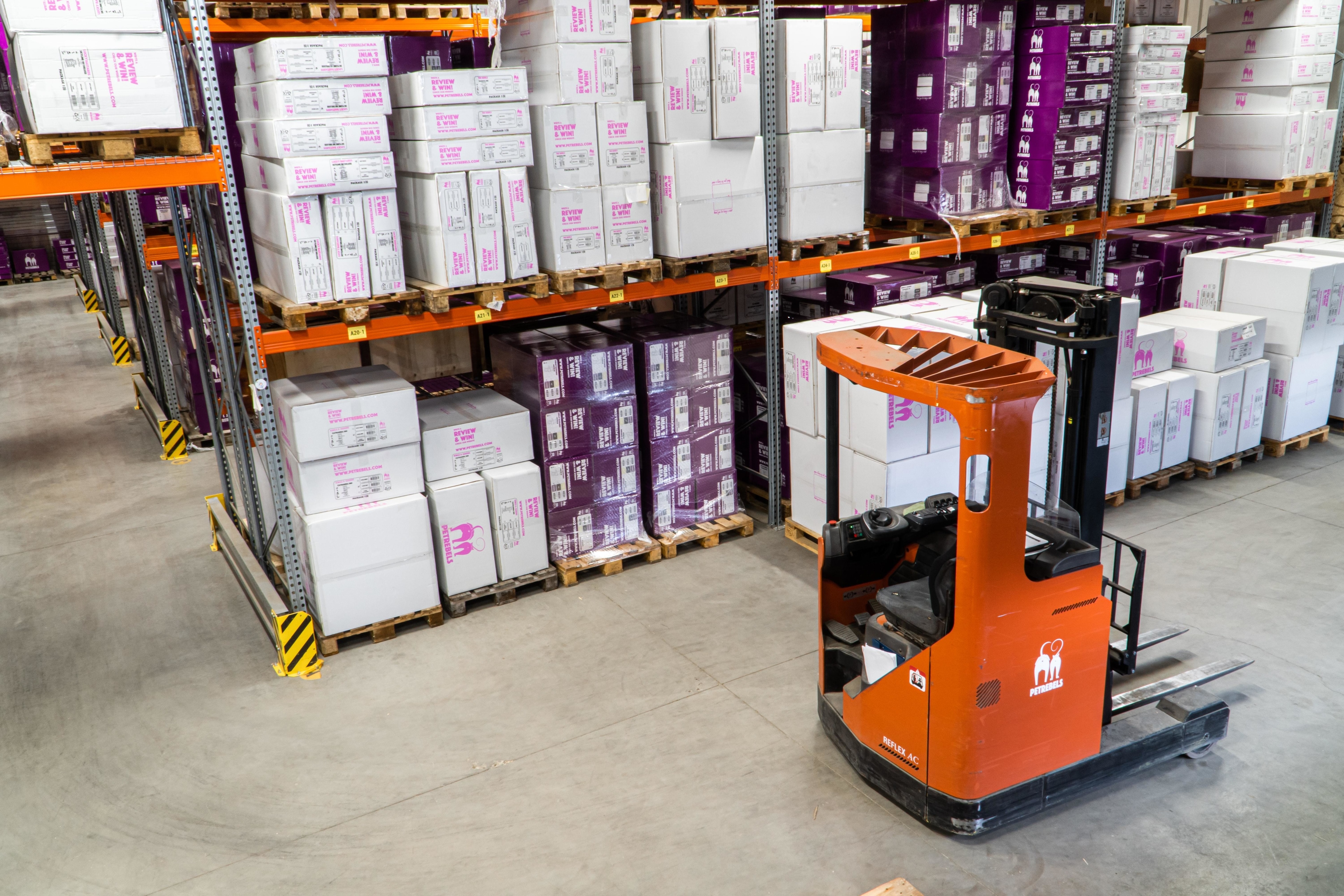
60 supply chain leaders explain what could have been done differently: Some of the biggest lessons centre on new skills and new managerial thinking.


