

Climate Action and Waste Reduction
酷暑の職場リスクに挑む、日本の取り組み
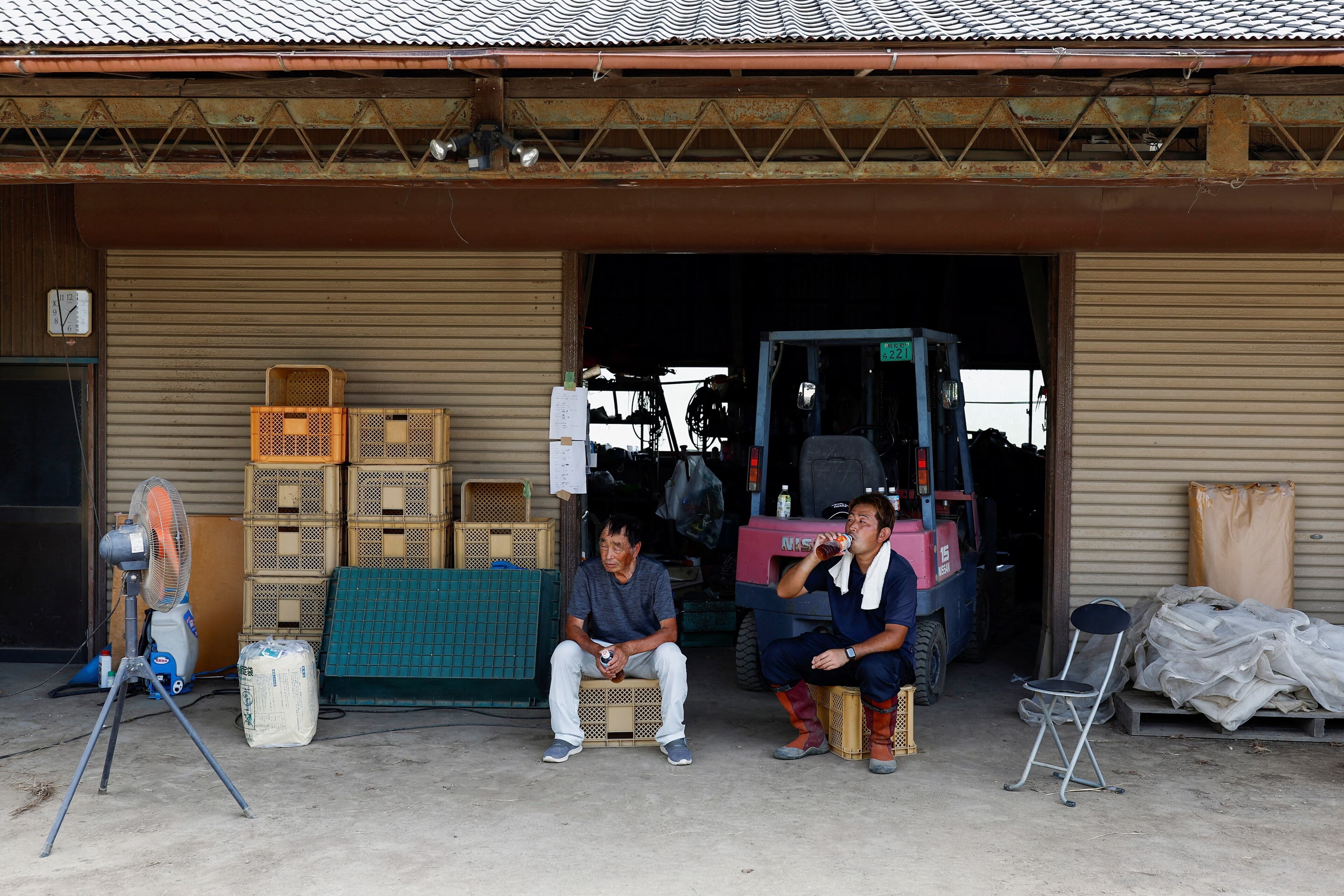
2025年の7月は、過去2年連続の記録的な猛暑に続き、観測史上3番目に暑い7月となりました。日本では、群馬県で過去最高となる41.8℃を記録し、全国的に高温が10月まで続くと予想されています。政策立案者や企業は、労働者の健康を守りつつ事業運営を維持するため、熱中症リスクへの対策を進めています。

2025年の7月は、過去2年連続の記録的な猛暑に続き、観測史上3番目に暑い7月となりました。日本では、群馬県で過去最高となる41.8℃を記録し、全国的に高温が10月まで続くと予想されています。政策立案者や企業は、労働者の健康を守りつつ事業運営を維持するため、熱中症リスクへの対策を進めています。
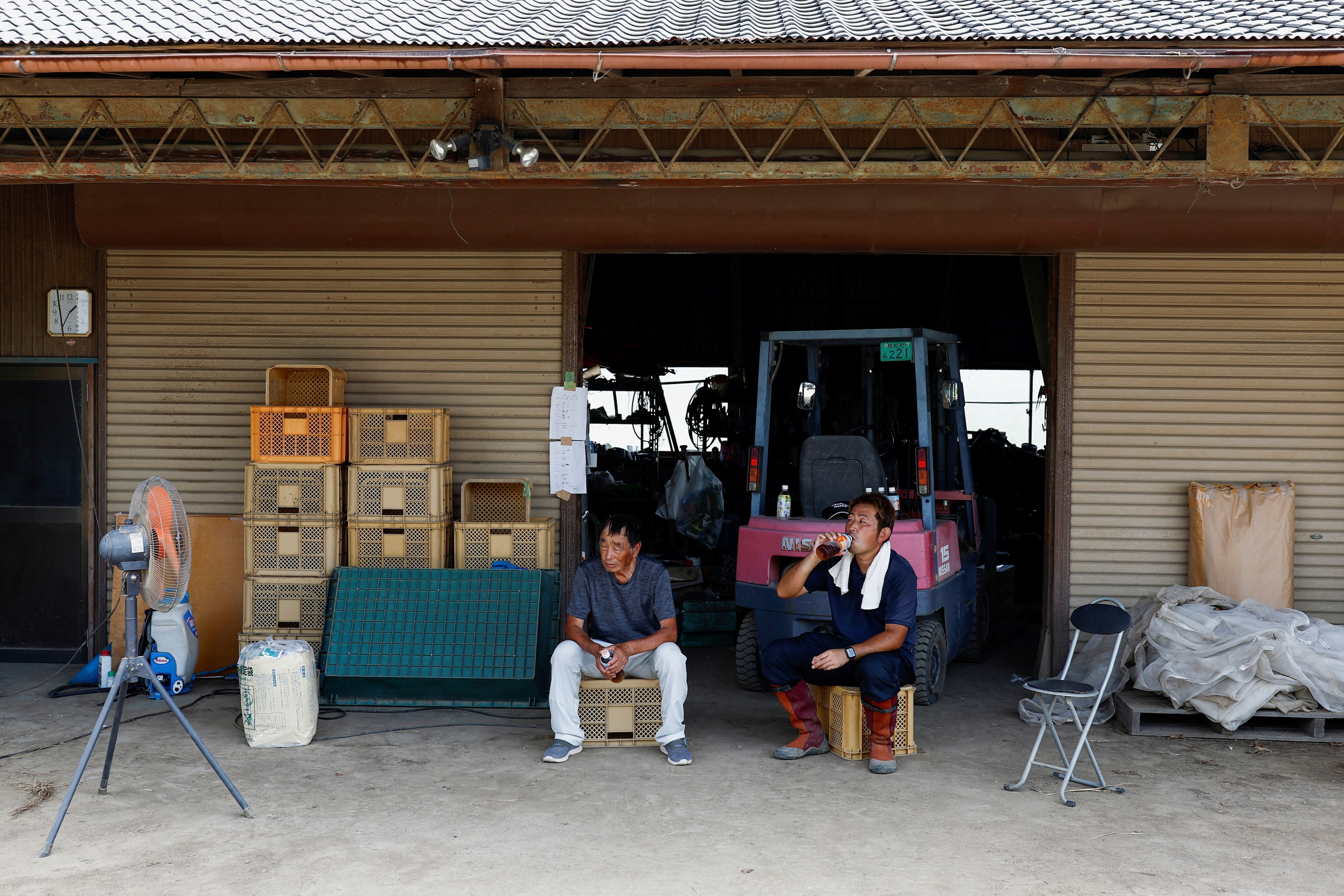
Japanese policy-makers and employers are taking measures to combat extreme heat risks to protect workers' health while sustaining business operations.
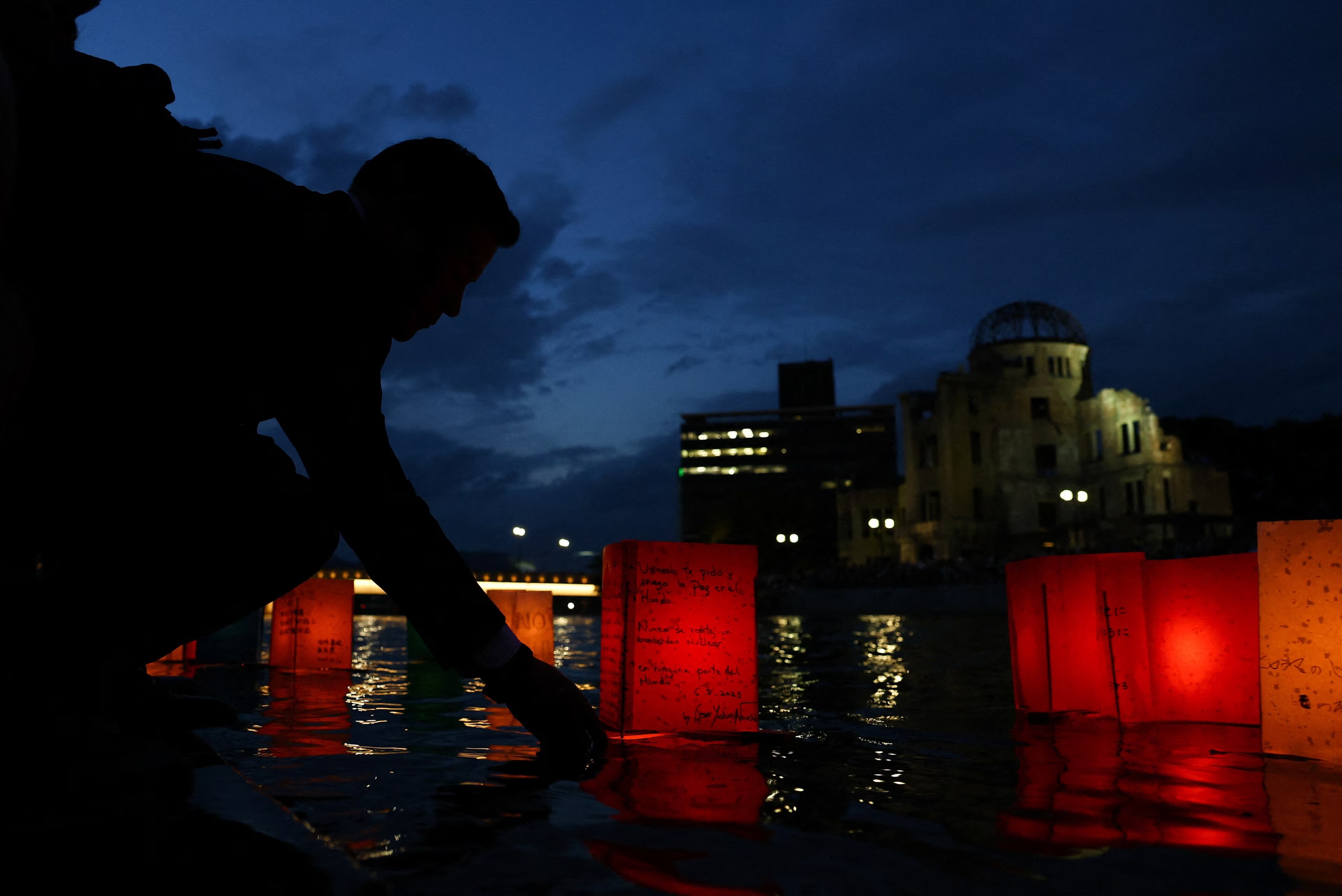
第二次世界大戦の終結から80年を迎えた今、平和を守り続けるために、過去の戦争から教訓を学ぶことが極めて重要です。日本は唯一の被爆国として、核兵器の非人道性を伝える特別な責任があります。年々高齢化する戦争経験者は、自らの体験を「語り部」となる若い世代に語り継ぎ、さらに次の世代へと物語を受け継いでいます。
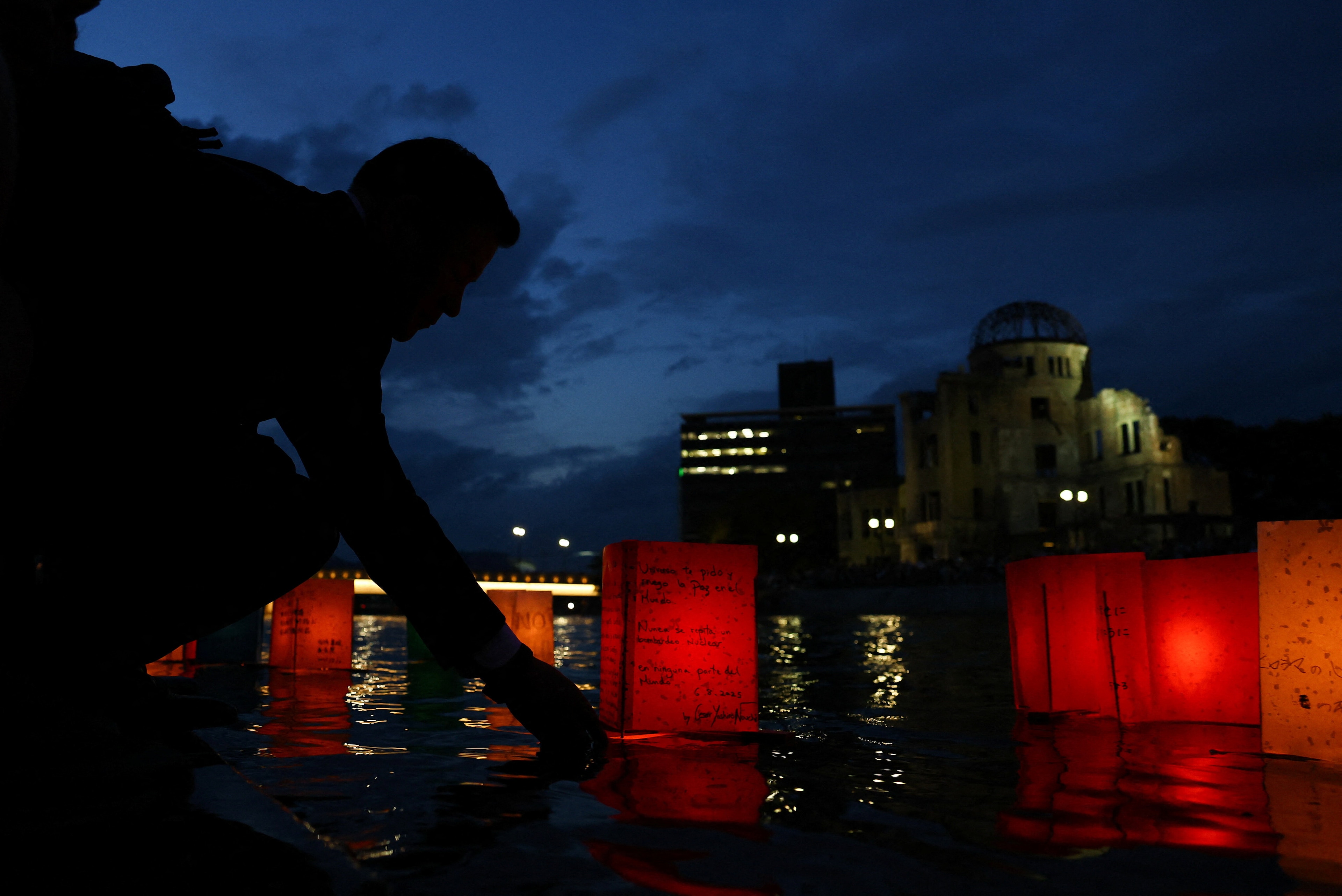
Japan is the only nation in the world to have experienced nuclear bombings, giving it a unique responsibility to convey the inhumanity of nuclear weapons.
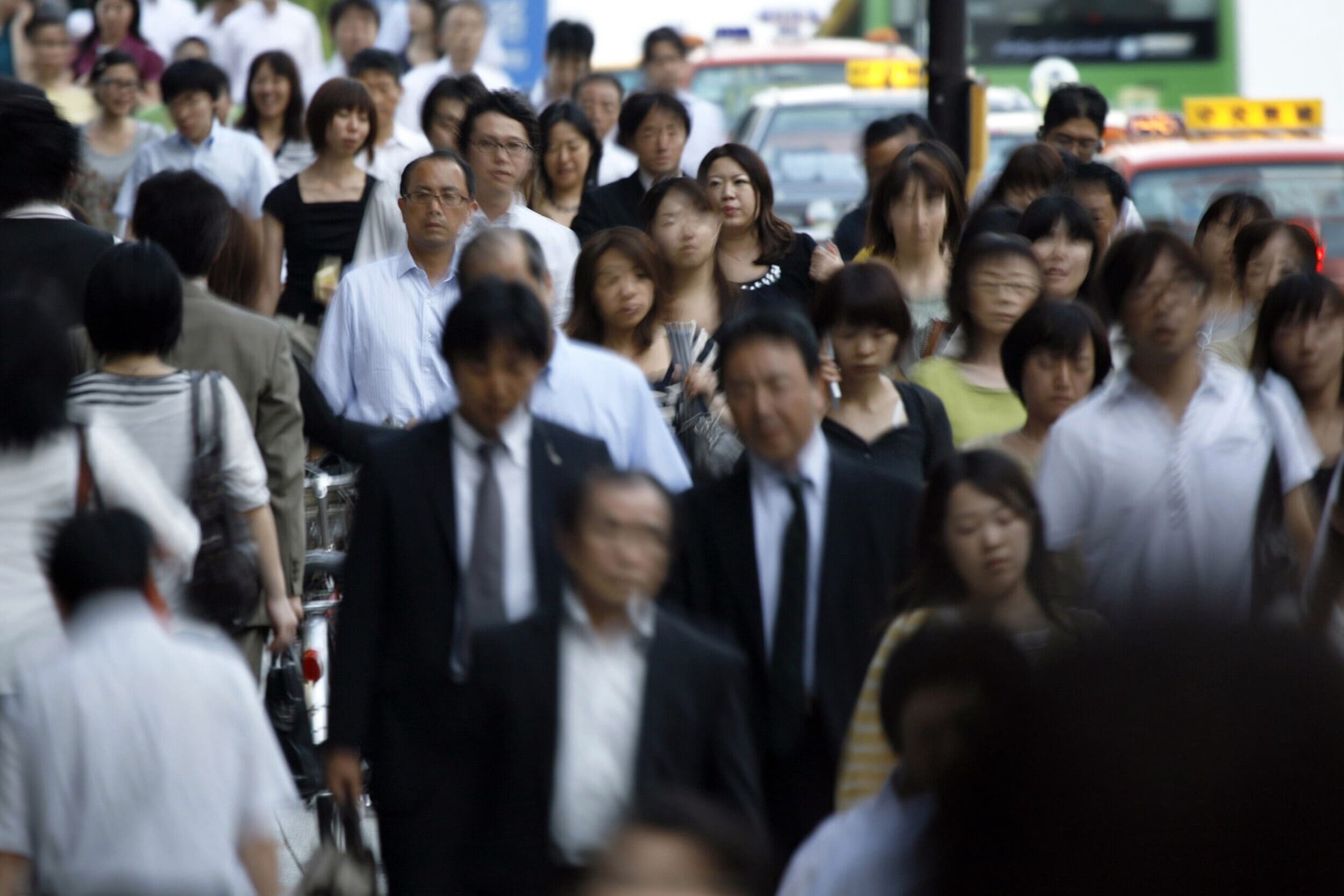
日本では、40代・50代の労働者のうち、約1700万〜2000万人が非正規雇用や低賃金の仕事に就いています。こうした状況を改善するため、2020年以降、日本政府はこの世代を対象にした雇用支援プログラムを本格的に進めており、すでに多くの人が正社員として働き始めています。
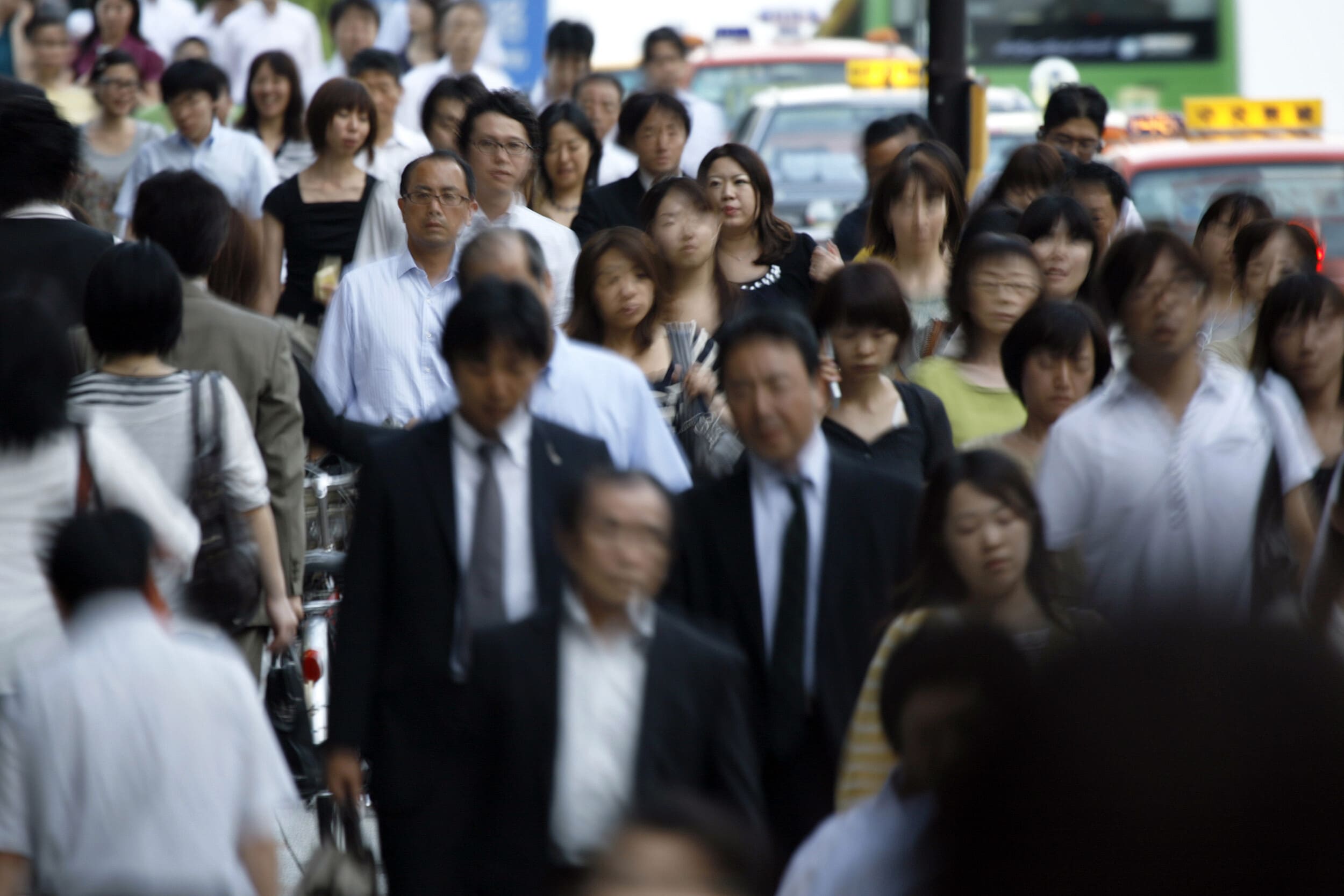
Japan is boosting support for its “employment ice age generation” with training, subsidies and job programmes to improve stability and national resilience.
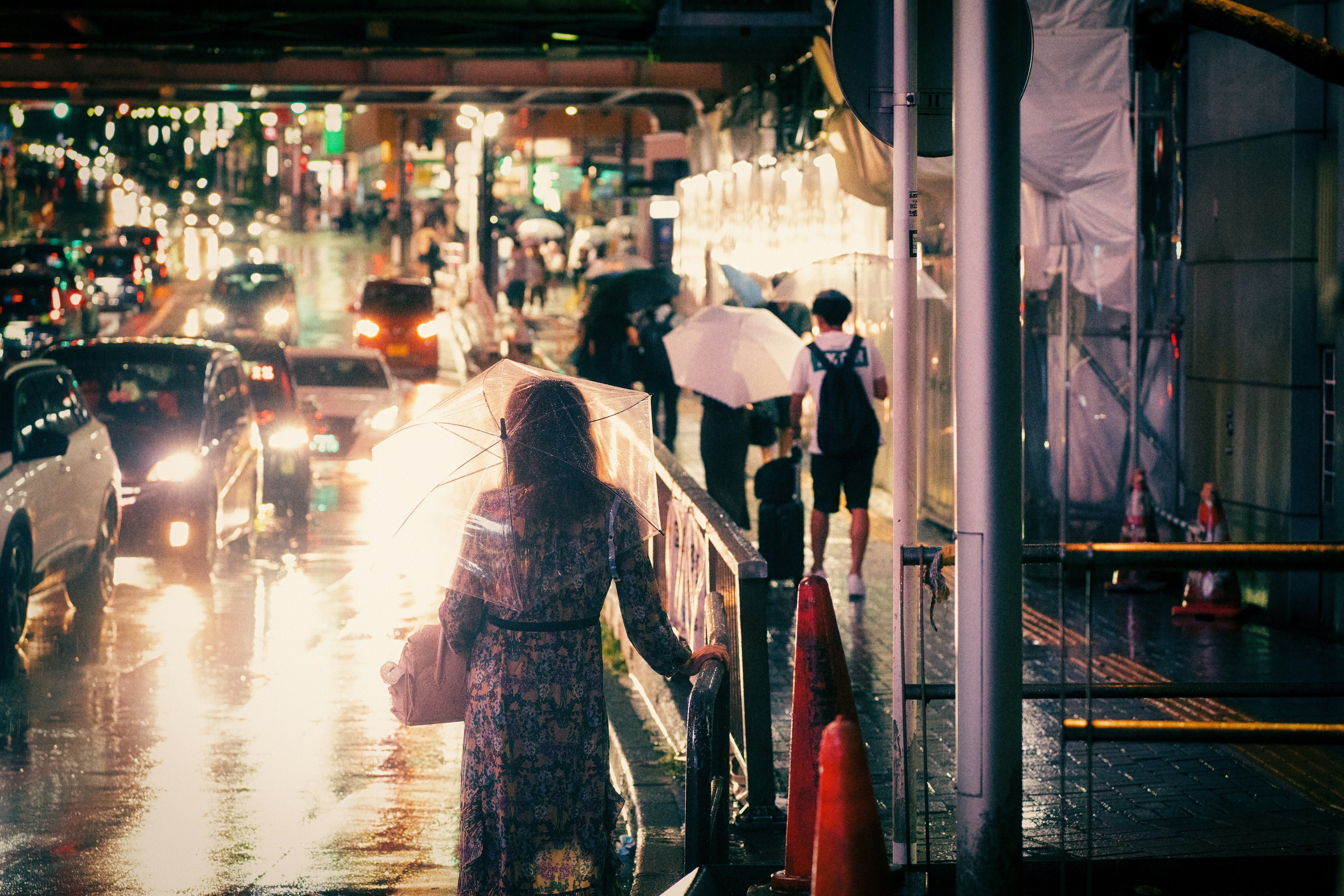
日本はこれまで、地震、火山の噴火、洪水など、さまざまな自然災害を経験してきました。こうした経験から、災害を記録し、監視する伝統が根付き、地域の安全確保に役立てられています。防災戦略の一環として最新のテクノロジーを活用することで、極端気象の予測精度が向上し、国民への警報発信が強化されています。
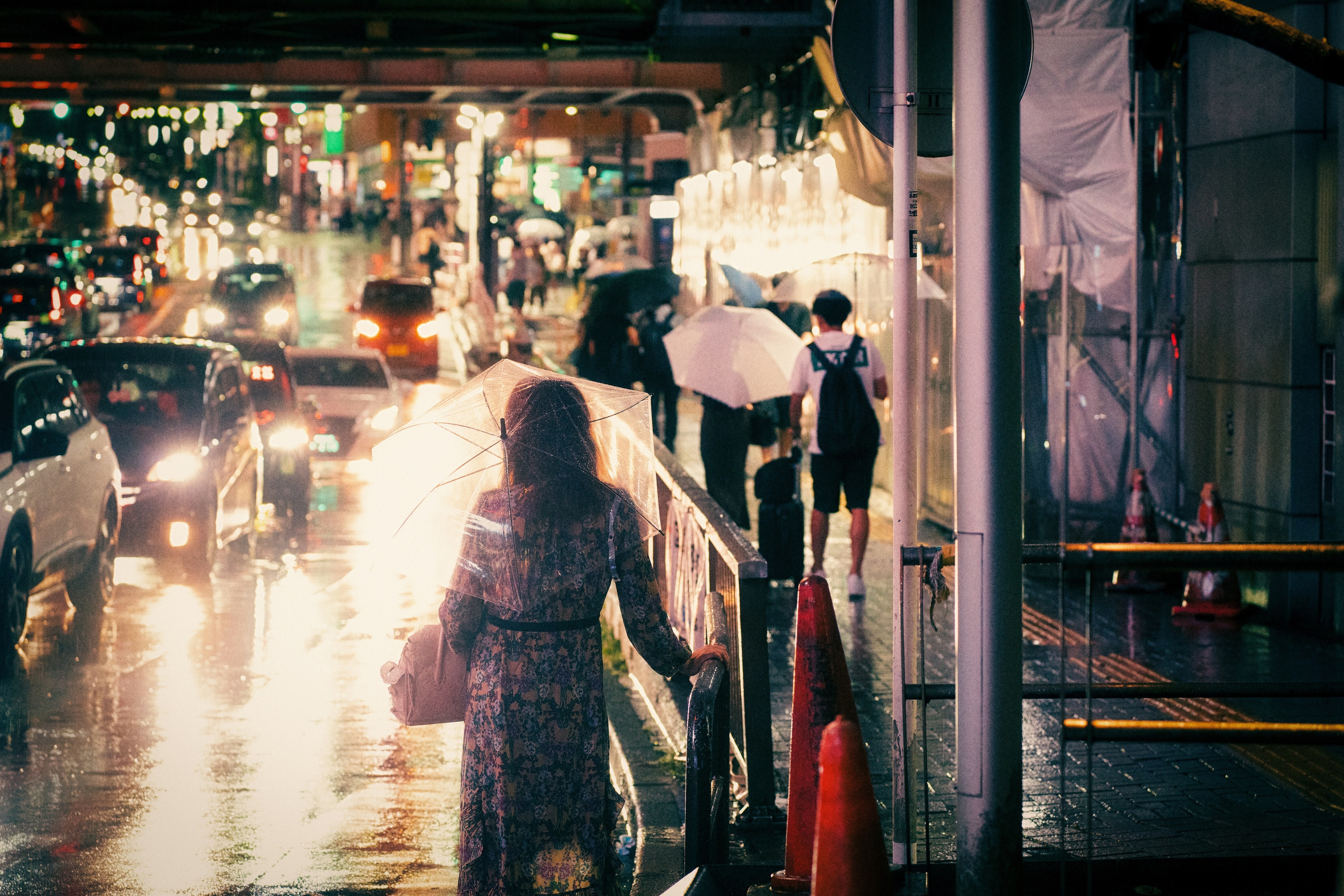
Building on a long history of disaster preparedness, Japan is now using innovative technology to improve forecasts and alert systems to protect citizens.
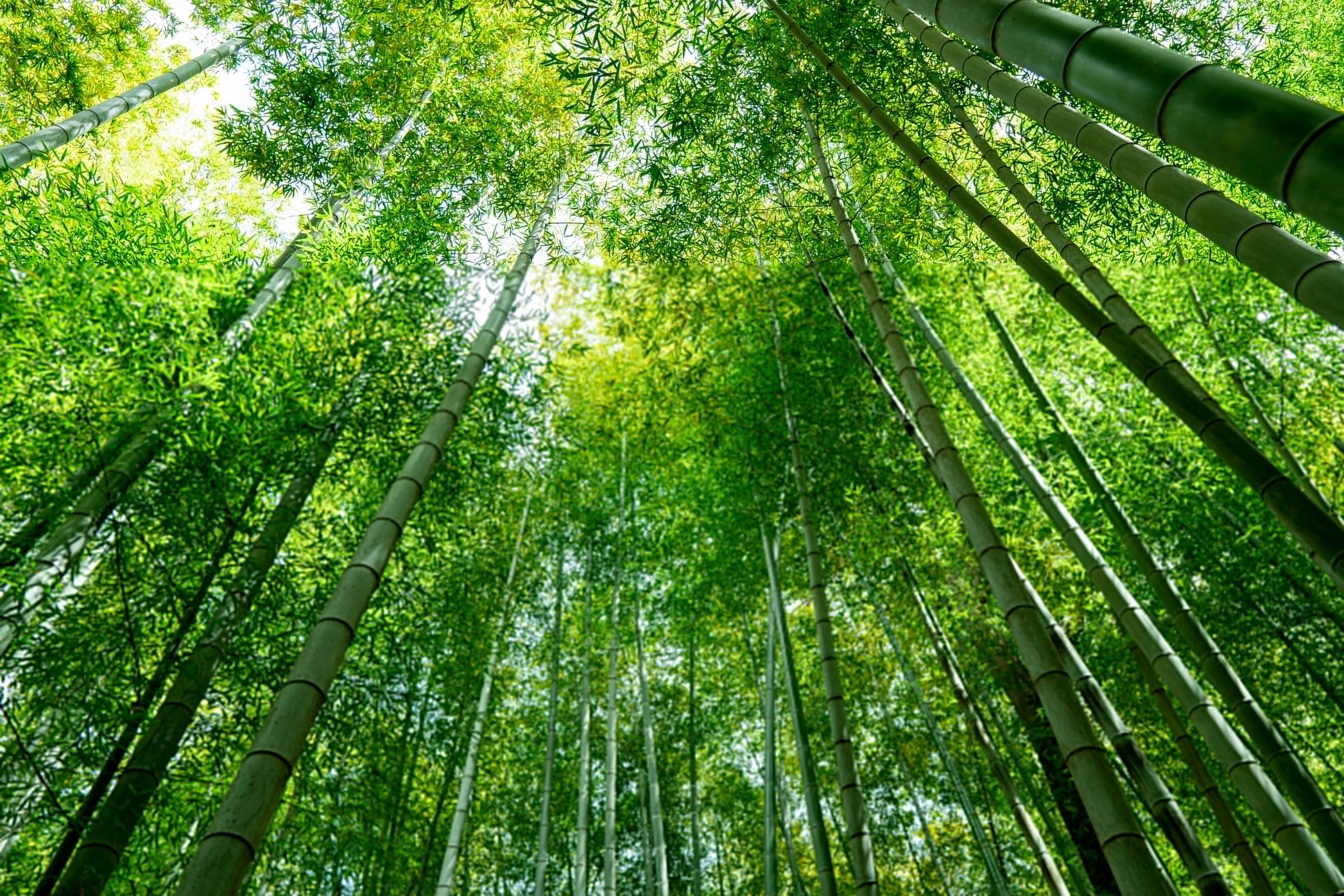
Japón está impulsando iniciativas que combinan materiales tradicionales con tecnologías modernas y modelos de negocio colaborativos para crear cadenas de suministro resilientes.

日本の水の安全保障は、高齢化の進行、収入の減少、地域間格差、そして脆弱な水インフラなどの課題を抱えています。政府は、データ、イノベーション、官民連携を通じて監視体制の強化を進めています。東京のような大都市では、脱炭素化、再生可能エネルギー、そして生態系の保全に焦点を当てた野心的な環境計画が実行されています。

Japan is reimagining water infrastructure with tech, transparency, and collaboration to boost resilience amid ageing systems and climate challenges.

地域における原材料の供給および生産・流通体制を強化することは、経済のレジリエンスを高めます。地域資源を活用する企業は、地域経済を支えるとともに、持続可能な成長への貢献が期待されます。日本では、伝統的な素材と現代の技術、協働型ビジネスモデルを融合させた取り組みが行われています。

Japan is using initiatives that blend traditional materials with modern technologies and collaborative business models to create resilient supply chains.

2024年、欧州西部では2万人以上の熱中症関連の死亡が報告されました。極端な暑さが常態化する中、気温上昇への備えは世界的な急務となっています。日本は、家庭や職場において人々を猛暑から守る取り組みを進めることで、この分野をリードしています。

Japan has many initiatives to protect its people from extreme heat at home and at work; this saves lives and builds societal resilience to heatwaves.


