


Wellbeing and Mental Health
脳に優しい考え方が、AIバーンアウトを防ぐ理由
今日の労働者は、地政学的な不確実性、経済的圧力、人口動態の変化、気候変動に伴う混乱、そしてAIをはじめ加速する技術変革という「パーフェクト・ストーム」の渦中にあります。脳への負担は増大し、メンタルヘルス、生産性、創造性、組織のレジリエンスに悪影響を及ぼしています。

Nga Leopold is Manager, Community, Wellness and Longevity at the Centre for Health and Healthcare at the World Economic Forum. She leads the Forum’s community of Chief Health and Well-being Officers, bringing together senior executives from leading global employers, and leads the Healthy Longevity Initiative, with a focus on healthy living, proactive and personalized health management, and human flourishing.
今日の労働者は、地政学的な不確実性、経済的圧力、人口動態の変化、気候変動に伴う混乱、そしてAIをはじめ加速する技術変革という「パーフェクト・ストーム」の渦中にあります。脳への負担は増大し、メンタルヘルス、生産性、創造性、組織のレジリエンスに悪影響を及ぼしています。

Neuroscience offers a practical way to understand the cognitive demands on our brains imposed by working with AI – and how to alleviate them.
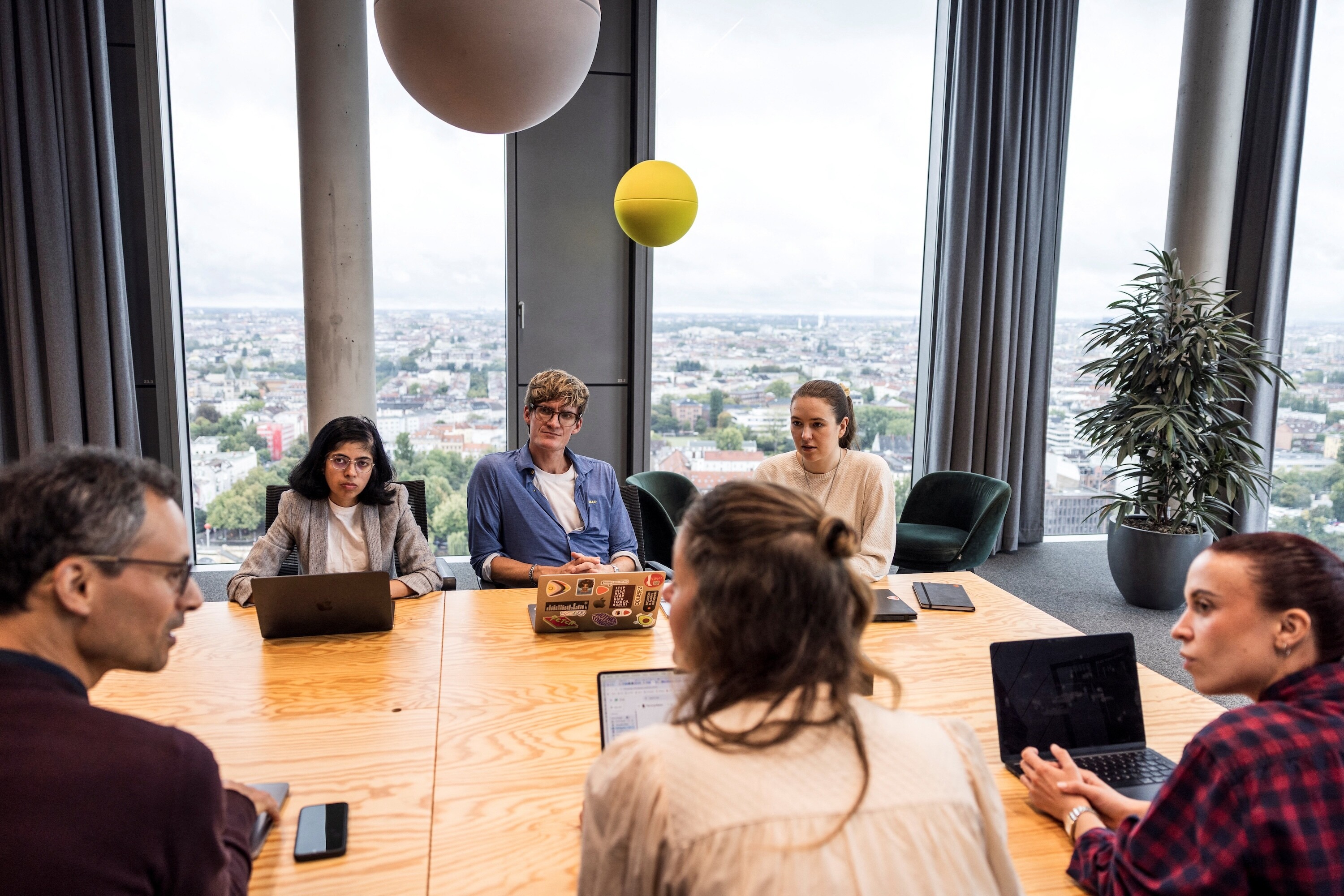
How can employee well-being data guide leadership decisions and act as an indicator of overall business performance? Three leaders explore the issue.

As we mark World Mental Day, a CEO toolkit outlines five actions that C-suite leaders can take to improve workplace mental health, for the benefit of all.


