

Emerging Technologies
太空与生物技术研究融合将为地球带来哪些新的可能?
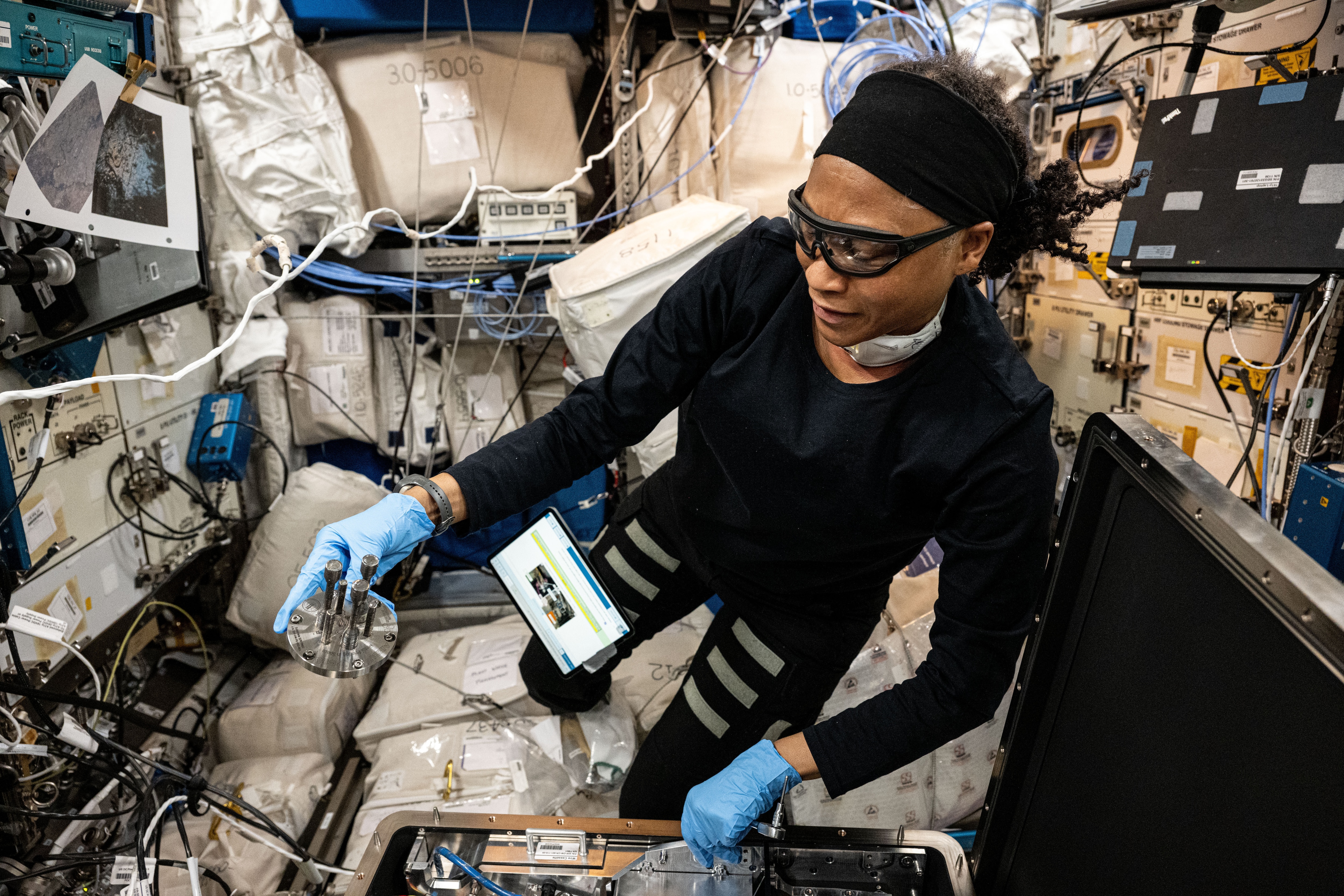
当下,航天探索与生物技术研究正迎来一场深刻的交融,数十载载人航天所积淀的沉淀,正加速转化为解决地球上医疗健康、现代农业及可持续发展难题的硬核方案。
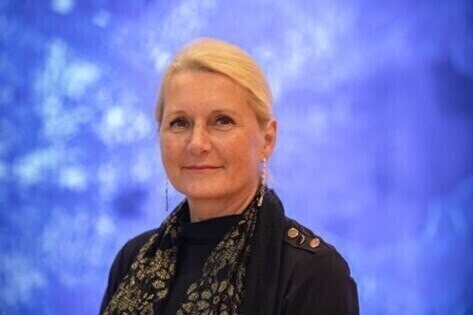
Pascale Ehrenfreund is the President of the International Space University and Research Professor of Space Policy and International Affairs at the Space Policy Institute/George Washington University in Washington DC. She is also the President of the Committee on Space Research COSPAR and Visiting Professor at Leiden Observatory.
Since three decades she contributed as Principal Investigator, Co-Investigator and Teamleader to ESA and NASA astronomy and planetary missions as well as experiments in low Earth orbit and on the International Space Station.
Pascale Ehrenfreund served as the Chair of the Executive Board of the German Aerospace Center (DLR) between 2015-2020 and the President of the Austrian Science Fund (FWF) from 2013-2015.
Pascale Ehrenfreund holds a Master degree in Molecular Biology, a PhD in Astrophysics, and a Master degree in Management & Leadership. The asteroid "9826 Ehrenfreund 2114 T-3" bears her name.
当下,航天探索与生物技术研究正迎来一场深刻的交融,数十载载人航天所积淀的沉淀,正加速转化为解决地球上医疗健康、现代农业及可持续发展难题的硬核方案。
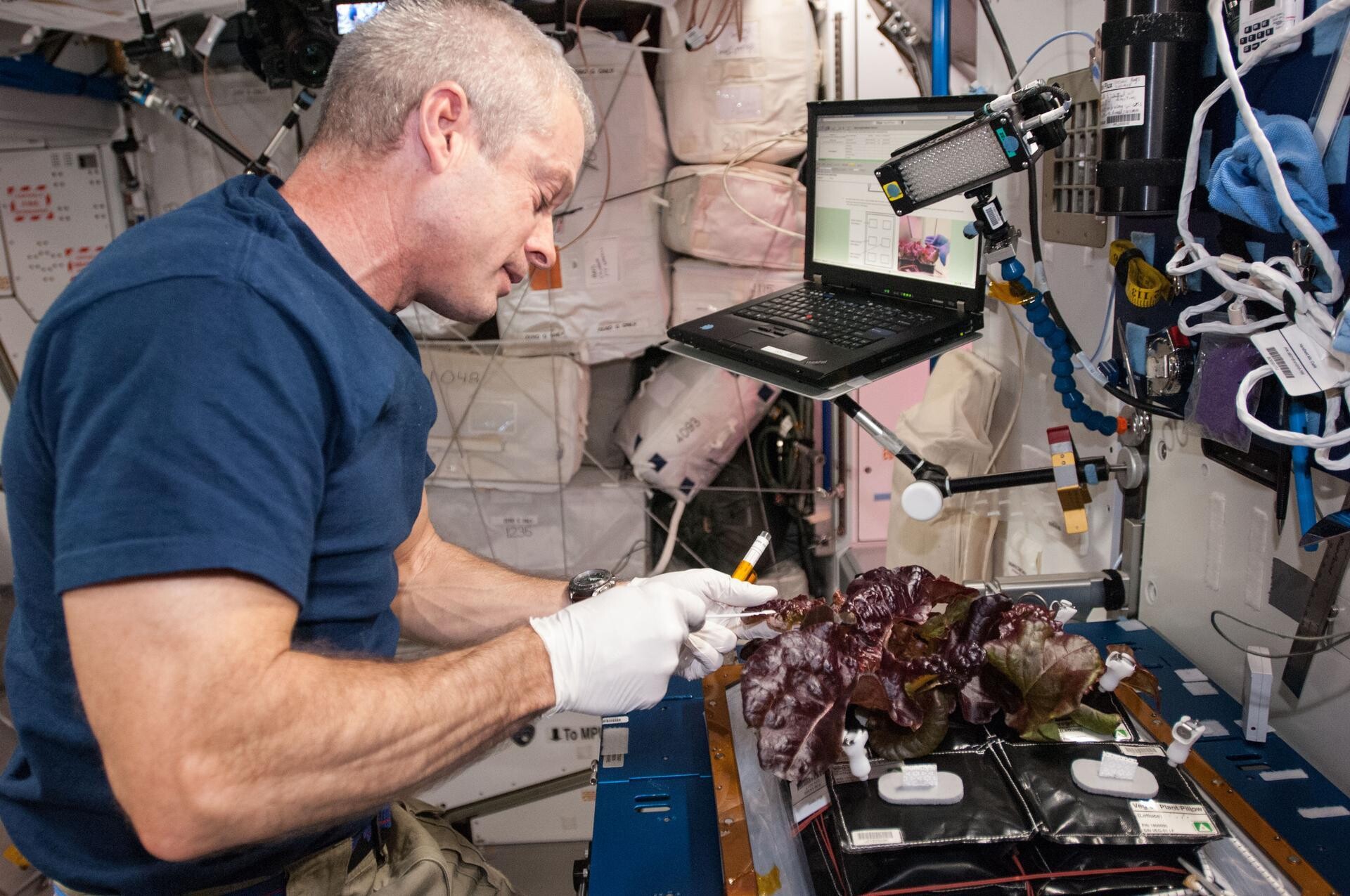
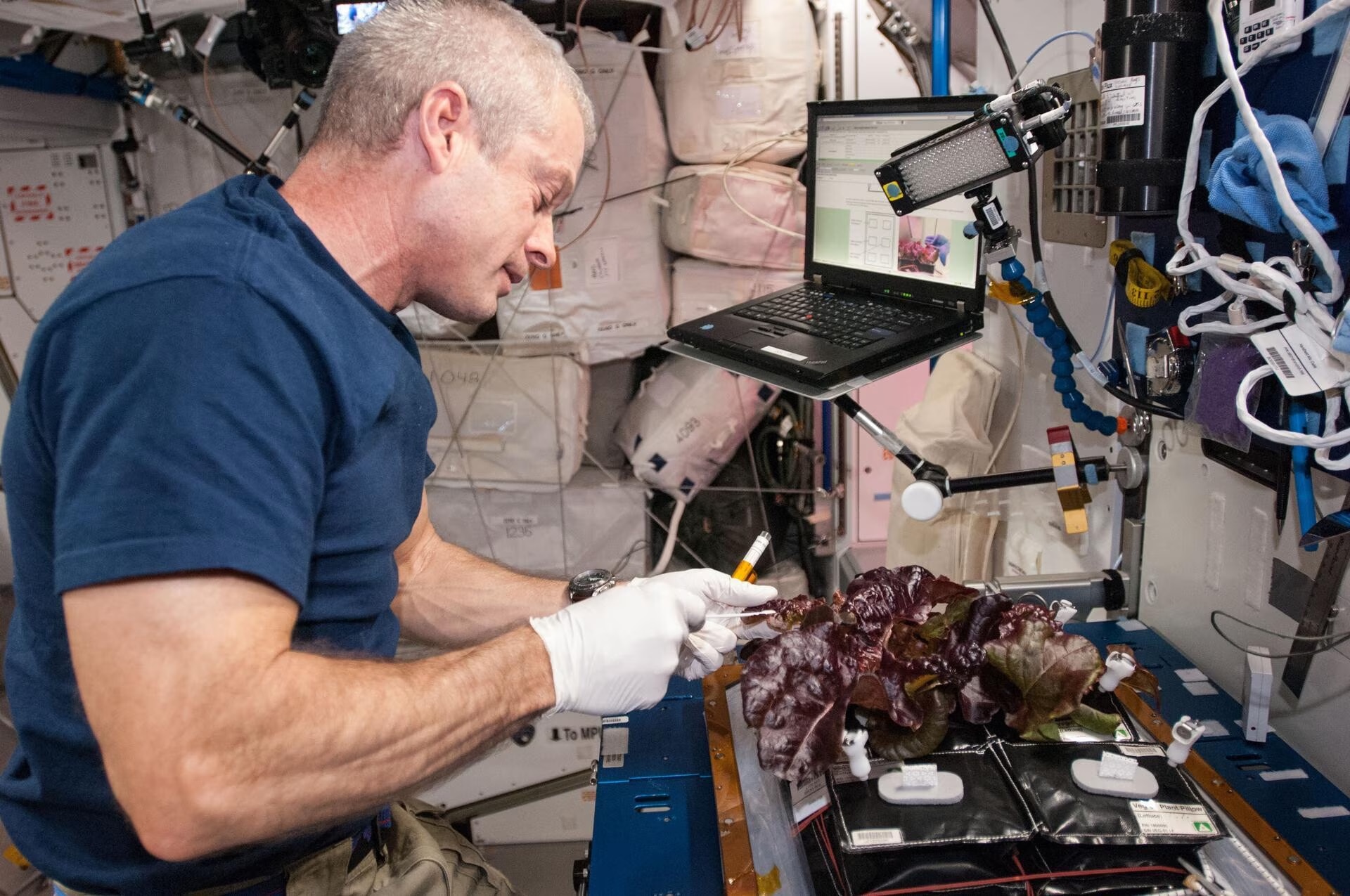
Decades of space flight advances means space and biotechnology research is now being applied to health, agriculture and sustainability issues on Earth.
ナビゲーションや金融取引から気候監視、緊急対応に至るまで、宇宙技術の応用はすでに地球上の日常生活に深く浸透しています。 ただし、現在変化しているのは宇宙活動の規模だけではありません。新たな宇宙技術や応用の進展速度とその深度、そして宇宙技術とその他の画期的技術との融合が進んでいるのです。
Space technology convergence is a new phase of innovation, one that reshapes how we operate in space. Here's what it is and how it impacts complex systems on Earth.

太空探索正处于一个变革时期,前往月球、火星甚至更远处的开创性任务是其主要特点。公共和私营太空探索参与者正在利用成本效益高、可重复使用的运载火箭完成雄心勃勃的任务,推动行业变革。我们需要确保我们的太空活动能够保障子孙后代的利益。

The space sector is being majorly transformed and we must ensure activities are conducted in a way that safeguards the interests of future generations.


