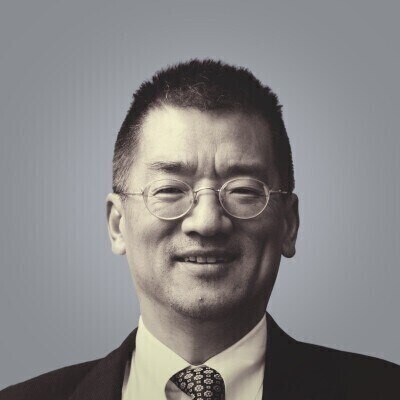
Wallace S. Cheng is a strategy, partnerships, and policy leader with experience across major international organizations and global institutes. He has worked with the UN World Food Programme (WFP), UNCTAD, Globethics, and the International Centre for Trade and Sustainable Development (ICTSD), driving initiatives that link sustainable development, economic policy, and technology for the public good.
Wallace specializes in strengthening organizational strategy, mobilizing diverse resources, and building high‑value partnerships across government, industry, philanthropy, and multilateral agencies. He has led engagements with corporate leaders, donors, and public‑sector partners to shape investment priorities, strengthen ESG and sustainability strategies, and develop collaborative platforms that scale impact across markets.
Since 2015, he has contributed to the World Economic Forum as an Agenda Author, helping shape global discussions on trade, technology governance, and inclusive growth. He also serves as an Expert Member of the UN’s United for Smart and Sustainable Cities (U4SSC) initiative, supporting policy frameworks at the intersection of sustainability, digital transformation, and governance.
A Yale World Fellow, Wallace brings a globally informed, interdisciplinary approach to leadership—bridging sectors, advancing public–private collaboration, and supporting organizations navigating complex policy and sustainability landscapes.