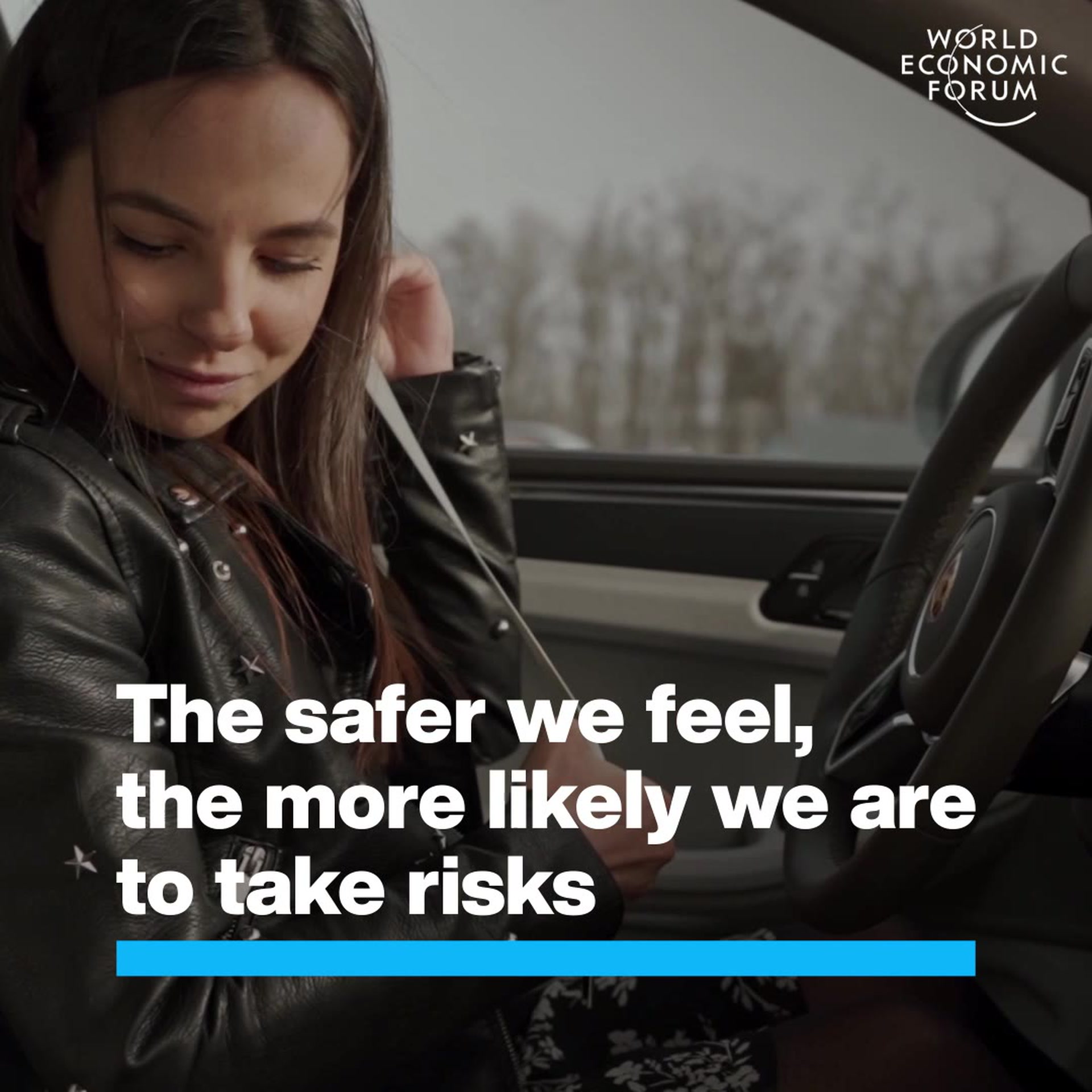
Techniques designed to reduce harm can give us a false sense of security and may actually increase the risk of injury. This is due to an effect called risk compensation. According to scientists from Purdue and Clemson Universities and Virginia Tech, we adjust our attitude to risk based on how safe we feel. It’s why some drivers take more risks when they’re wearing a seatbelt and why some parents are more likely to leave medicines within reach of children.
In a new study, researchers tested this phenomenon on roofers. They used VR to simulate a work environment 6 metres above the ground. When workers were fully equipped with safety gear, they increased their risk-taking behavior by 55%. The scientists also say there are 2 possible ways to tackle this paradox. Firstly by educating people about the risk compensation effect, and secondly by giving people a say in the safety precautions they take
Watch the video to learn more about the risk compensation effect.