Why the ocean economy is a macroeconomic foundation that requires strategic investment
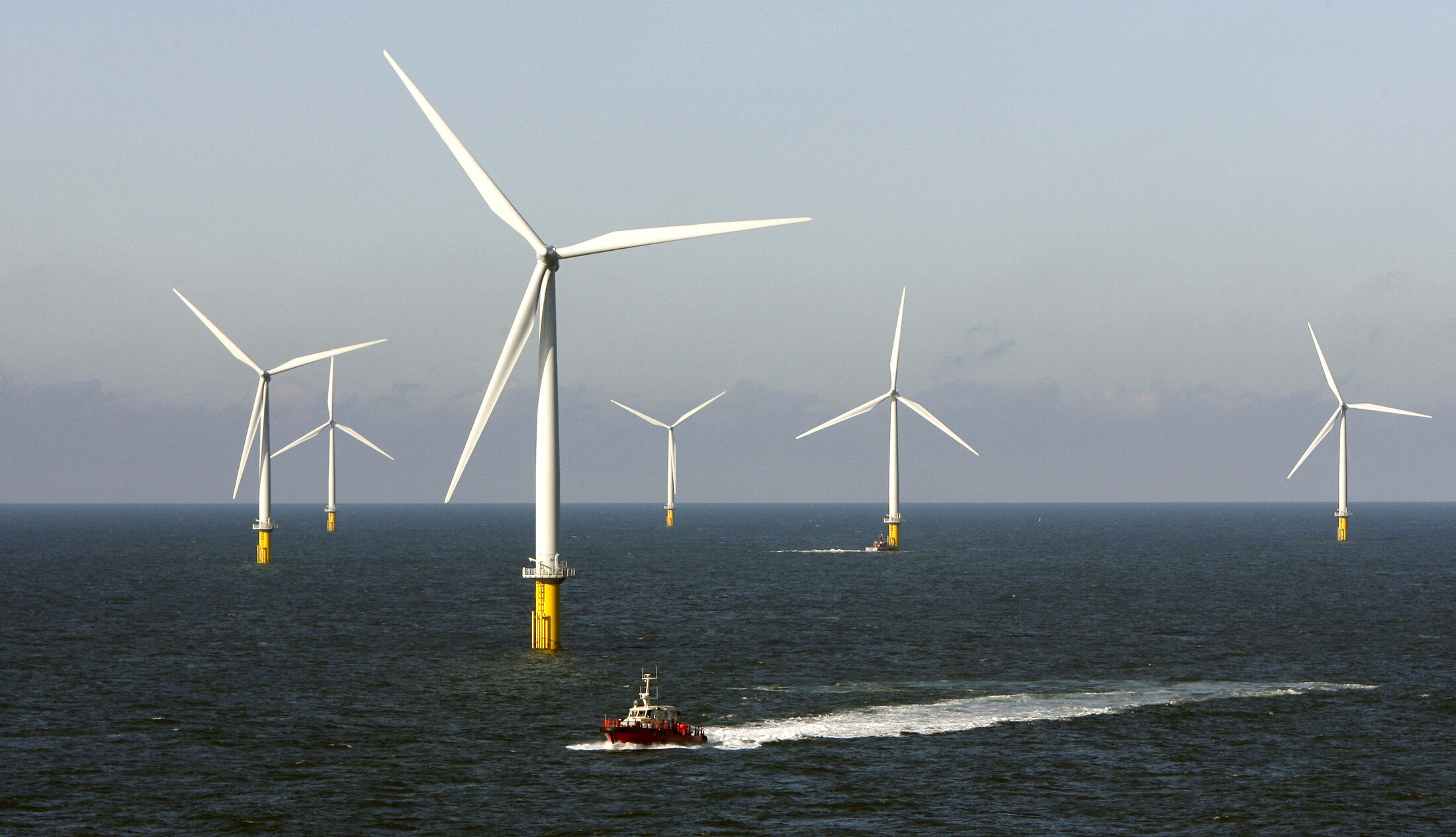
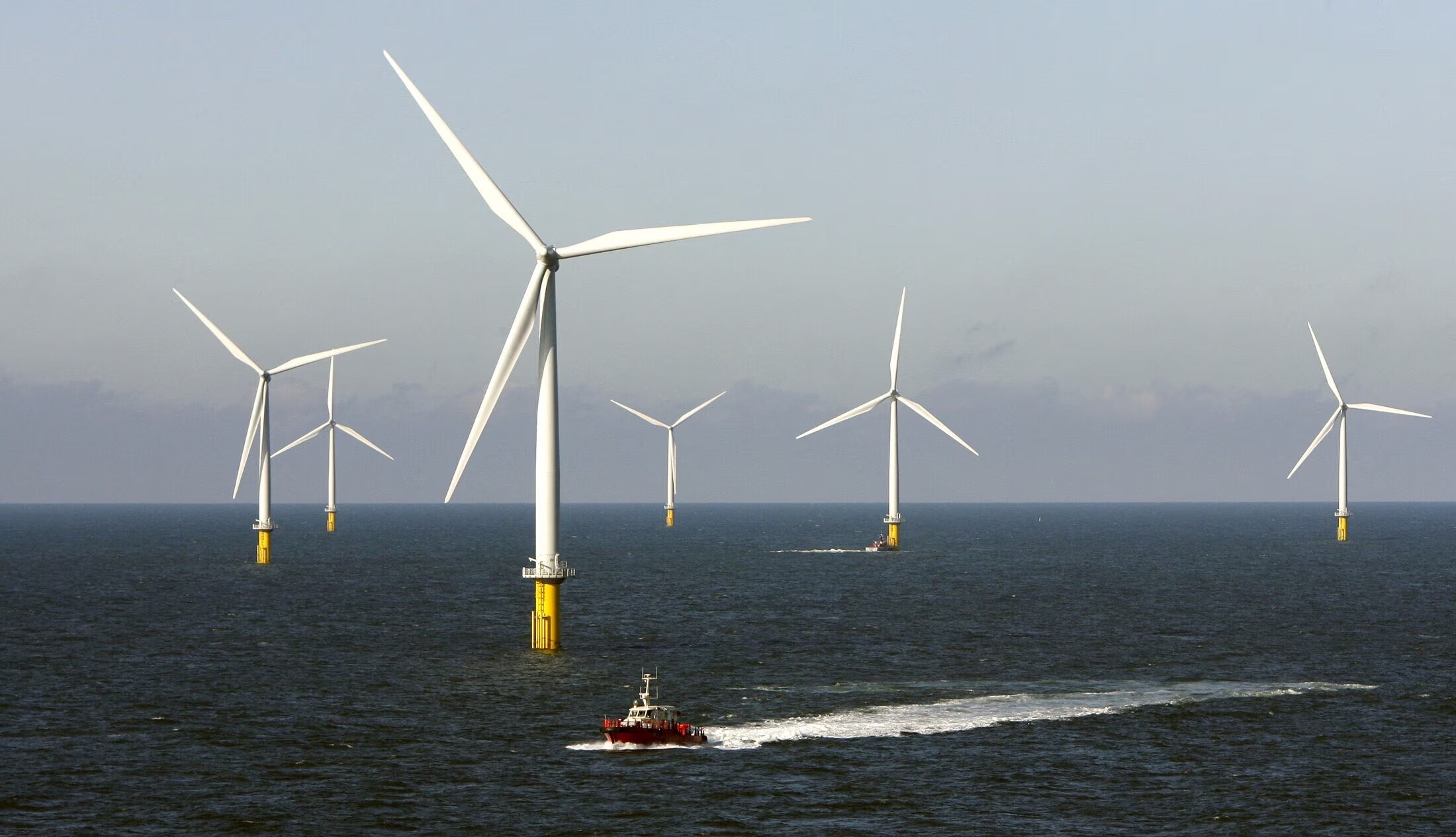
The ocean has macroeconomic significance. Strategic investments in sustainable ocean economy sectors can strengthen portfolios and insulate them from risk.
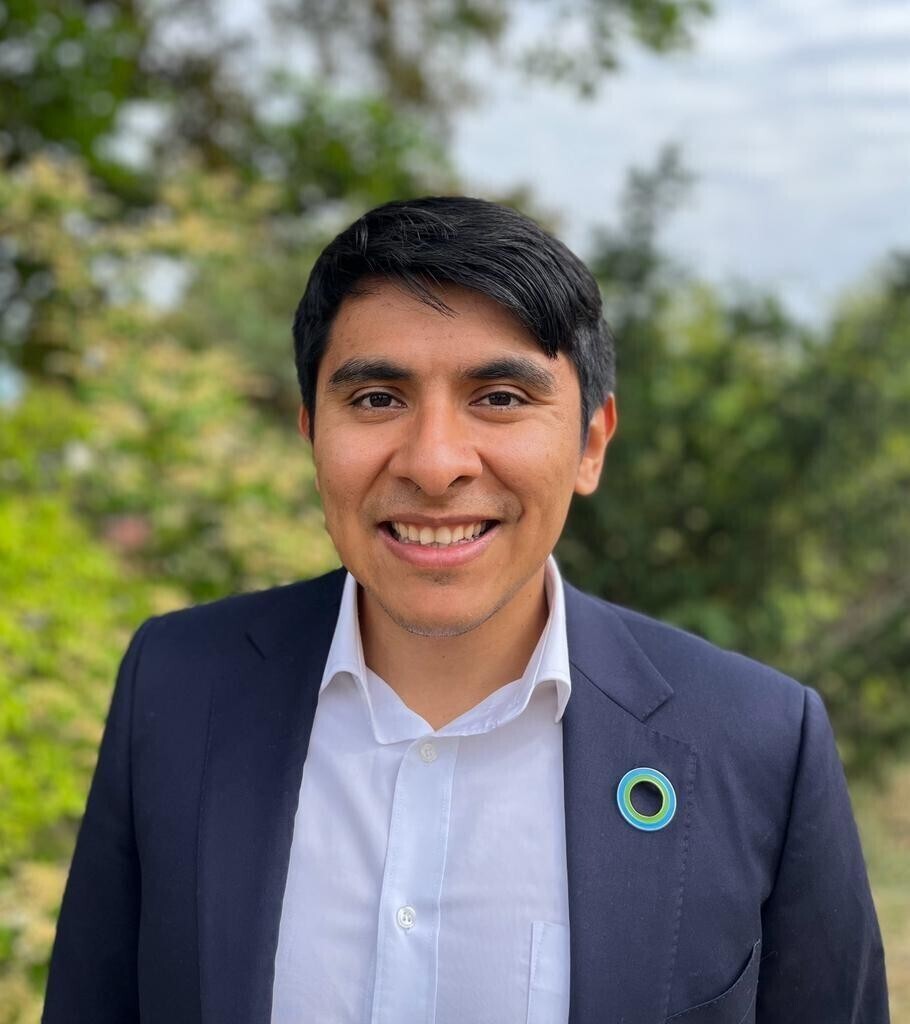
Alfredo is Head of the World Economic Forum’s Ocean Action Agenda and Friends of Ocean Action, leading strategy across a wide range of ocean work. The Ocean Action Agenda work aims to create business and policy transformations for a sustainable ocean. He has wide experience spearheading the creation of public-private partnerships to address pressing ocean challenges related to marine conservation and restoration, sustainable fisheries management, and accelerating the blue economy. His work has contributed to strengthening the role of science in marine policy in over 15 countries. Before joining the Forum, Alfredo was an André Hoffmann fellow at the Stanford Center for Ocean Solutions and the World Economic Forum Centre for the Fourth Industrial Revolution (C4IR), where he led the creation of scientific and technological solutions to combat illegal fishing. He holds a PhD and MSc from the Scripps Institution of Oceanography and a Bachelor in Science from the Universidad Autonoma de Baja California. He was selected as the Roger Revelle awardee by the US National Academy of Sciences in 2021 for his contributions to global ocean policy.
The ocean has macroeconomic significance. Strategic investments in sustainable ocean economy sectors can strengthen portfolios and insulate them from risk.
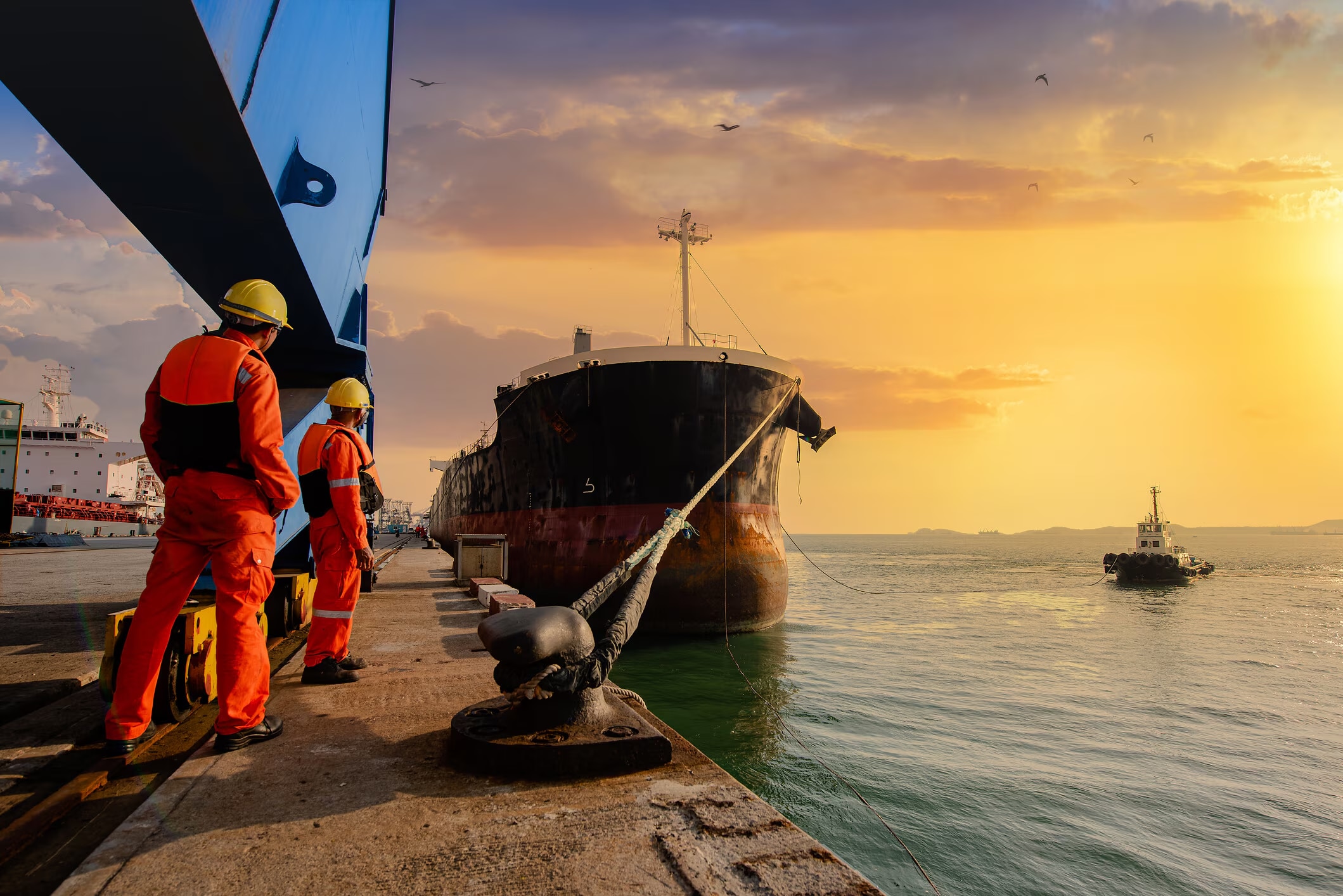
Motores del comercio mundial, los puertos hoy enfrentan grandes desafíos climáticos. Al integrarlos con la naturaleza y la comunidad, protegemos el entorno y aseguramos un crecimiento sos...
港口生态系统贡献了全球国内生产总值的2.6%以及全球贸易的80%,却正承受着气候变化带来的巨大压力。作为众多产业交汇的枢纽,港口必须凝聚共识,在实现自然与人类共同受益的愿景下携手前行,为蓝色与绿色增长开辟全新机遇。
気候変動はインフラシステムに前例のない影響を与えており、港湾はその最前線にあります。港湾はグローバルGDPの2.6%、貿易量の80%を支える一方、その86%が沿岸洪水、暴風雨、熱波、海面上昇などのうち3つ以上の自然災害リスクにさらされています。大規模な対策が講じられなければ、海面の上昇により水没する恐れもあります。
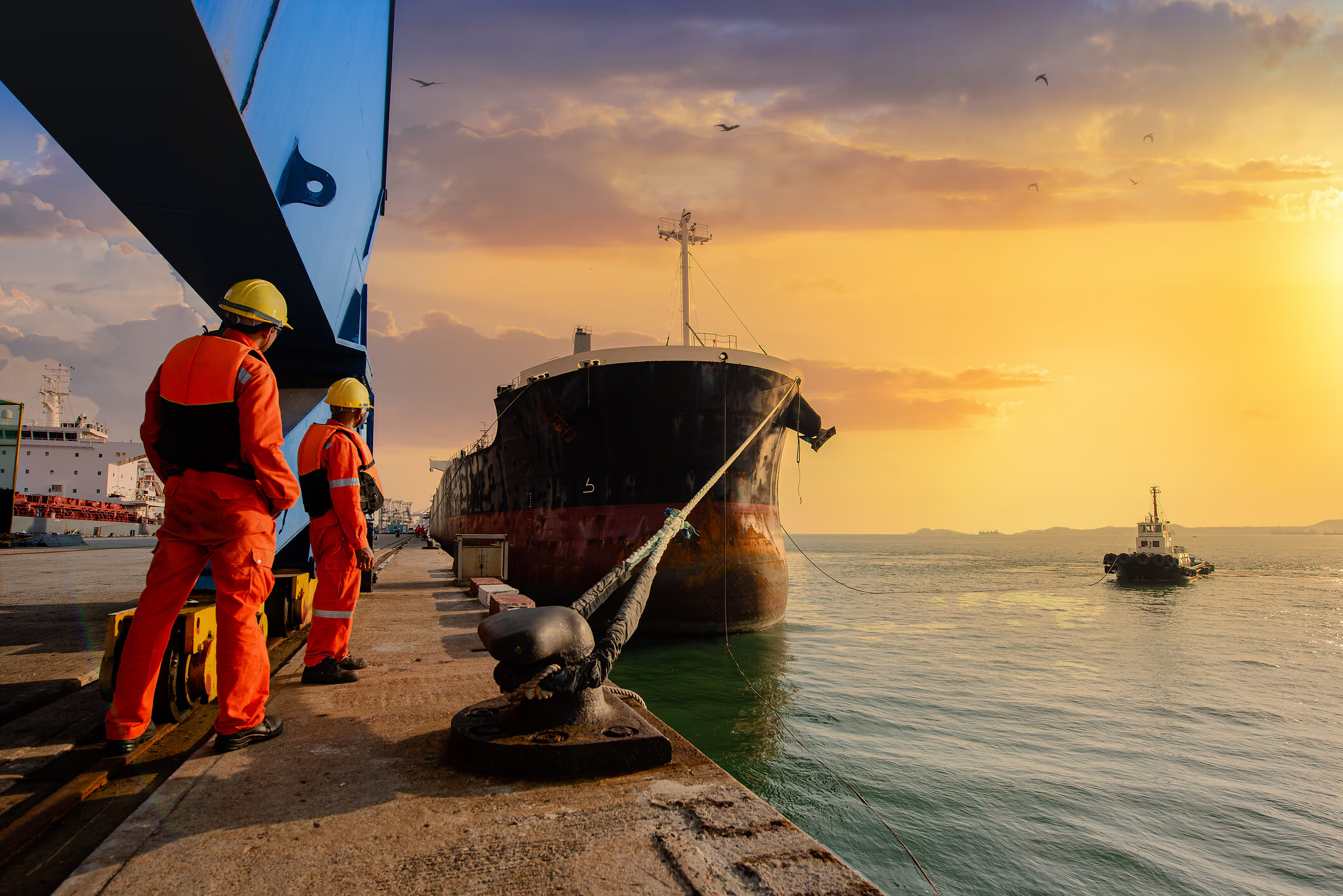
Ports drive global trade but face rising climate risks. Designing nature and people positive ports can protect ecosystems and unlock sustainable growth.
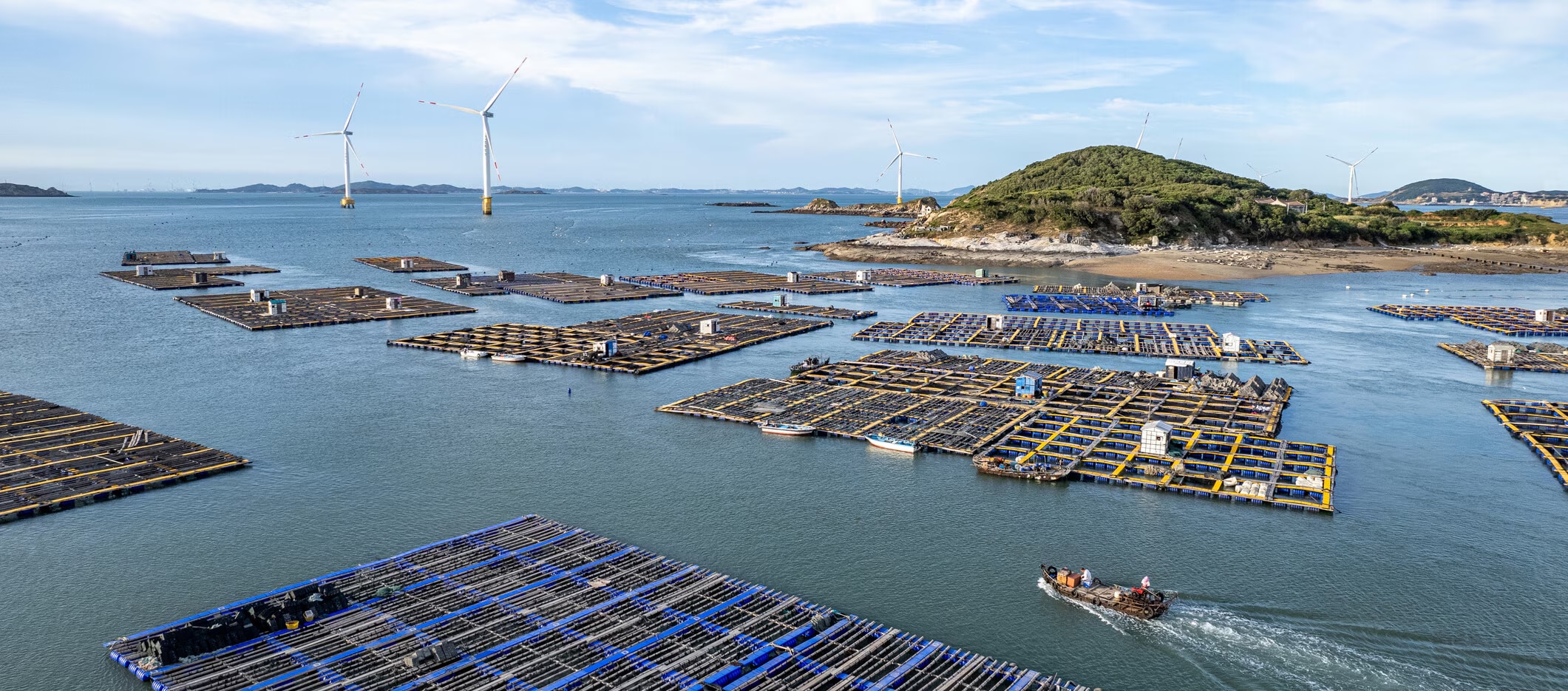
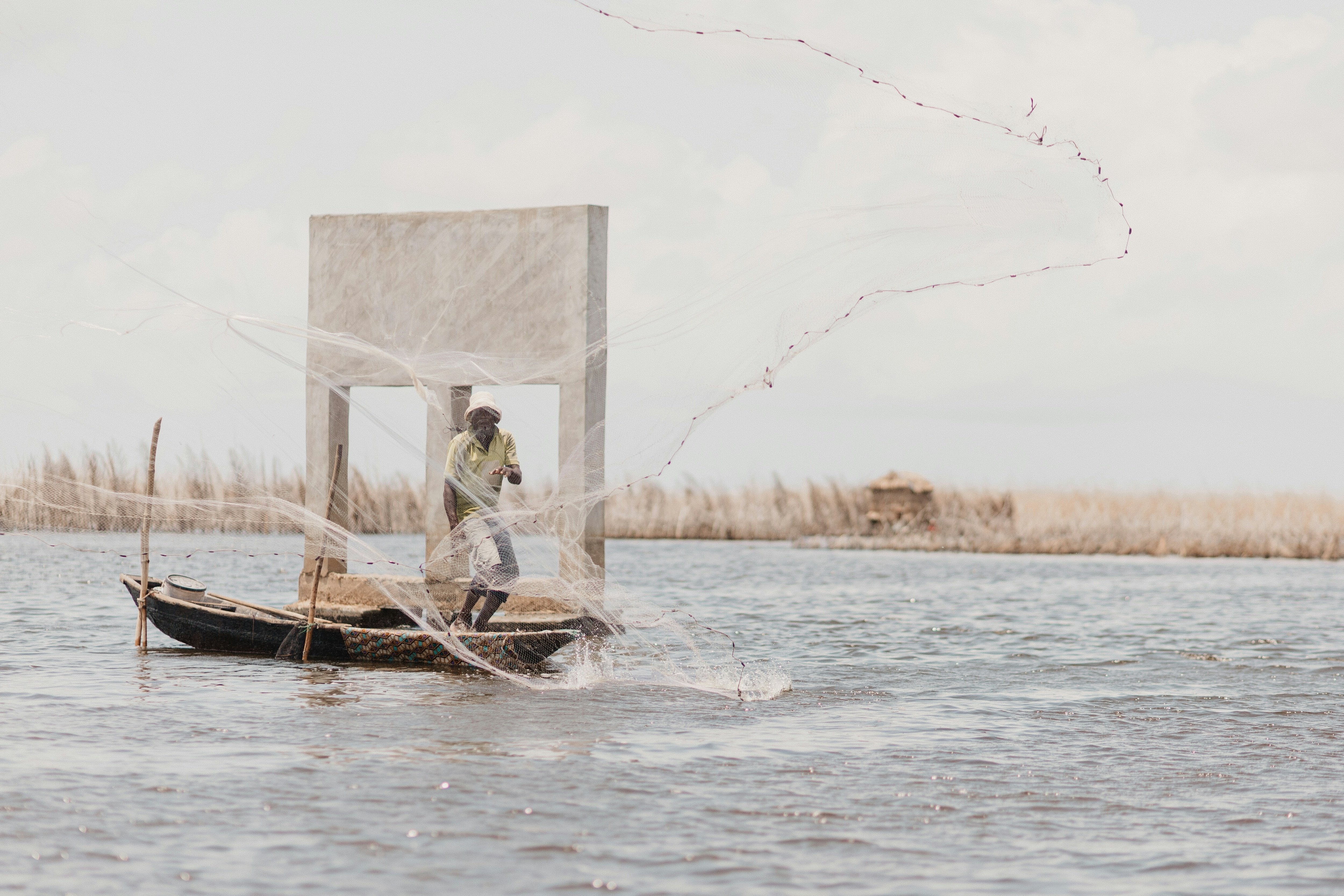
Africa has vast untapped potential in blue food production, with aquaculture offering a pathway to meet sustainable development goals and scale food systems.
The regenerative ocean economy links ocean health to global prosperity, driving trillions in sustainable growth and investment opportunities.
La economía oceánica regenerativa vincula la salud de los océanos con la prosperidad global, generando billones en oportunidades de inversión sostenible.
Para cubrir el déficit de financiación de la salud de nuestros océanos, es necesario reconocer el alto potencial de inversión de la economía azul.
To plug the funding gap that impedes the sustainability of ocean health amid a rapidly rising blue economy means recognizing its high investment potential.
Acelerar la acción en favor de los océanos es crucial para lograr el Objetivo de Desarrollo Sostenible 14. Los esfuerzos deben centrarse en estas cuatro áreas clave.
Accelerating ocean action is crucial to achieving sustainable development goal 14. Ahead of the UNOC 2025 global efforts should focus on four key threads.
The Earth relies on the ocean, but its health is impacted by threats like overfishing. Here's why public-private partnerships are key to restoring ocean health.
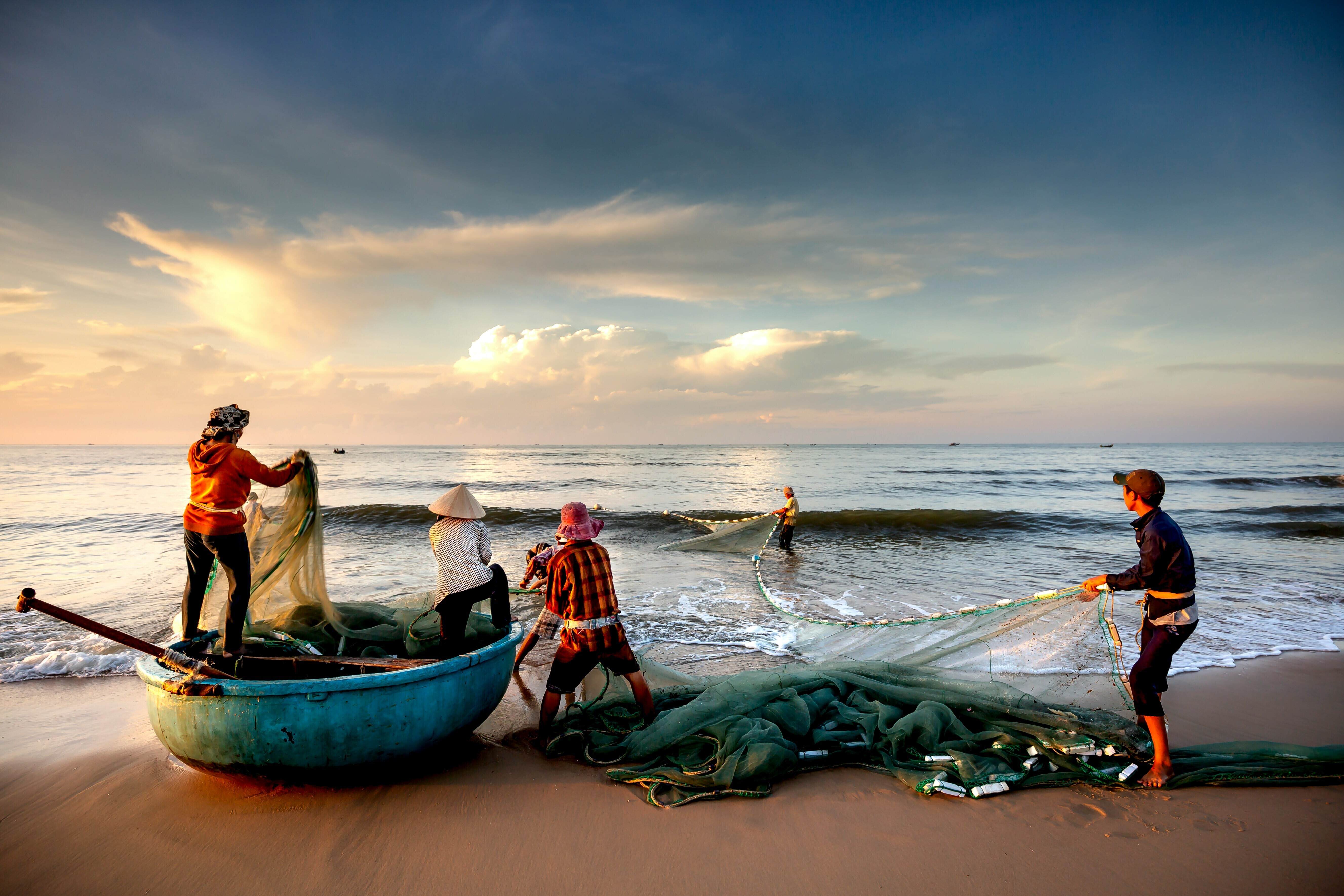
海洋问题的解决方案是COP28的讨论主题之一,但那些受气候变化影响最大的人群在这类讨论中往往没有足够的参与度。必须让足够的“热带大多数(tropical majority)”参与才能保证更多合适的解决方案是“从热带中来,到热带中去”。通过承认原住民和当地社区的专业知识,我们可以将全球对热带危机的讨论转向热带机遇。
People in the tropics, or the 'tropical majority', often have invaluable expertise and knowledge of the ocean that is key to helping protect the high seas.