

Climate Action and Waste Reduction
チョコレートの未来を変える、補完的サプライチェーン
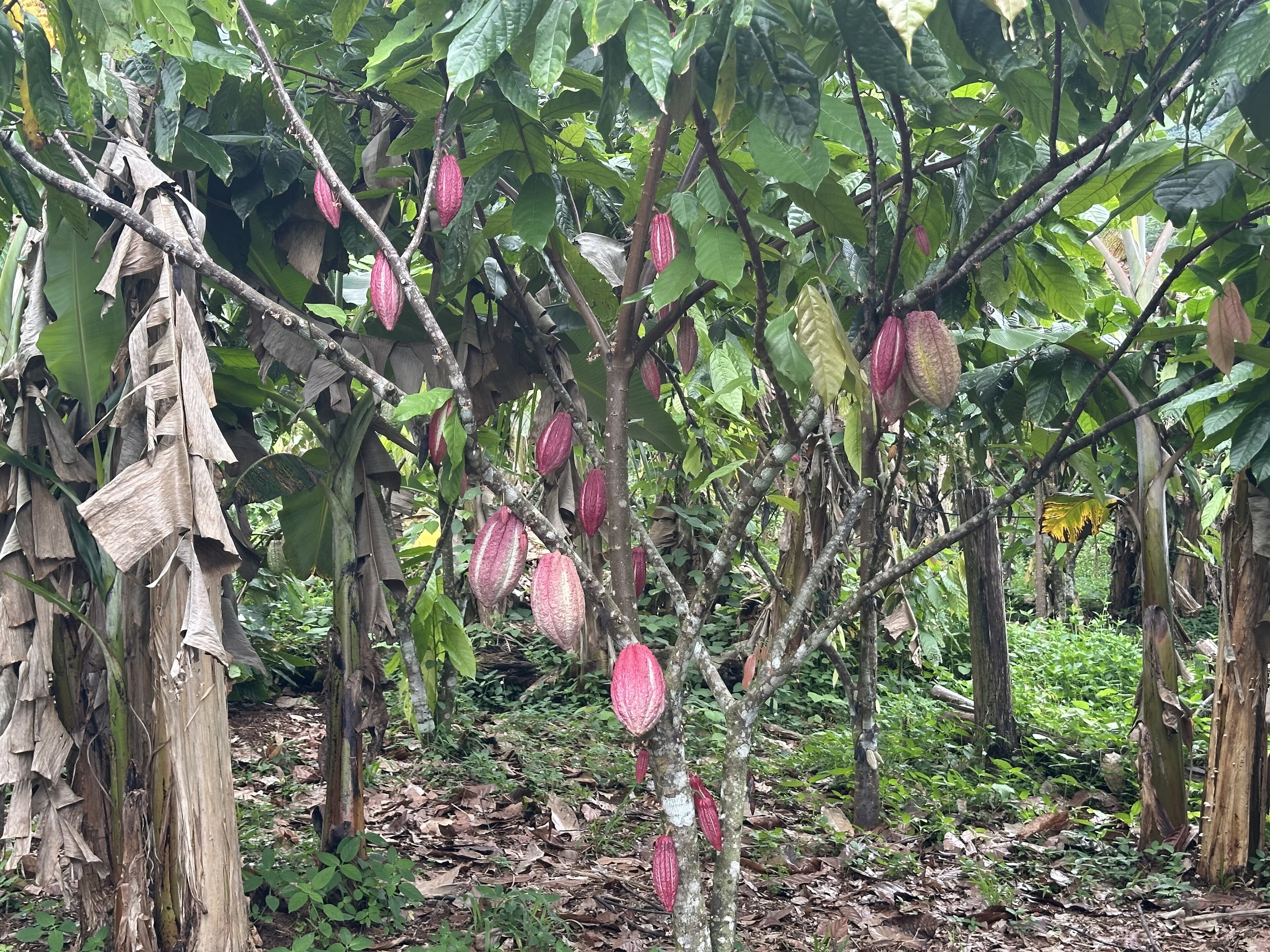
チョコレートやカカオ製品は数十億の人々に喜びをもたらしますが、この贅沢品を食卓に届けるサプライチェーンは厳しい状況に直面しています。気候に配慮した農業、発酵チョコレート、培養カカオといった補完的サプライチェーンが、森林破壊の削減、供給の多様化、価格の安定化への道を開きます。

チョコレートやカカオ製品は数十億の人々に喜びをもたらしますが、この贅沢品を食卓に届けるサプライチェーンは厳しい状況に直面しています。気候に配慮した農業、発酵チョコレート、培養カカオといった補完的サプライチェーンが、森林破壊の削減、供給の多様化、価格の安定化への道を開きます。
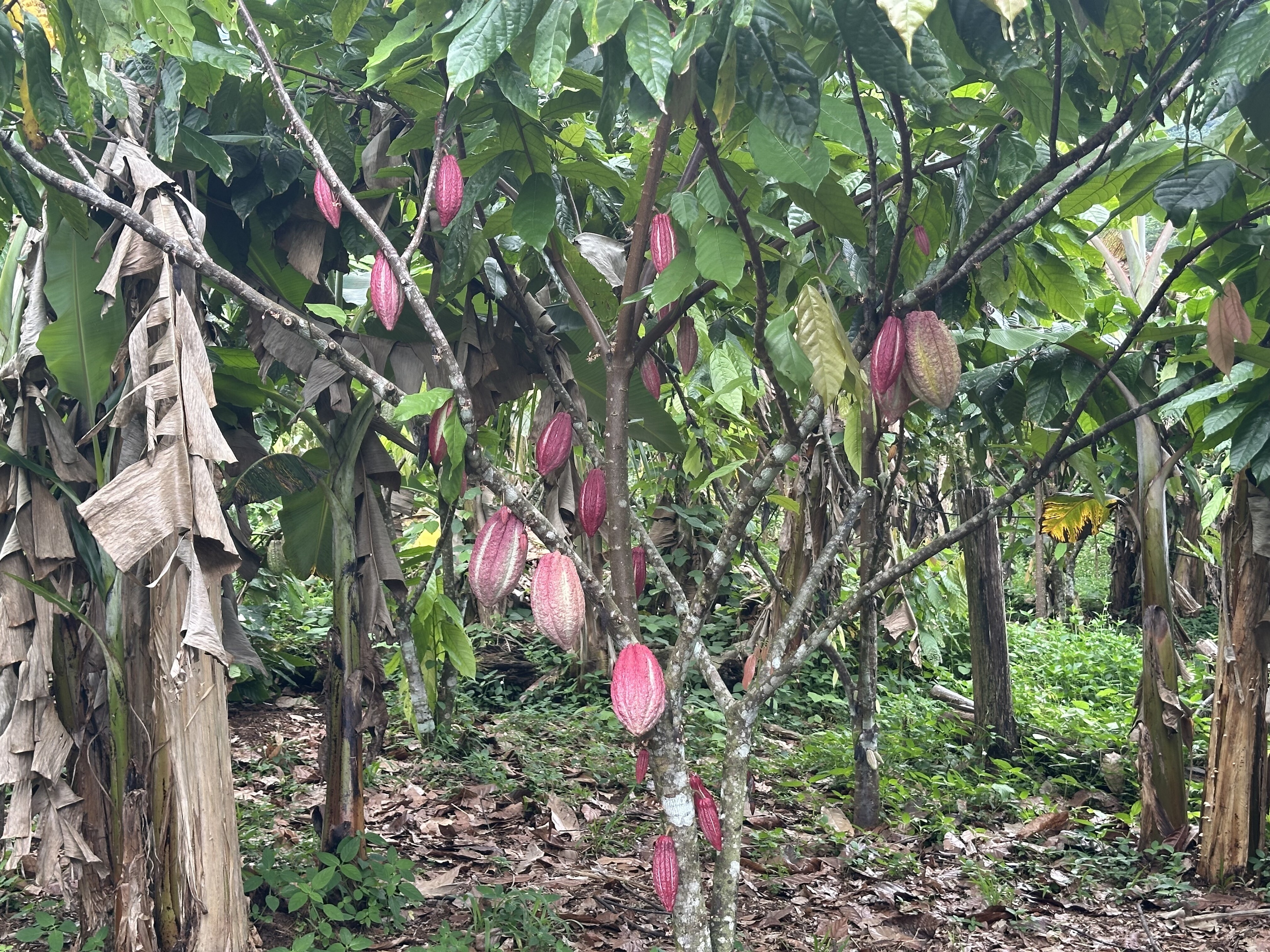
Complementary supply chains, with climate‑smart farming, fermentation‑based chocolate or cell‑cultured cocoa, offer a path to a sustainable cocoa market.

The World Economic Forum’s Net Zero Industry Tracker 2023 details sector-specific technology challenges that impede decarbonization across heavy industry.

Carbon markets can prove useful as part of a new accounting framework to accelerate the green transition of hard-to-decarbonize sectors such as freight.

80% of global carbon emissions derive from supply chains. As such, companies are seeking ways to reduce their footprint — and in this pursuit, the treasury department has a key role to play.

The Forum's Logistics Emergency Team, comprised of four of the biggest global transport companies, delivered aid to Ukraine amidst the humanitarian crisis.

The race to decarbonize transport is on, with automotive companies looking to lower EV production costs and aviation firms eyeing sustainable fuels.

Logistics hubs, like Bahrain's Global Sea-to-Air Logistics Hub, could provide the blend of resilience and speed required for modern logistics.

In this week’s episode of “A Glimpse into the Future": how new technologies will affect global supply chains.


