Financing these 5 low-profile solutions could deliver high impact in reducing black carbon
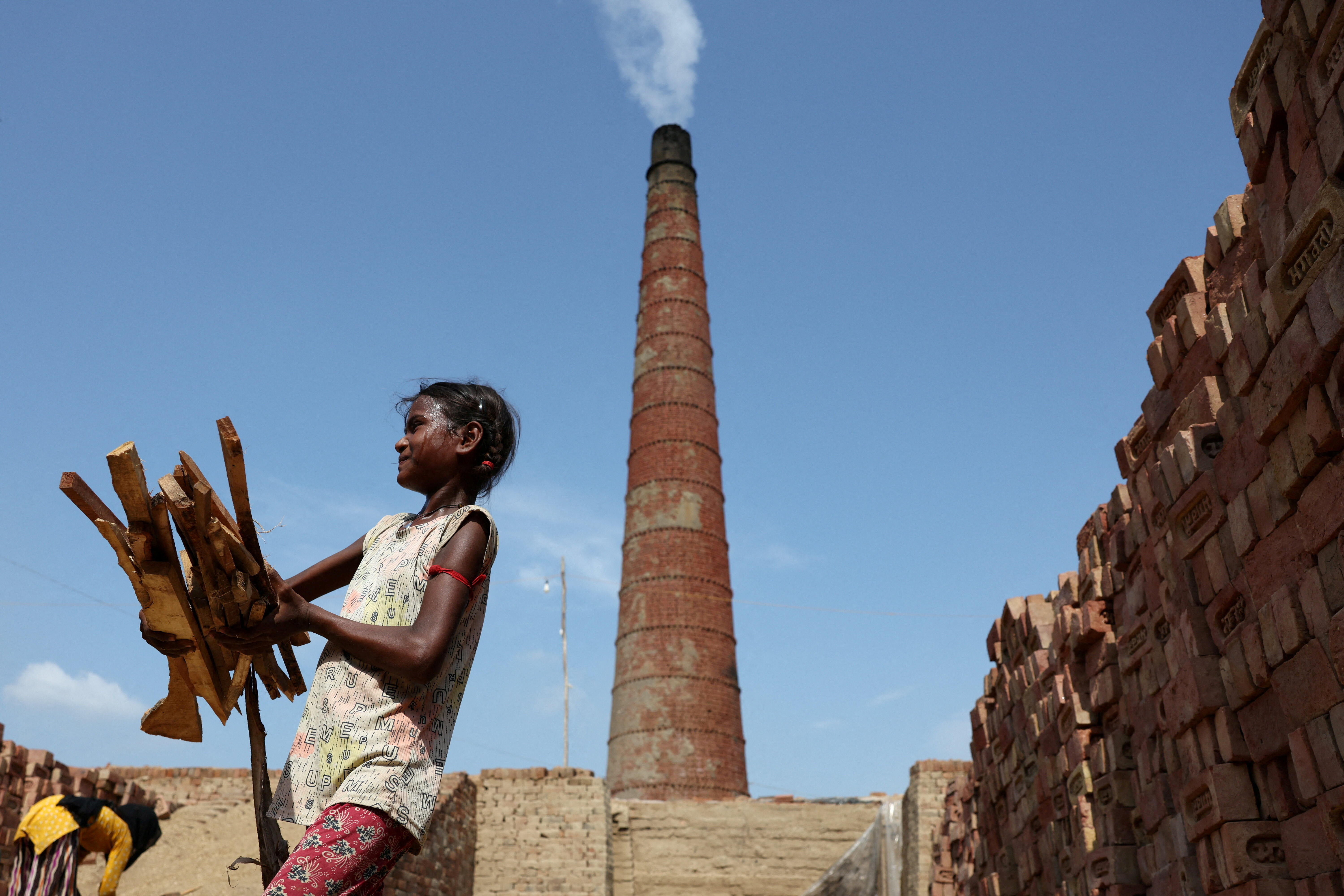
Black carbon mitigation offers a triple win Image: REUTERS/Bhawika Chhabra
- Black carbon mitigation delivers a “triple win,” with benefits for the climate, people’s health and sustainable development goals.
- Development finance institutions, equipped to support environmental aims, are key to unlocking scalable solutions that tackle black carbon.
- Five under-deployed solutions in cooking, agriculture, informal transport and heating could deliver a high impact.
Reducing black carbon is not just an environmental imperative; it’s a development opportunity.
The technologies are widely available and the benefits are clear. What is needed now is leadership from the development finance community to overcome the cost and capacity barriers that hinder progress in low-income regions.
As the world seeks to accelerate progress on the Sustainable Development Goals (SDGs) and Development Finance Reform, black carbon mitigation offers a rare convergence of speed, scale and justice.
Black carbon reduction: A rare triple win
Black carbon or soot is a super pollutant produced by the incomplete combustion of fossil fuels, wood and biomass. It is one of the most toxic air pollutants, contributing to the development of respiratory and cardiovascular diseases. Household air pollution from solid fuels and kerosene causes an estimated 3.2 million premature deaths annually.
Black carbon is also a potent climate forcer, with a warming effect 460-1,500 times greater than carbon dioxide (CO2), according to the UN-convened Climate and Clean Air Coalition, despite remaining in the atmosphere for only a few days.
Its deposition on snow and ice accelerates glacier melt and disrupts rainfall. For example, in the Hindu Kush Himalayas, 1.9 billion people are at risk of water security.
Incorporating black carbon and other short-lived climate pollutants into climate actions will offer a powerful, near-term lever for climate mitigation and adaptation.
Tackling black carbon emissions is a development issue, not just an environmental issue.
”Black carbon reduction offers a powerful triple benefit for health, climate and livelihoods. The World Economic Forum’s white paper, Black Carbon Reduction: A Rapid Action Plan, outlines how targeted mitigation can enhance food security, improve tourism value and deliver measurable development gains.
Why development finance should lead
Tackling black carbon emissions is a development issue, not just an environmental issue. Most black carbon emissions come from sources such as cooking, heating, agriculture and informal transport – areas central to the SDGs but often overlooked by mainstream finance.
Development finance institutions are uniquely positioned to integrate black carbon mitigation into programmes advancing energy access, women’s empowerment, health equity and clean urban infrastructure.
As the Forum white paper notes, controlling black carbon helps “move households and small enterprises up the energy ladder,” generating economic opportunities and growth.
Yet, funding for black carbon reduction remains inadequate. According to the Clean Air Fund report, only 5.9% of total international development funding between 2018 and 2022 was allocated to air quality-related projects, and even less was specifically targeted at reducing black carbon emissions.
The Clean Cooking Fund, launched by the World Bank’s Energy Sector Management Assistance Program in 2019, offers a promising model. By co-financing through multilateral development banks, the fund has developed an initial pipeline of projects amounting to about $100 million in fund co-financing and at least the same amount from the World Bank.
Development finance institutions can build on this success by deploying blended finance, results-based funding and technical assistance to scale other black carbon solutions.
5 high-impact solutions to tackle black carbon
Reducing black carbon is not rocket science. Mitigation technologies are widely available in developed regions but under-deployed in low-income areas.
Here are five practical and scalable interventions where development finance can catalyze outsized returns.
1. Clean cooking
Nearly 2.3 billion people still cook with traditional biomass fuels, emitting large amounts of black carbon and endangering health, especially for women and children. Shifting to liquified petroleum gas, electric or advanced biomass stoves can drastically reduce emissions and prevent up to 770,000 deaths annually.
A financing gap still exists to support affordable access, distribution networks and supporting infrastructure.
2. Agricultural residue management
In South Asia and beyond, the open burning of crop residues causes seasonal spikes in black carbon and harmful smog.
Alternatives such as community composting, biomass reuse and “happy seeders” not only reduce pollution but also generate economic value. Development finance institutions can fund cooperative models, mechanization and innovation ecosystems.
The urgency to act has never been greater. The UN has designated 2025 as the International Year of Glacier Preservation, highlighting the need to protect fragile water systems affected by black carbon.
”3. Electric two- and three-wheelers
Diesel-powered motorbikes and rickshaws are major urban polluters. Supporting electric alternatives, including battery-swapping networks, offers cleaner, cheaper mobility while creating green jobs. Development finance can enable infrastructure, concessional loans and public-private pilots.
4. Brick kiln and coke stove modernization
Traditional brick kilns and coke ovens are major industrial sources of black carbon, especially in South Asia, parts of Africa and Latin America.
Low-efficiency technologies burn dirty fuels, such as tyres, plastic and low-grade coal, releasing toxic emissions.
Investing in upgrading to zig-zag or vertical shaft kilns can reduce particulate emissions by up to 60% and improve production efficiency, generating jobs. Modern coke ovens with recovery systems also cut pollution and improve worker safety.
5. Sustainable and affordable heating
In colder rural regions, coal and biomass are still widely used for winter heating, leading to black carbon emissions and poor indoor air quality.
Clean heating – such as pellet stoves, electric heat pumps and district systems powered by renewables – offers a healthier path. Development finance institutions can help scale retrofitting programmes, provide appliance subsidies and fund enabling infrastructure.
2025: A defining year for action
The urgency to act has never been greater. The UN has designated 2025 as the International Year of Glacier Preservation, highlighting the need to protect fragile water systems affected by black carbon.
This July, the International Conference on Financing for Development presents a pivotal opportunity for development finance leaders to elevate black carbon mitigation as a high-impact, high-return investment priority.
It’s time to seize this opportunity and make 2025 the year that action meets ambition.
Don't miss any update on this topic
Create a free account and access your personalized content collection with our latest publications and analyses.
License and Republishing
World Economic Forum articles may be republished in accordance with the Creative Commons Attribution-NonCommercial-NoDerivatives 4.0 International Public License, and in accordance with our Terms of Use.
The views expressed in this article are those of the author alone and not the World Economic Forum.
Related topics:

Forum Stories newsletter
Bringing you weekly curated insights and analysis on the global issues that matter.
More on Climate Action and Waste Reduction See all

Laetitia Gardé and Marc Delobelle
February 26, 2026


