Addressing Northern Mexico's water-energy nexus amid an industrial boom
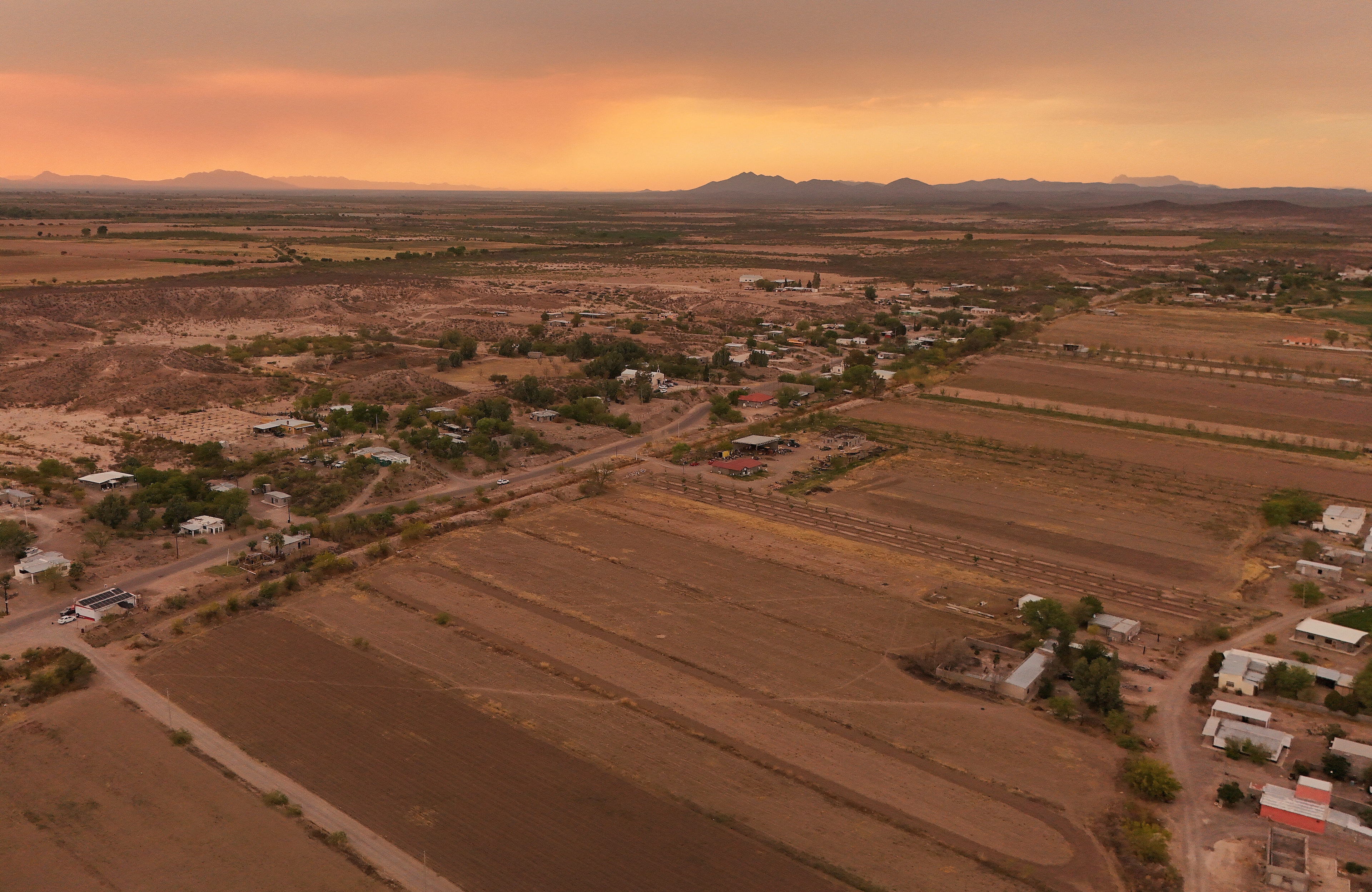
Northern Mexico’s economic expansion in manufacturing and energy is jeopardized by chronic water scarcity Image: REUTERS/Jose Luis Gonzalez
- Northern Mexico’s economic expansion in manufacturing and energy is jeopardized by chronic water scarcity.
- The region highlights the urgent need to align water, energy and climate policies in the energy transition.
- Projects such as shale gas, breweries and data centres show how water constraints shape sustainable development.
Northern Mexico has long been geographically and economically critical to Mexico’s national development. Proximity to the US border, a business-friendly environment and an entrepreneurial culture make the region prime for foreign direct investment, particularly amid the current wave of nearshoring.
It is also central to Mexico’s energy system: it hosts oil and gas fields, wind and solar resources, critical minerals, industrial energy users and potentially, next-generation technologies such as hydrogen and advanced battery production.
Yet the entire region is highly water-stressed. According to Mexico’s National Water Commission, over 45% of its aquifers are overexploited and rainfall averages are among the lowest in the country. Water governance is fragmented, infrastructure is ageing and climate change is intensifying drought frequency and severity.
As Mexico pursues emissions cuts, energy security and clean tech growth, the north faces a key question: can it sustain the energy transition with shrinking water resources?
Energy and water use in Northern Mexico
1. Shale gas and water tradeoffs
The Burgos Basin in northeastern Mexico holds vast shale gas reserves; unlocking it could help Mexico displace fuel oil, reduce energy imports, and provide feedstock for cleaner hydrogen and petrochemical development.
Northern Mexico is a microcosm of the broader resource competition that will define the global energy transition.
”However, shale extraction’s immense water use and the risks from fracking, as well as the rollback of Mexico’s 2013 energy reform, have largely halted shale development.
Unless water issues are more diligently addressed in Northern Mexico, shale gas development will remain limited. Clean energy pathways must be prioritized for Mexico’s successful energy transition.
2. Semiconductor manufacturing and the race for purity
As the United States incentivizes domestic semiconductor supply chains through the CHIPS Act, northern Mexico is positioning itself as a partner in packaging, testing and assembly.
However, semiconductor production is extremely water-intensive, posing challenges for already water-stressed cities such as Monterrey.
Building the digital and clean energy economy must align with local water limits and include strong recycling and efficiency measures.
3. Data centres, energy use and cooling demands
The growth of artificial intelligence and cloud computing has exponentially increased demand for data centres, with Northern Mexico a cost-effective location to serve North American markets.
However, data centres also consume vast energy and water for cooling and redundancy systems. Most regional designs still rely on evaporative cooling, using up to 1 million gallons of water per day. They drive up local energy demand, deepening reliance on Mexico’s fossil-heavy grid, where renewables remain underdeveloped.
For the energy transition, green digital infrastructure must be water- and energy-efficient, ideally powered by local renewables and employing advanced cooling systems such as direct air or liquid immersion.
4. The beer industry: Public backlash and governance gaps
The cancelled $1.4 billion Constellation Brands brewery in Mexicali highlights the risks associated with industrial projects in water-scarce areas. Despite obtaining permits, public protests over water use halted the plant’s operation.
The plant was planned in a region reliant on the Colorado River and Mexicali Valley aquifer, where water is already stretched thin. The backlash revealed weak water policies and reputational risks for ignoring community concerns.
This highlights the need to incorporate social licence and equitable water access into planning, particularly for water-intensive industries in water-stressed regions.
Water, energy and climate: The broader picture
Northern Mexico is a microcosm of the broader resource competition that will define the global energy transition. Water is essential for nearly all energy production. Conversely, energy is needed to extract, pump, treat and deliver water, especially as regions turn to desalination and wastewater recycling.
Northern Mexico is a frontline region in the global energy transition.
”This creates a resource interdependency often overlooked in project-level planning. In northern Mexico, where energy and water are finite and vulnerable to climate disruption, this oversight is increasingly untenable.
Mexico also has its neighbour to think about.
Under the 1944 Water Treaty, Mexico must deliver water to the United States from the Rio Grande basin, while the latter has to provide water to Mexico from the Colorado River. As flows decline due to drought and overuse, treaty obligations are becoming more difficult to fulfill.
Tensions flared in 2020 when farmers in Chihuahua protested water releases from local dams to meet Mexico’s treaty commitments, arguing their communities would face shortages.
The conflict turned violent and drew attention to the fragile state of transboundary water governance. More recently, the Trump administration has called on Mexico to settle its water debt, complicating an already tense relationship in 2025.
Regional cooperation on water and energy must be institutionalized, not just in trade and investment agreements but also in US-Mexico climate and security dialogues.
Key lessons for energy transition planning
For a sustainable future that aids innovation and a secure US-Mexico cooperation, the following recommendations can be applied to energy transition planning:
- Integrate water into energy and industrial strategy: Water must be treated as a core input, not an externality, in decisions about energy generation, industrial siting and grid expansion.
- Require water impact assessments for new infrastructure: Whether building a hydrogen plant, a battery gigafactory or a data centre, water availability and resilience assessments should be compulsory for developers.
- Prioritize water-efficient technologies: From dry cooling in power plants to circular water systems in manufacturing, investment in water efficiency is critical to sustaining energy transition infrastructure.
- Develop a workforce oriented towards the water-energy nexus: Universities and technological colleges must work with industry to strengthen the skills base and talent pool in this critically important area, providing benefits for industry and well-paid jobs for the local population.
- Modernize water governance and pricing: Mexico’s water allocation regime lacks transparency and enforcement. Reform is urgently needed to reduce inefficiency and incentivize conservation.
- Expand US-Mexico climate coordination: Shared water basins and supply chains require joint resilience planning, especially as both countries pursue decarbonization goals.
Towards a just and sustainable transition
Northern Mexico is a frontline region in the global energy transition. It is industrializing rapidly, embracing digitization and attracting investment in new energy and manufacturing systems. Yet it also faces extreme water stress, public discontent and climate vulnerability.
This case shows that a just energy transition requires not only decarbonization, but smart governance of water, land and social equity. Without that, economic development will be constrained, investments will be at risk and public trust will erode.
As countries around the world pursue green industrial policies and net-zero targets, northern Mexico serves as a cautionary tale and a call to action.
Don't miss any update on this topic
Create a free account and access your personalized content collection with our latest publications and analyses.
License and Republishing
World Economic Forum articles may be republished in accordance with the Creative Commons Attribution-NonCommercial-NoDerivatives 4.0 International Public License, and in accordance with our Terms of Use.
The views expressed in this article are those of the author alone and not the World Economic Forum.
Stay up to date:
Industry: Oil and Gas


Forum Stories newsletter
Bringing you weekly curated insights and analysis on the global issues that matter.
More on BusinessSee all

Temidayo Akenroye and Hushneara Begum
April 10, 2026


