Extreme weather now 'normal' for UK, and other nature and climate news
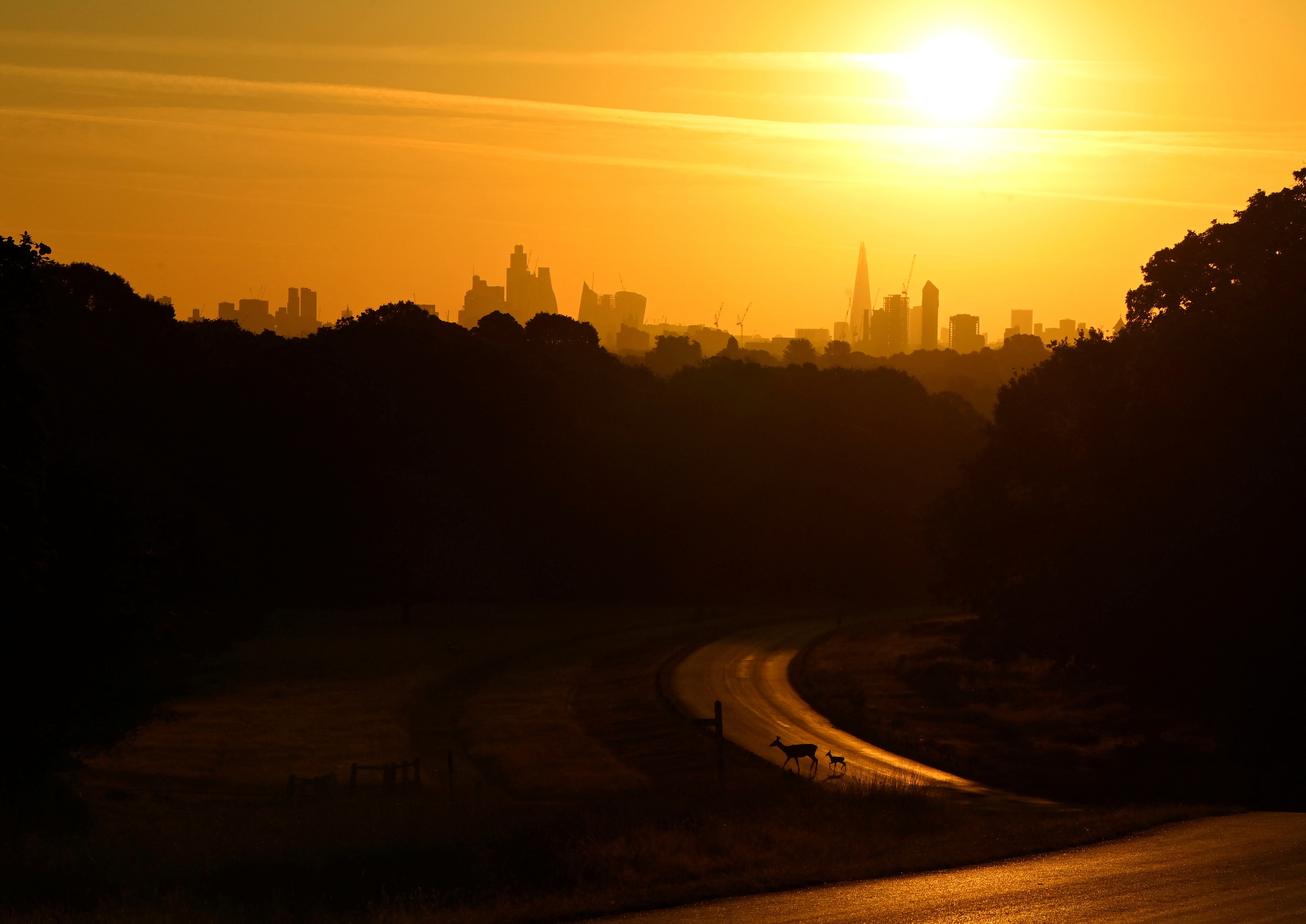
This round-up contains some of the key nature and climate news from the past week. Image: REUTERS/Toby Melville
- This round-up contains some of the key nature and climate news from the past week.
- Top stories: UK weather extremes 'becoming the norm'; Dust storms affecting millions; G20 financial stability watchdog delivers climate risk plan.
1. UK weather extremes 'becoming the norm'
Extreme weather is becoming commonplace in the UK, according to a report from the country's national weather service.
As the climate continues to warm, UK heat and rainfall records are being broken increasingly frequently, the State of the UK Climate report says. Heatwaves and periods of flood or drought are becoming more intense and happening more often.
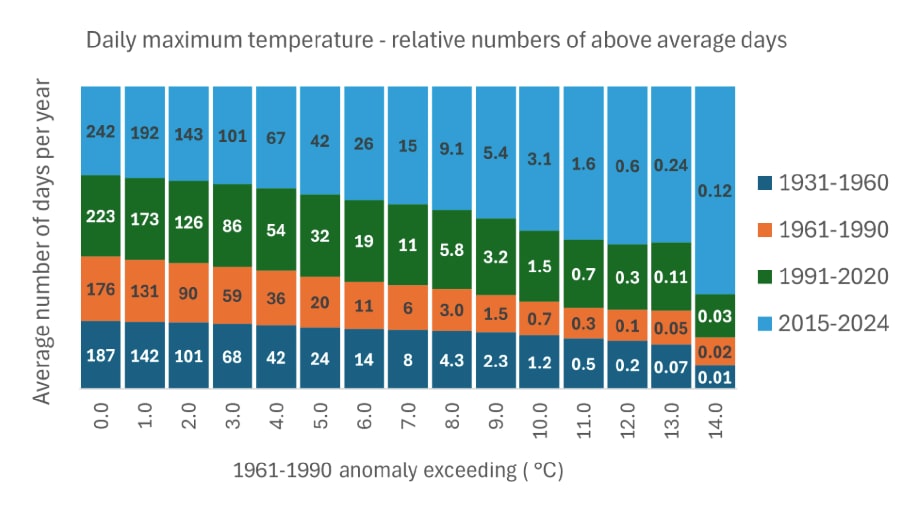
New analysis in the report, which compares the decade up to 2024 with averages between 1961 and 1990, finds that the number of days with temperatures 5°C above the average has doubled for 2015-2024. For 8°C above average, the number has trebled and for 10°C it has quadrupled.
Alongside, the climate is becoming wetter, with an increase in rainfall between October and March. In that 'winter half-year' period, the UK is now 16% wetter than the same period in 1961-1990.
"Our climate in the UK is now notably different to what it was just a few decades ago," said the report's lead author, Met Office Climate Scientist Mike Kendon.
2. Sand and dust storms a 'growing hazard'
Sand and dust storms affect hundreds of millions of people and are taking an increasing toll on health, economies and the environment, a report from the World Meteorological Organization (WMO) says.
About 330 million people in 150 countries are affected by 2,000 million tons of sand and dust that enter the atmosphere every year, according to the United Nations agency's latest Airborne Dust Bulletin.
These sand and dust storms occur naturally but are being aggravated by poor water and land management and drought, the report finds. More than 80% of this dust originates from deserts in North Africa and the Middle East but can be transported across continents and oceans.
According to the WMO, these storms harm air quality and human health, affect transport, agriculture and solar energy, and cause big economic losses. The findings highlight the need for continued improvements in monitoring, forecasting and early warnings, it says.
3. News in brief: Other top nature and climate stories this week
The G20's Financial Stability Board has delivered a new plan on how to tackle climate risks, saying it will step up coordination and data sharing on climate-related financial risk. Alongside, with some members believing the work completed so far is sufficient, it has paused policy work in some areas.
Most European Union countries have backed plans to agree a deal on their new climate change target by September, Reuters reports. EU nations are negotiating a new 2040 target, which the European Commission has said should be a 90% emissions reduction from 1990 levels.
Flocks of flamingos have become an unexpected problem for risotto rice farmers in Italy’s Ferrara province. The birds, which arrived in the area relatively recently, damage crops as they search for food in fields that have been flooded to germinate newly planted rice seeds.
Construction workers at a site in Tokyo, Japan, have been given air-conditioned jackets fitted with cooling fans as temperatures have soared above 35°C. Extreme heat has become a feature of summers in the country.
Researchers examining Arctic whale faeces over the past two decades say rising ocean temperatures are causing an increase in algal toxins in marine food chains. This could threaten wildlife including food sources that local communities depend upon.
How the Forum helps leaders align climate action with nature-positive growth
4. More on the nature and climate crisis from Forum Stories
Investing in climate and nature solutions presents an opportunity to restore and protect the natural world, but also to boost GDP, create jobs, strengthen industries and enhance long-term resilience. Deep, cross-sector collaboration will be required to achieve this – a new white paper from the World Economic Forum explores how this action needs to look.
Increasingly, the climate crisis in the Balkans, as in the rest of Europe, isn’t abstract but an everyday reality, threatening health, undermining jobs, deepening inequality and straining the resilience of vulnerable economies. But without proper safeguards, our response risks deepening inequality – urgent, inclusive and well-planned action is needed to ensure a just green transition.
License and Republishing
World Economic Forum articles may be republished in accordance with the Creative Commons Attribution-NonCommercial-NoDerivatives 4.0 International Public License, and in accordance with our Terms of Use.
The views expressed in this article are those of the author alone and not the World Economic Forum.

Forum Stories newsletter
Bringing you weekly curated insights and analysis on the global issues that matter.
More on Climate Action and Waste Reduction See all

Namit Agarwal
February 25, 2026


