Extreme heat: What to know about the deadliest climate risk of our time
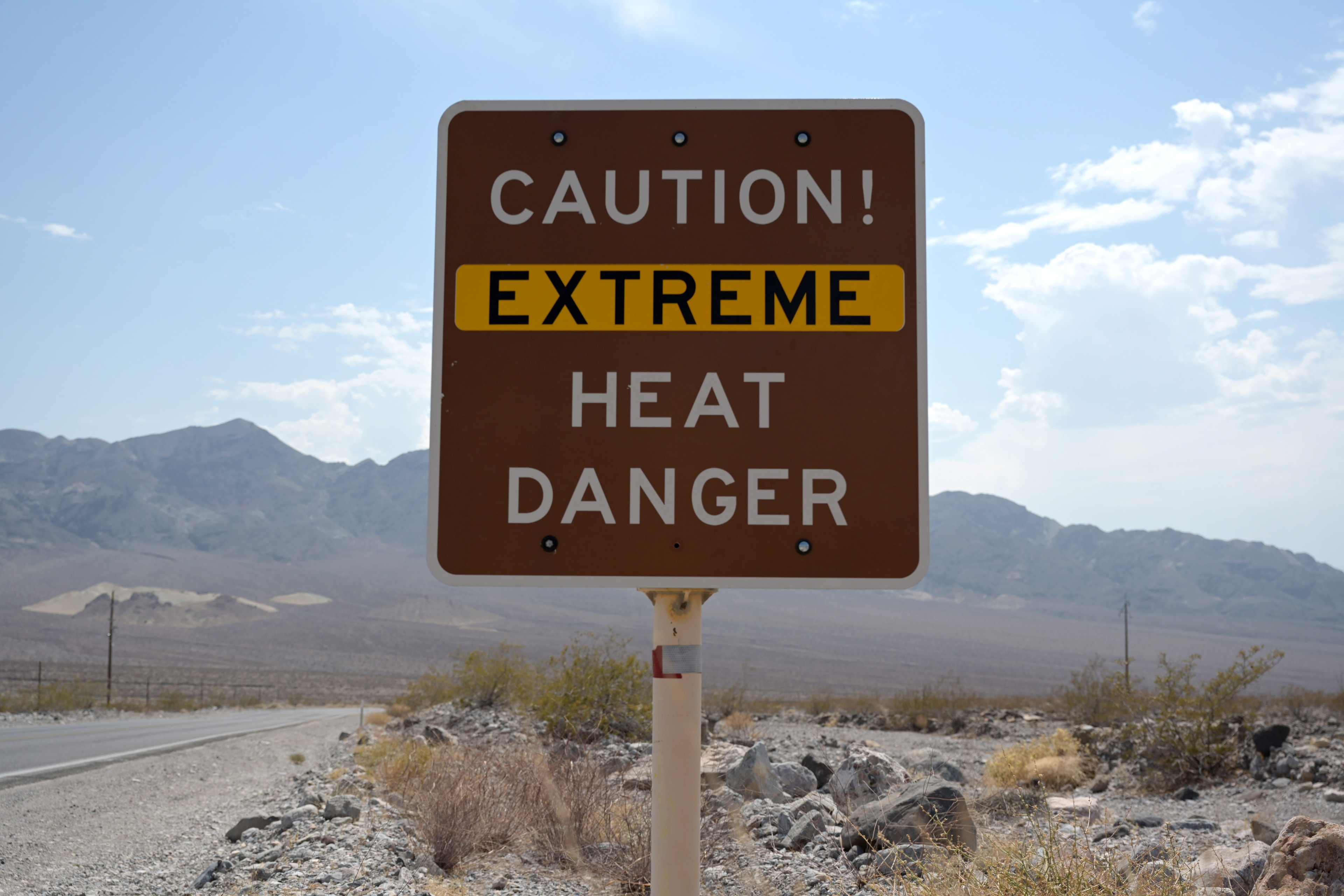
Extreme heat is no longer only a threat in notoriously dangerous environments such as Death Valley, California. Image: REUTERS/Bridget Bennett
- Dubbed a 'silent killer', extreme heat causes almost half a million deaths annually.
- The rate of warming is accelerating at an unprecedented pace, creating significant risks for vulnerable populations.
- The world must shift to proactive resilience investments in order to mitigate the consequences of extreme heat.
Extreme heat is the deadliest climate risk of our time. It claims 489,000 deaths annually – more than floods, hurricanes, earthquakes and wildfires combined.
Earth's average surface temperature in 2024 was the warmest on record, averaging 1.55°C above pre-industrial levels.
This milestone has come with devastating consequences for human health, productivity and social stability around the world.
Despite its impact, extreme heat is referred to as a 'silent killer', as it lacks the visibility of other extreme weather events.
So what are the causes, impacts and solutions to this global threat?
Unprecedented warming
The rate of warming is accelerating at an unprecedented pace. Current global temperatures are rising at approximately 0.26 °C per decade.
Each fraction of a degree of warming will have a bigger impact than the last on lengthening heatwaves, as well as increasing their frequency.
Regional variations in warming patterns add complexity to this issue too. Some regions face disproportionately severe impacts, such as in areas already experiencing high baseline temperatures.
The Arctic has warmed at a rate nearly four times the global average, leading to ice melting and sea levels rising.
Humanity's footprint
There is overwhelming consensus within the scientific community that human activity — primarily from burning fossil fuels — has warmed the Earth's surface and oceans beyond the natural fluctuations we would expect in a climate.
The Intergovernmental Panel on Climate Change (IPCC) has stated: "Human activities, principally through emissions of greenhouse gases, have unequivocally caused global warming".
The ten highest annual maximum global-average daily temperatures of the last 50 years have all occurred in the past ten years.
Heatwaves in a warming climate
The frequency and intensity of heatwaves have been increasing since the 1950s.
The longest heatwaves — which can last for weeks — show the greatest increase in frequency.
Heat dome events that drive extreme temperatures worldwide are also becoming increasingly common. A heat dome is formed when an area of high pressure in the atmosphere remains over the same region for a prolonged period of time, acting like a lid on a pot. This traps the hot air, while not letting cool air in.
The Pacific Northwest heat dome of 2021 is a prime example of the dangers heat domes can pose.
These events can easily overwhelm communities unprepared for such prolonged periods of extreme heat.
Adding to the risk, heatwaves typically converge with other extreme weather events such as droughts, wildfires and air pollution to cause compounding damage that puts significant strain on healthcare systems and critical infrastructure.
The human cost of rising temperatures
Extreme heat poses profound and escalating risks to human health, though the impacts are not shared equally.
The United Nations (UN) Environment Programme's recent Frontiers 2025 report reveals that heat-related deaths among adults aged 65 and above have surged by an estimated 85% since the 1990s.
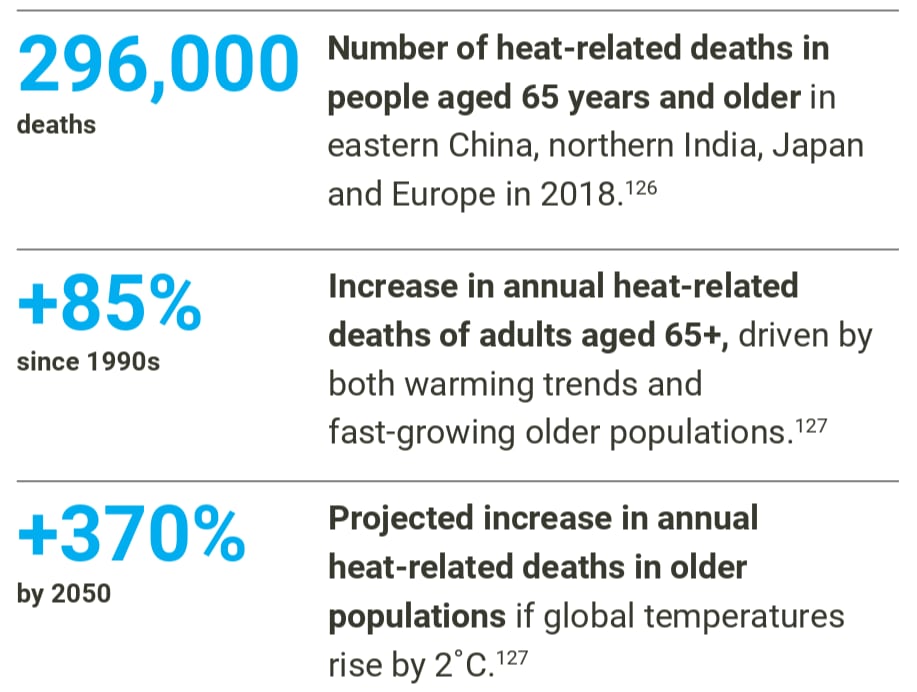
Older people are less resistant to heat stress. As the authors state: "Acute and prolonged exposures to intense heat and cold put a significant strain on the heart, increasing the risk of illnesses and death from common cardiovascular, cerebrovascular and respiratory conditions, such as stroke, myocardial infarction, heart failure, asthma and pneumonia."
The European heatwave of summer 2022 brought this issue into clearer view.
A comprehensive analysis covering 35 European countries found that 61,672 heat-related deaths occurred between 30 May and 4 September, 2022. The study revealed that women experienced 56% more heat-related deaths than men, with particularly high mortality rates among women aged 80 and above.
Outdoor workers are another highly vulnerable group in a warming climate, as the video below explores.
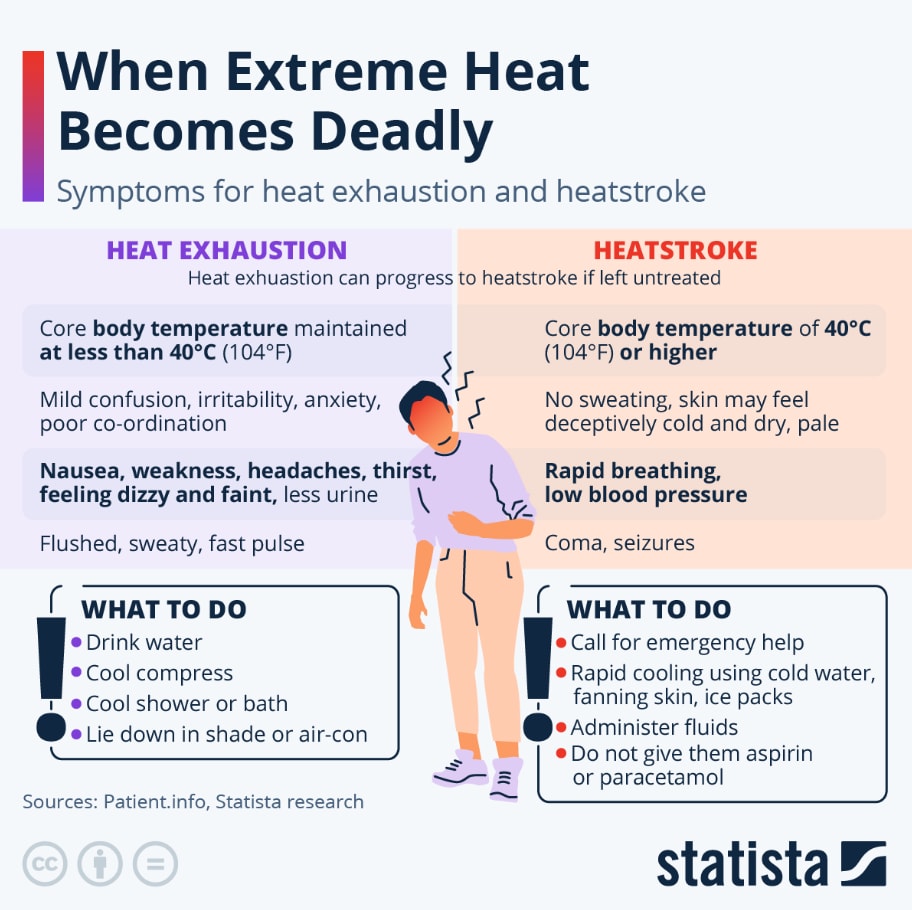
Heat stress affects multiple organ systems simultaneously, with the cardiovascular system bearing much of the burden. When environmental temperatures exceed the body's capacity to dissipate heat through sweating and vasodilation, core body temperature rises, placing dangerous strain on the heart and other vital organs.
Cities are 'heat traps'
The so-called 'urban heat island' effect can mean that cities may be 10- 15°C hotter than their rural surroundings. This is because building materials such as asphalt, concrete and dark roofing surfaces absorb and retain solar energy more effectively than natural landscapes, and release heat back into the environment.
The geometry of our buildings adds to this effect. Tall buildings and narrow streets restrict airflow and trap heat on the ground.
The acceleration of global urbanisation makes tackling this issue even more urgent. More than half of the world's population currently lives in urban areas, with this proportion expected to reach 68% by 2050.
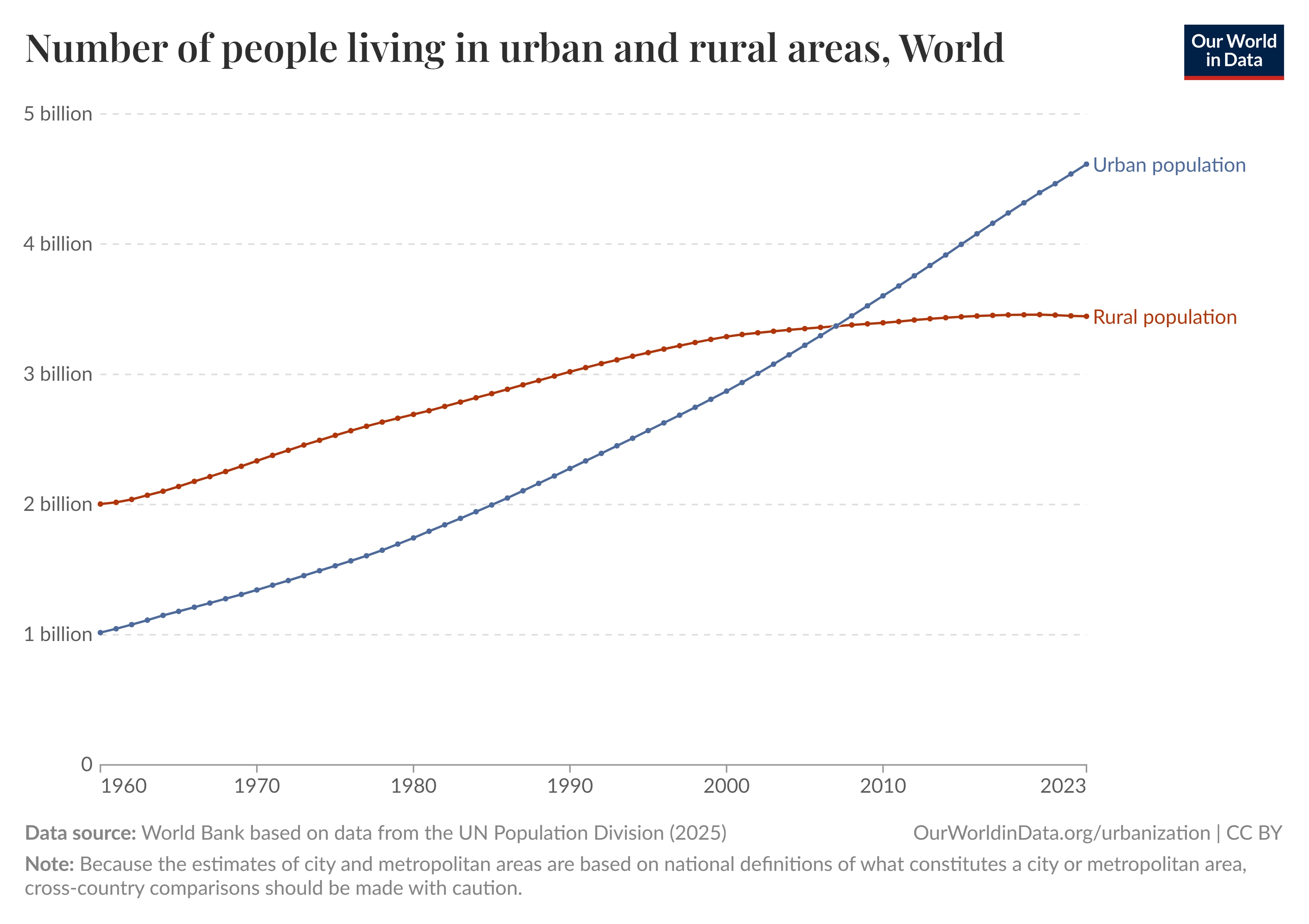
In 2015, 58% of people aged 60 and older resided in cities and that number has only risen. The combination of demographic ageing and urban heat intensification is creating vulnerable hotspots.
Heat exposure is rapidly becoming the costliest climate risk, projected to result in $2.4 trillion in annual productivity losses by 2035.
These impacts are often felt most keenly by low-income communities with limited green space, inadequate cooling systems or lack of income to power them and greater proximity to heat-generating sites of industry.
Adapting to a warming climate
Currently, 88% of weather-related disaster funding is spent on reactive post-event responses. The world must shift to proactive resilience investments if we are to make an impact on this issue.
What does that look like?
Nature-based solutions
Large green spaces such as parks and green corridors can potentially reduce temperatures by as much as 1.0 °C- 4.0 °C.
The most effective of all are botanical gardens and wetlands, which show the most efficient air cooling capacity, achieving approximate reductions of 5.0°C and 4.9°C respectively.
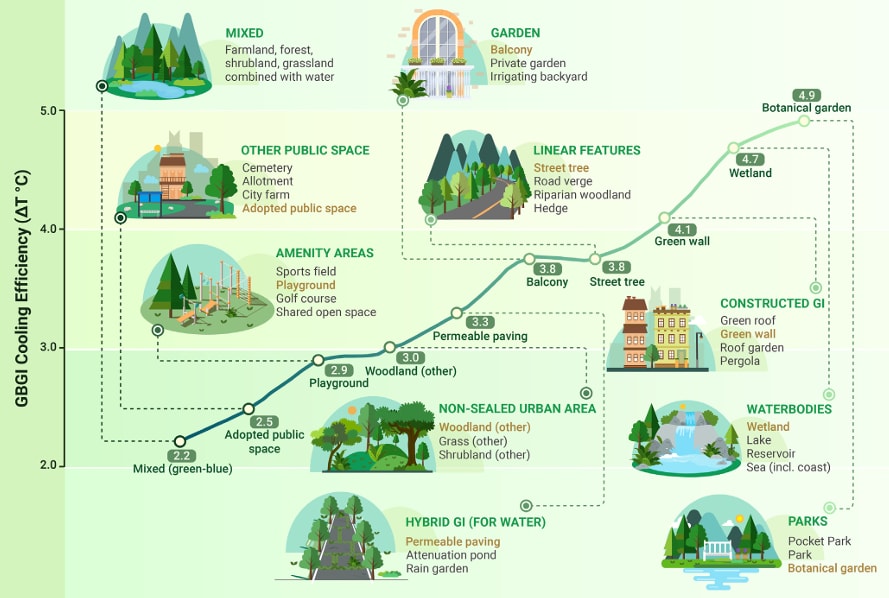
The Colombian city of Medellín shows how green corridors can create networks of cool air within a city. Study their success in the video below.
Early warning systems
"Today, one third of the world’s people, mainly in least developed countries and small island developing states, are still not covered by early warning systems", UN Secretary-General António Guterres announced on World Meteorological Day in 2022.
Early warning systems are critical for protecting vulnerable populations during heatwaves.
The World Economic Forum's Innovation and Adaptation in the Climate Crisis: Technology for the New Normal report highlights how developing technologies such as artificial intelligence, Internet of Things sensors and earth observation systems are transforming early warning capabilities.
Protecting workers
To adequately protect workers from dangerous levels of heat, a mix of immediate protective measures, medium-term technological solutions, and long-term infrastructure investments are necessary.
Greece and Spain have implemented longer breaks during heat hours for outdoor workers and mandated cooling facilities with cold water.
Innovations such as wearable tech that monitor for heat stress can help to notify workers when they are in danger. It is easy to make poor judgements about your safety when heat exhaustion begins to set in.
Longer-term infrastructure investments include urban greening as well as using solar-reflective building materials, which has seen success in Ahmedabad, India.
The tools for heat resilience exist. The challenge for the world now is how to scale these solutions at the speed necessary to match the rising frequency and intensity of heatwaves.
License and Republishing
World Economic Forum articles may be republished in accordance with the Creative Commons Attribution-NonCommercial-NoDerivatives 4.0 International Public License, and in accordance with our Terms of Use.
The views expressed in this article are those of the author alone and not the World Economic Forum.

Forum Stories newsletter
Bringing you weekly curated insights and analysis on the global issues that matter.
More on Climate Action and Waste Reduction See all

Laetitia Gardé and Marc Delobelle
February 26, 2026


