Why youth need to be drivers of policymaking for climate action
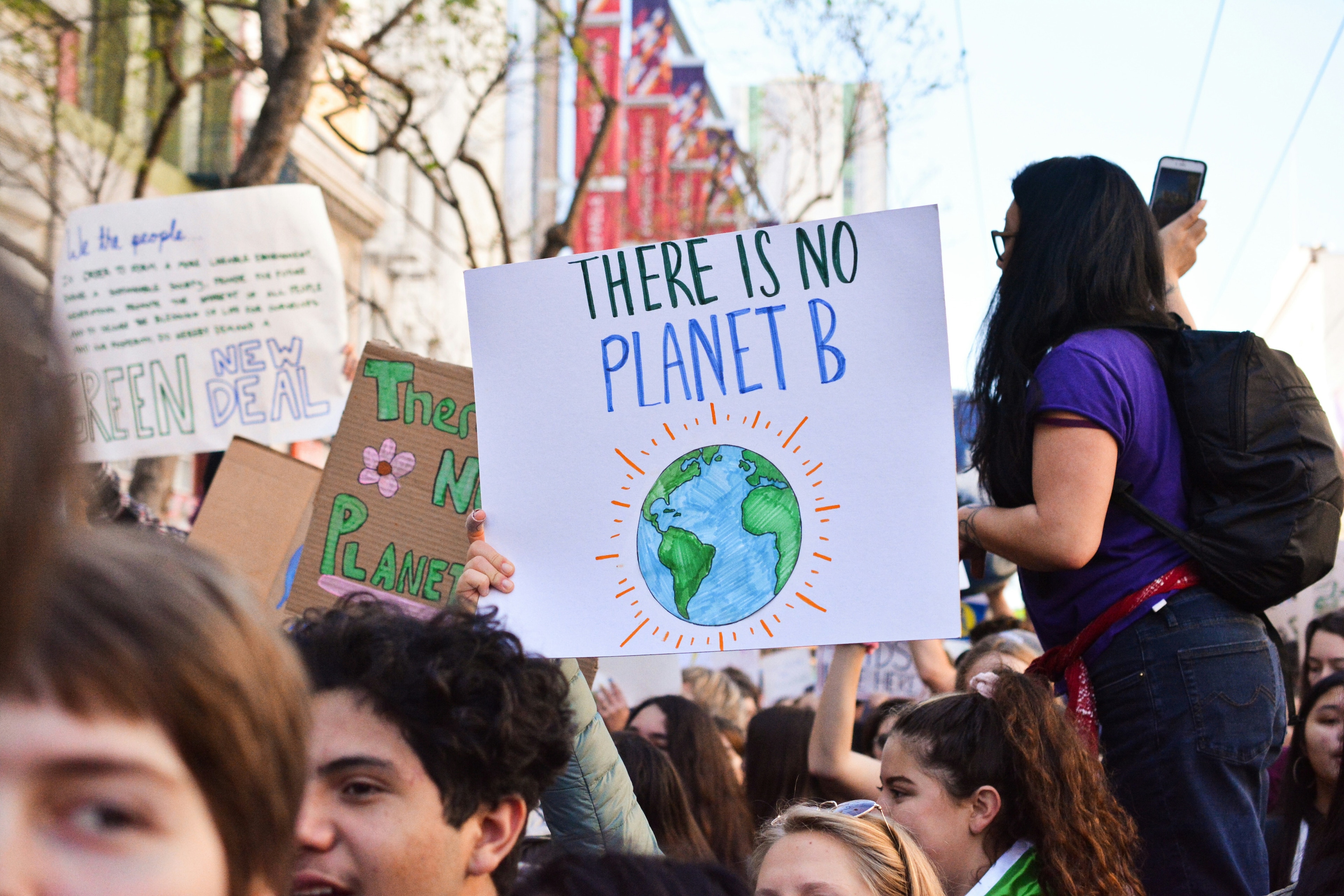
Youth protest against climate inaction, but do they have enough say in climate action? Image: Unsplash/Li-An Lim
- While young people are heavily involved in climate action campaigns, they are underrepresented in climate policymaking.
- The accelerating pace of climate change is narrowing the window for meaningful action and young people need to be involved in this now.
- As we look ahead to the next round of climate negotiations and national policy reforms, we must remove the barriers that prevent our youth from shaping the future they will inherit.
The climate crisis has inevitably taken centre stage in global policymaking conversations, yet young people are significantly underrepresented in these talks.
Just as the call for a more sustainable world demands more gender equality (for multiple reasons), youth are arguably at an equally, if not greater, risk from the threats of climate change. They need to steer policymaking for climate action too.
Despite a 1.8 billion-strong youth population being the most impacted by long-term climate decisions, young people remain largely excluded from the policymaking processes that will define their future. This must change.
Increasing risks and eroding trust
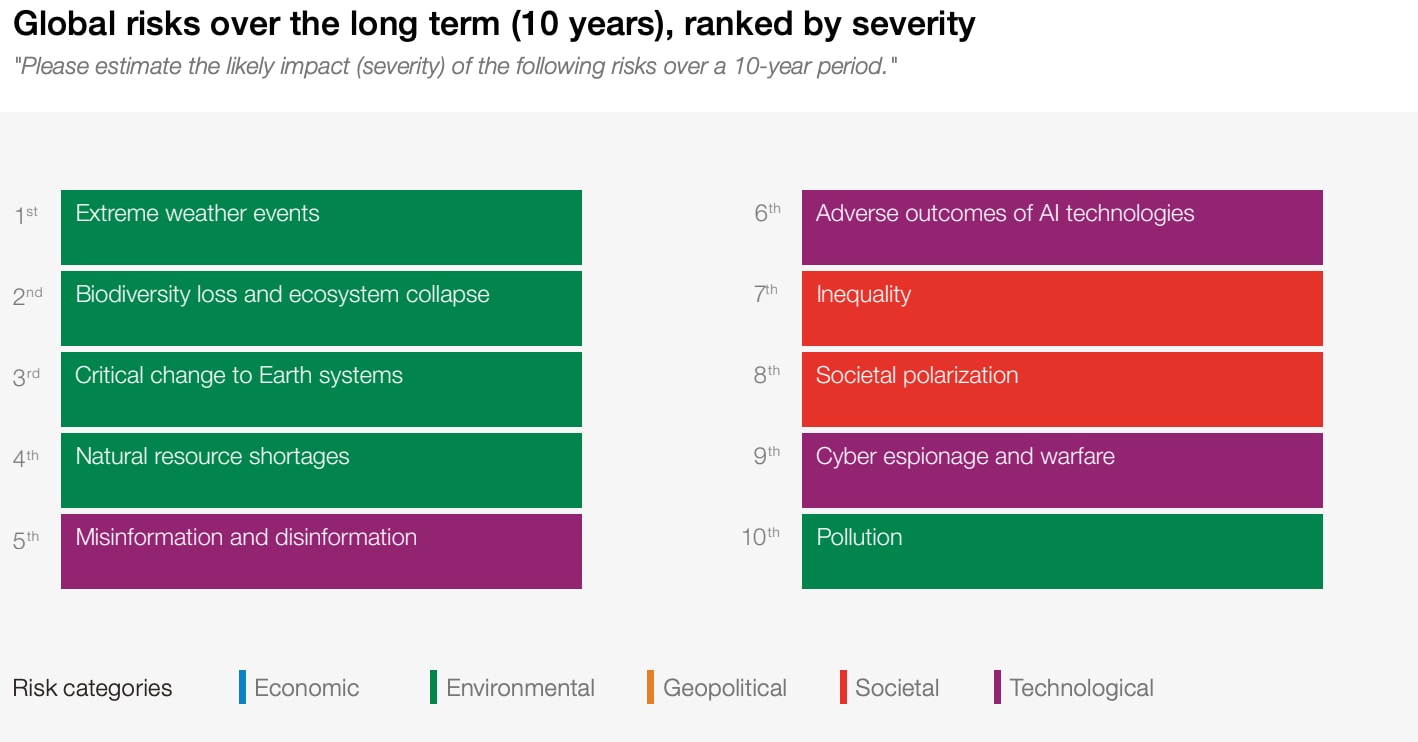
The urgent need for greater youth inclusion in climate policymaking is underscored by the accelerating pace of climate change and the narrowing window for meaningful action. The World Economic Forum Global Risks Report 2025 ranked extreme weather events resulting from climate change as one of the biggest global risks in the ten-year outlook, and it was ranked highest in terms of severity. At the same time, trust in institutions is eroding, particularly among younger generations who feel sidelined from decisions that shape their lives.
This is not just a matter of representation — it is a matter of justice, effectiveness and innovation.
Intergenerational justice and long-term thinking
Climate policymaking is inherently intergenerational. The emissions generated since the Industrial Revolution impact the world today. The emissions we release today, the infrastructure we build and the ecosystems we protect or destroy will have consequences that stretch far beyond the current political cycle. Yet, only 2.8% of parliamentarians globally are under the age of 30 and the average age of a parliamentarian is 51.
This imbalance creates a democratic deficit. Young people, who will live longest with the consequences of today’s decisions, must have a say in shaping them. Their inclusion is not just fair, it is essential for embedding long-term thinking into climate governance, which young people can facilitate since climate policymaking impacts their future more than anyone else’s. It is a hallmark case of intergenerational justice and the wheels need to be set in motion now.
Ownership, relevance and implementation
Policies are only as effective as their implementation. When young people are involved in designing climate solutions, they are more likely to feel a sense of ownership and responsibility. This enhances the likelihood of successful adoption and long-term impact.
Moreover, youth bring a nuanced understanding of the challenges their generation faces, from eco-anxiety to climate-induced displacement. Given that the youth of today will face the brunt of climate challenges tomorrow, their lived experiences can help shape policies that are more responsive, inclusive and grounded.
As an alumni of the Global Shapers Community of young thinkers, I am proud to say that in 2023-24, 101 projects by the community reduced emissions, conserved nature and biodiversity or promoted sustainability. In addition, 57 projects strengthened democracy, improved civic engagement or mobilized people to vote locally, which is a strong indicator of how youth involvement in climate action can shape policymaking.
Innovation, technology and passion
Young people are not just future leaders; they are also today's innovators. They are at the forefront of adopting and shaping emerging technologies, from AI to blockchain, and are uniquely positioned to leverage these tools for climate action.
In fact, the workforce will become more connected and tech savvy as more and more youth joins its ranks. Their familiarity with digital tools, combined with a deep sense of urgency and moral clarity, enables them to reimagine climate solutions in ways older generations may not.
Young people bring a sense of youthful passion and energy that can help create policies that expedite climate action, while older generations may not be as invested in climate action. With this youthful exuberance coupled with a better understanding of emerging technology for sustainable development, climate action can be amplified by the involvement of youth in policymaking. At COP26, youthful energy was seen through activism and solution generation.
Initiatives like FridaysForFuture, The Ocean Cleanup and Mock COP show how youth-led movements can shift global narratives, influence policy and drive systemic change. These are not isolated efforts; they are part of a broader ecosystem of youth leadership that is slowly reshaping the climate agenda.
From tokenism to transformation
Despite their contributions, youth participation in policymaking, however, is often limited to symbolic gestures – a seat at the table without a voice or a voice without power. To move from tokenism to transformation, we must institutionalize youth engagement in climate governance.
This means:
• Embedding youth quotas in climate advisory bodies and delegations.
• Funding youth-led initiatives and research.
• Creating mentorship pipelines between senior policymakers and young leaders.
• Reforming education systems to equip youth with the skills to lead in a climate-constrained world
The climate crisis is a leadership crisis. Leadership must reflect the diversity, creativity and urgency of those most affected. Young people are not waiting for permission to lead – they are already doing so. What they need is recognition, resources and real power.
As we look ahead to the next round of climate negotiations and national policy reforms, let us not ask whether youth should be involved. Let us ask how we can remove the barriers that prevent them from shaping the future they will inherit. Climate justice is intergenerational justice. The time to act is now.
Don't miss any update on this topic
Create a free account and access your personalized content collection with our latest publications and analyses.
License and Republishing
World Economic Forum articles may be republished in accordance with the Creative Commons Attribution-NonCommercial-NoDerivatives 4.0 International Public License, and in accordance with our Terms of Use.
The views expressed in this article are those of the author alone and not the World Economic Forum.
Stay up to date:
Youth Perspectives
Related topics:


Forum Stories newsletter
Bringing you weekly curated insights and analysis on the global issues that matter.
More on YouthSee all

Zane Čulkstēna
February 16, 2026


