Why we need to make cultural integration a pillar of the longevity economy
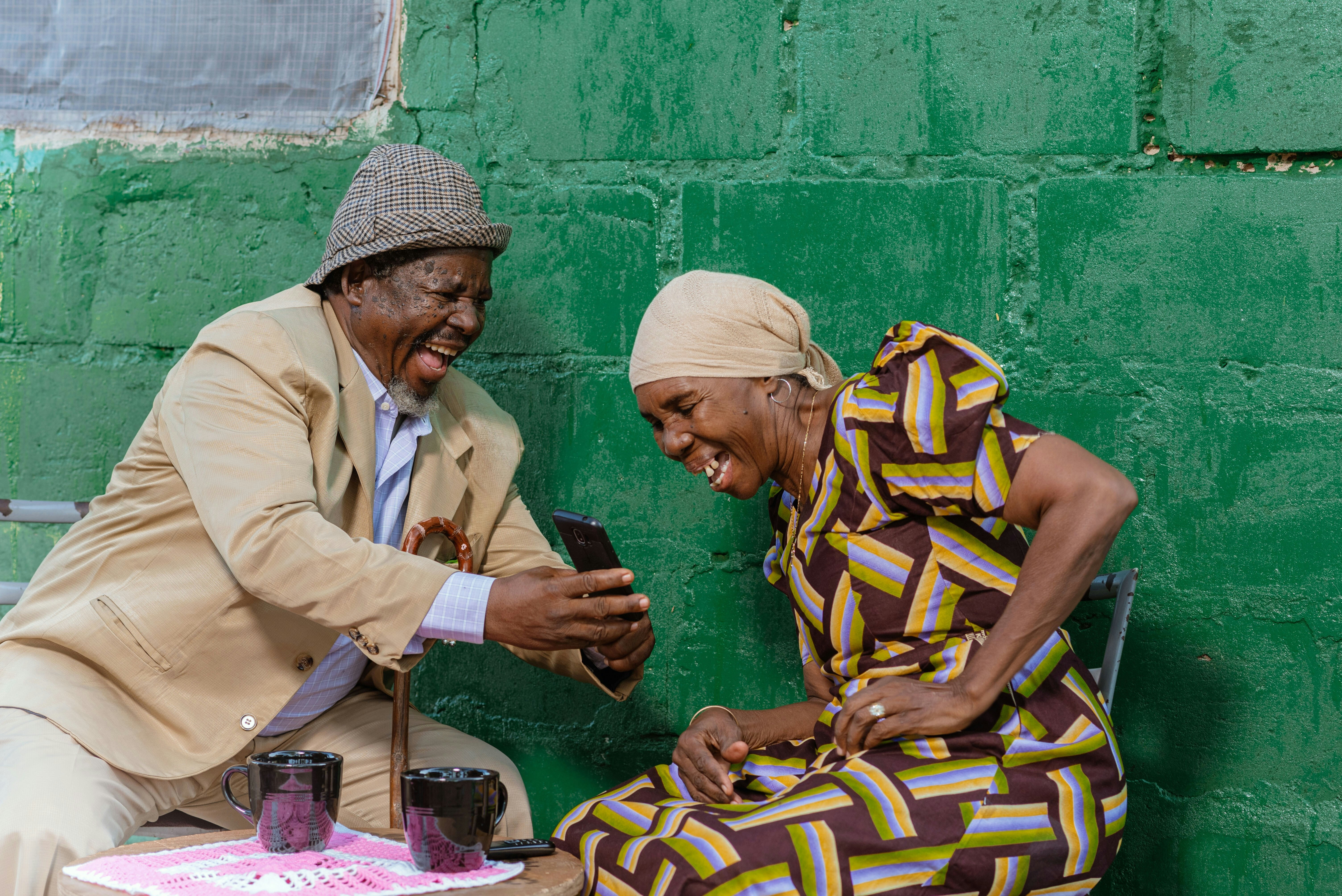
We need to take culture into account when planning for healthy longevity. Image: Ali Mkumbwa/Unsplash
- An often overlooked factor in healthy ageing is the link between economic security and health outcomes.
- In low-resource and high-income countries, healthcare systems relying on out-of-pocket payments or fragmented insurance leave individuals vulnerable.
- Protecting informal caregivers, expanding inclusive pension schemes and investing in local models are essential for creating ecosystems capable of delivering dignity in later life.
As populations age and life expectancy rises — projected to reach 77.2 years by 2050 with one in six over 65 — health systems face mounting pressure on resources, care delivery and financing. This demographic shift unfolds across diverse cultural contexts, each with distinct expectations for ageing and intergenerational roles.
A critical, yet often overlooked, factor in healthy ageing is the link between economic security and health outcomes. In low-resource and high-income countries, healthcare systems relying on out-of-pocket payments or fragmented insurance leave individuals vulnerable when savings are insufficient. Without protections, older adults may delay care, suffer from chronic conditions or lose autonomy. Building resilient longevity systems requires integrating health and economic protections and ensuring that insecurity does not lead to poor outcomes or diminished dignity. Financial preparedness is as vital as access
Yet, sustainability in healthcare is not only financial, it is also cultural. Systems reflecting local values and norms are more likely to be trusted and sustained. Conversely, models ignoring cultural practices often face inefficiency or resistance. Replacing communal elder care traditions, for example, with institutional models can disrupt family networks, increase dependency on formal systems and raise costs. Culture shapes whether longevity strategies are embraced or rejected.
Cultural alignment is crucial in the Global South, where underdeveloped formal systems and the erosion of traditional models – due to modernization, migration and urbanization – lead to fragmented care and rising inequality. Recognizing and integrating traditional knowledge into policy and financing can enable more resilient, locally rooted and cost-effective ageing models.
Culture as a structuring force in later life
Successful ageing requires more than financial sustainability. It must also support emotional well-being, social inclusion and a sense of purpose. Systems that strengthen intergenerational bonds and social connections tend to build greater trust and deliver better outcomes, while those that ignore cultural expectations risk weakening policy and cohesion.
Across regions, ageing is shaped by distinct cultural logic. Western models emphasize autonomy, innovation and financial self-reliance, while African traditions centre on collective responsibility and social resilience. Concepts like Ubuntu — 'I am because we are' — frame ageing as moral presence, where care includes support, guidance and storytelling. These frameworks shape how ageing is experienced and understood.
Bridging formal systems and local realities
As countries respond to rising life expectancy, many have turned to formal retirement and elder care systems modelled on Western institutional frameworks. While these efforts aim to enhance financial security and access to care, they often fall short when applied in contexts where informal labour dominates and family or community-based support remains central.
While Nigeria has one of the largest populations in Africa, life expectancy remains among the lowest globally, underscoring the need for resilience models that combine economic security with cultural practices. Pension reforms introduced in the early 2000s sought to institutionalize elder support, yet limited coverage, delays and incompatibility with informal economies revealed the limits of external systems. Nigeria’s family-owned enterprises act as safety nets, with studies like this one from Aba showing resilience, innovation and succession preserve wealth and responsibility
These limitations point to the need for a more holistic and context-sensitive approach. One that recognizes and incorporates the strengths of existing social systems. In Zimbabwe, for example, community-led dialogues used to address HIV stigma show how culturally embedded practices can facilitate behaviour change, strengthen trust and translate external knowledge into locally meaningful action. Such initiatives demonstrate that systems rooted in collective responsibility and coherence are more likely to be accepted and sustained.
This principle holds true in the realm of ageing. Across many African societies, indigenous welfare systems, grounded in traditions of kinship, shared caregiving and reverence for elders, continue to serve as informal safety nets. These systems recognize older adults as recipients of care and as active contributors: mentors, mediators and custodians of knowledge. They support emotional, social and material needs. When ageing policies fail to acknowledge these cultural dimensions, they risk undermining social cohesion and missing opportunities for more integrated, human-centred approaches.
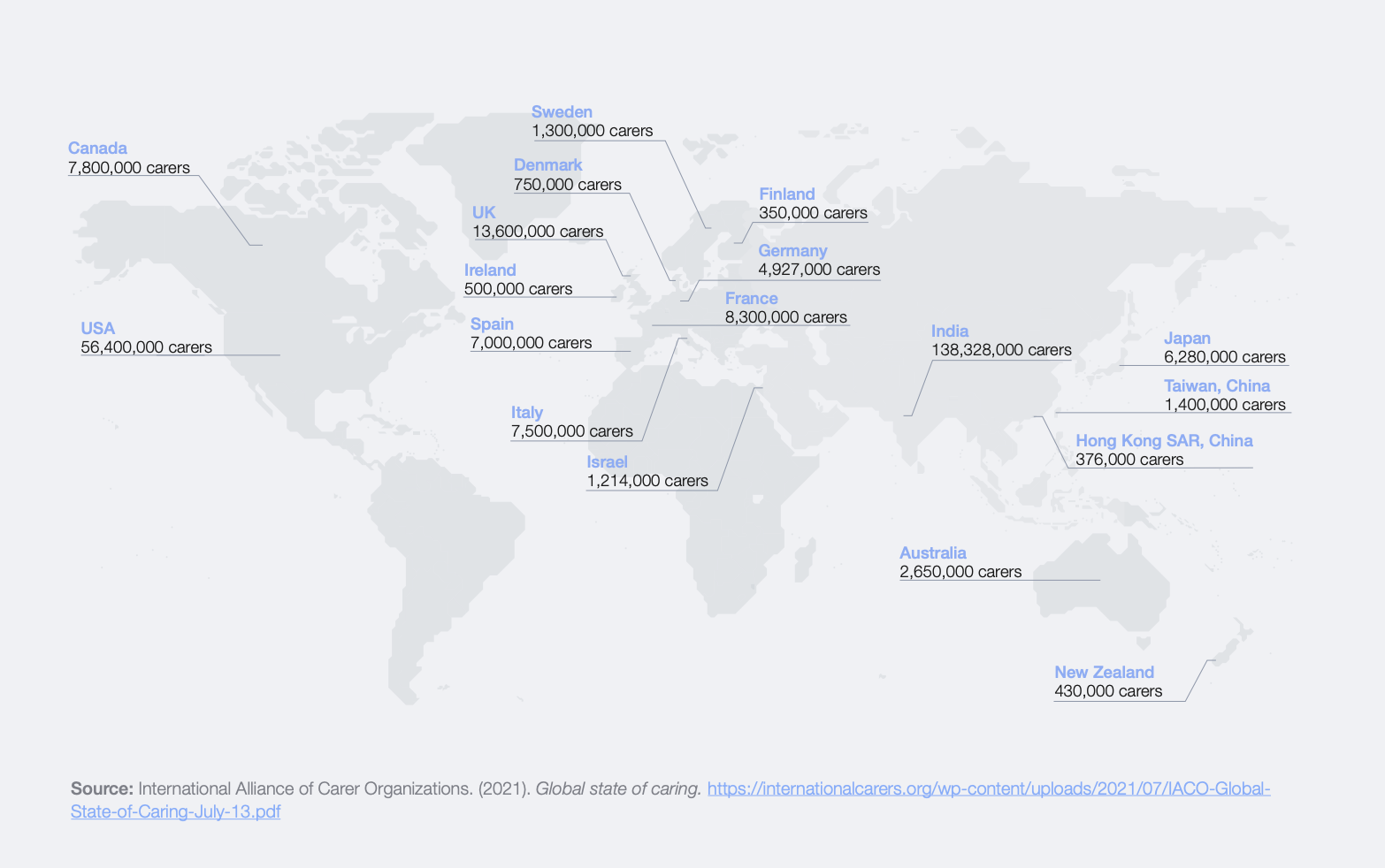
Formalizing informal systems
These traditional models are increasingly under strain. Urbanization, economic transition and generational shifts are weakening extended family networks, while formal systems remain under-resourced. The result is a growing gap in elder care that institutional reforms alone cannot close.
What is needed is not the replacement of informal systems, but their recognition, support and thoughtful integration into broader strategies. A culturally adapted approach would formalize the protective elements of indigenous systems, while enhancing them with institutional safeguards. This could mean expanding pensions for non-salaried workers, supporting caregivers, investing in locally-aligned care models and recognizing family businesses as cultural institutions and survival strategies where resilience is embedded in ownership and succession.
This view is reinforced by growing evidence that life-course approaches, which integrate education, health and social protection across the lifespan, are most effective when they reflect the cultural logics of the societies in which they operate. Embedding local values into ageing strategies enhances their legitimacy, improves uptake and fosters solidarity. Countries that align their systems with culturally resonant models are more likely to maintain productivity among older populations, reduce preventable illness and strengthen societal cohesion. Culturally grounded ageing strategies extend life and enhance its quality.
Towards culturally grounded ageing systems
As societies confront the demographic and economic challenges of ageing, it is increasingly clear that sustainable responses must go beyond institutional reform and financial engineering. Strategies for healthy longevity will only succeed if grounded in the cultural realities of the communities they serve.
In many regions, especially where multigenerational households and informal caregiving are prevalent, existing social systems provide care and continuity, meaning and trust. Recognizing and reinforcing these systems is not a nostalgic gesture; it is a pragmatic imperative.
Protecting informal caregivers, expanding inclusive pension schemes and investing in locally-aligned models are essential to creating ecosystems that are viable, accepted and capable of delivering dignity in later life. Ageing is not just a clinical or economic phenomenon; it is a cultural experience. Any strategy that fails to reflect this will remain incomplete.
Don't miss any update on this topic
Create a free account and access your personalized content collection with our latest publications and analyses.
License and Republishing
World Economic Forum articles may be republished in accordance with the Creative Commons Attribution-NonCommercial-NoDerivatives 4.0 International Public License, and in accordance with our Terms of Use.
The views expressed in this article are those of the author alone and not the World Economic Forum.
Stay up to date:
Longevity Economy


Forum Stories newsletter
Bringing you weekly curated insights and analysis on the global issues that matter.


