UK to ban ransom payments to cyber criminals, and other cybersecurity news
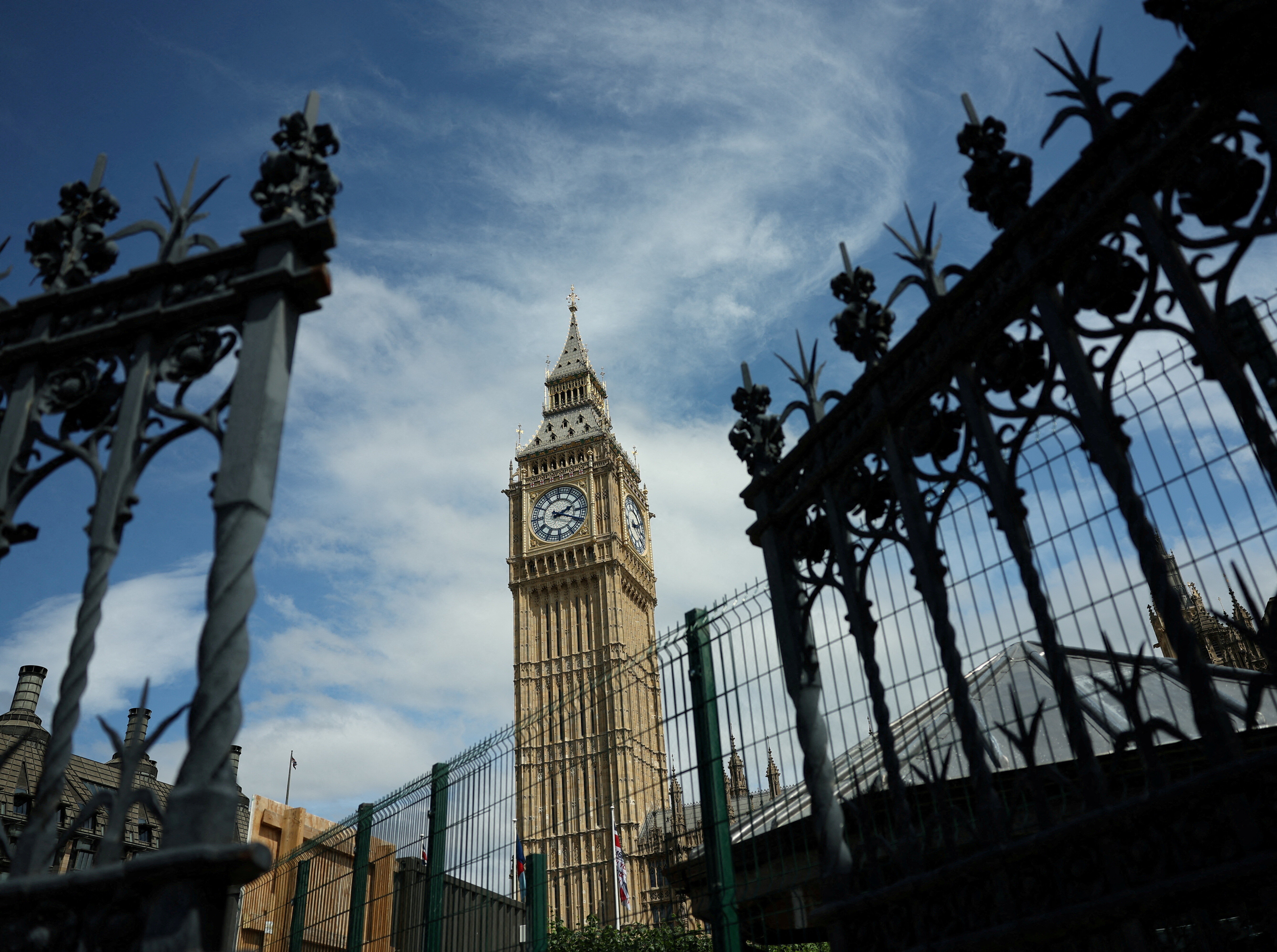
The UK government is set to ban public sector organizations from paying ransoms to cyber criminals. Image: REUTERS/Isabel Infantes
Akshay Joshi
Head of the Centre for Cybersecurity, Member of the Executive Committee, World Economic Forum- This regular round-up brings you key cybersecurity stories from the past month.
- Top cybersecurity news: UK government plans to ban ransomware payments to deter criminals; US city declares state of emergency over cyber attack; pro-Ukrainian hackers claim responsibility for attack on Russian airline.
- The World Economic Forum’s Centre for Cybersecurity provides an independent and impartial platform to reinforce the importance of cybersecurity as a strategic imperative and drive global public-private action to address systemic cybersecurity challenges.
1. UK to ban public sector paying ransoms to cyber criminals
The UK government plans to ban public sector organizations from paying ransoms to cyber criminals following ransomware attacks.
The move aims to reduce incentives for hackers and protect critical public services from disruption, Reuters reports.
Under the planned rules, public bodies would be prohibited from making ransom payments, and compliance would be enforced through audits and penalties. Private firms would need to inform the authorities if they planned to pay ransoms.
This initiative reflects growing global efforts to combat ransomware, which has increasingly targeted essential infrastructure and government institutions.
The UK government intends to provide guidance and support to help organizations strengthen cybersecurity defenses and respond effectively without submitting to criminals’ demands.
Ransomware attacks topped the list of organizational cyber risks businesses were most concerned about in the Forum's Global Cybersecurity Outlook in January.
2. US city declares state of emergency after cyber attack
A major cyberattack struck the US city of Saint Paul on 25 July, crippling city IT systems and disrupting online services and internal networks.
In response, the governor declared a state of emergency on 29 July and deployed the Minnesota National Guard to assist with cybersecurity and restoration efforts.
“We are committed to working alongside the City of St Paul to restore cybersecurity as quickly as possible,” said Governor Tim Walz. “The Minnesota National Guard’s cyber forces will collaborate with city, state, and federal officials to resolve the situation and mitigate lasting impacts. Above all, we are committed to protecting the safety and security of the people of St Paul.”
Emergency services remained operational, but many city functions reverted to manual processes while systems are repaired. The attack, described as "deliberate and coordinated", likely involved ransomware.
Officials are urging vigilance about potential fraud targeting residents during the incident. Investigations and recovery efforts were ongoing as the city works to restore full operations.
3. News in brief: Top cybersecurity stories this month
US companies are spending record amounts on executive protection due to rising threats and recent high-profile killings of corporate leaders. Security expenses now include surveillance, personal guards and cybersecurity, with about one-third of top executives receiving these protections.
Pro-Ukrainian hacker groups Silent Crow and Cyberpartisans claimed responsibility for a massive cyberattack on Russia’s national airline Aeroflot, causing the cancellation of over 40 flights. Russian authorities confirmed the attack and launched a criminal investigation.
It comes as the UK said there was 'no evidence' of a cyber attack involved in an outage in the country's air traffic control system which grounded 150 flights. It was instead caused by a 'radar-related issue', the BBC reports.
Hackers known as Storm-2603 have escalated attacks on Microsoft’s on-premises SharePoint servers by deploying Warlock ransomware. Microsoft recommends that customers use supported versions of on-premises SharePoint servers with the latest security updates.
Germany and Spain issued seven arrest warrants against suspected members of the pro-Russian hacking group NoName057(16), accused of cyberattacks on critical infrastructure, defence firms and public authorities across Europe. A coordinated global operation involved 19 countries and resulted in disruptions of the group's servers and investigations across multiple locations.
United Natural Foods, distributor for Amazon’s Whole Foods, projects a $350-$400 million net sales loss for 2025 due to a cyberattack that disrupted operations in June. The company expects significant insurance reimbursements and aims to restore normal operations by the end of the year.
How the Forum helps leaders understand cyber risk and strengthen digital resilience
4. More about cybersecurity on Forum Stories
Leading manufacturers treat cybersecurity as an essential part of their business culture, not just an IT concern. Proactively designing cybersecurity into every layer of their operations from the outset is a key objective in mitigating cyberattacks, write two Forum cyber resilience experts. The Centre for Cybersecurity partnered with the Global Lighthouse Network to create awareness around cybersecurity and understand their security measures.
Cross-border data regulations have elevated data privacy to a boardroom-level and cross-organizational issue. Companies must have visibility into all data issues, be privacy-by-design and be flexible enough to adapt to evolving regulations, writes Alex Spokoiny, Chief Information Officer, Check Point Software Technologies. Clear roles, internal education and shared accountability foster a proactive, trust-centred approach to data protection.
The biggest cyber risk to the global economy is attacks on the often-overlooked and more vulnerable small and medium-sized enterprises (SMEs), writes Ricardo Villadiego, Founder and Chief Executive Officer, Lumu Technologies. SMEs form supply chains, power economies and provide employment, but have smaller budgets and fewer resources to handle cybersecurity. Smaller businesses can follow three pathways to stronger cyber resilience, collectively, and by doing so, also strengthen the global economy.
License and Republishing
World Economic Forum articles may be republished in accordance with the Creative Commons Attribution-NonCommercial-NoDerivatives 4.0 International Public License, and in accordance with our Terms of Use.
The views expressed in this article are those of the author alone and not the World Economic Forum.

Forum Stories newsletter
Bringing you weekly curated insights and analysis on the global issues that matter.
More on CybersecuritySee all

Tal Goldstein and Giulia Moschetta
March 31, 2026