Where the world nuclear revival is happening
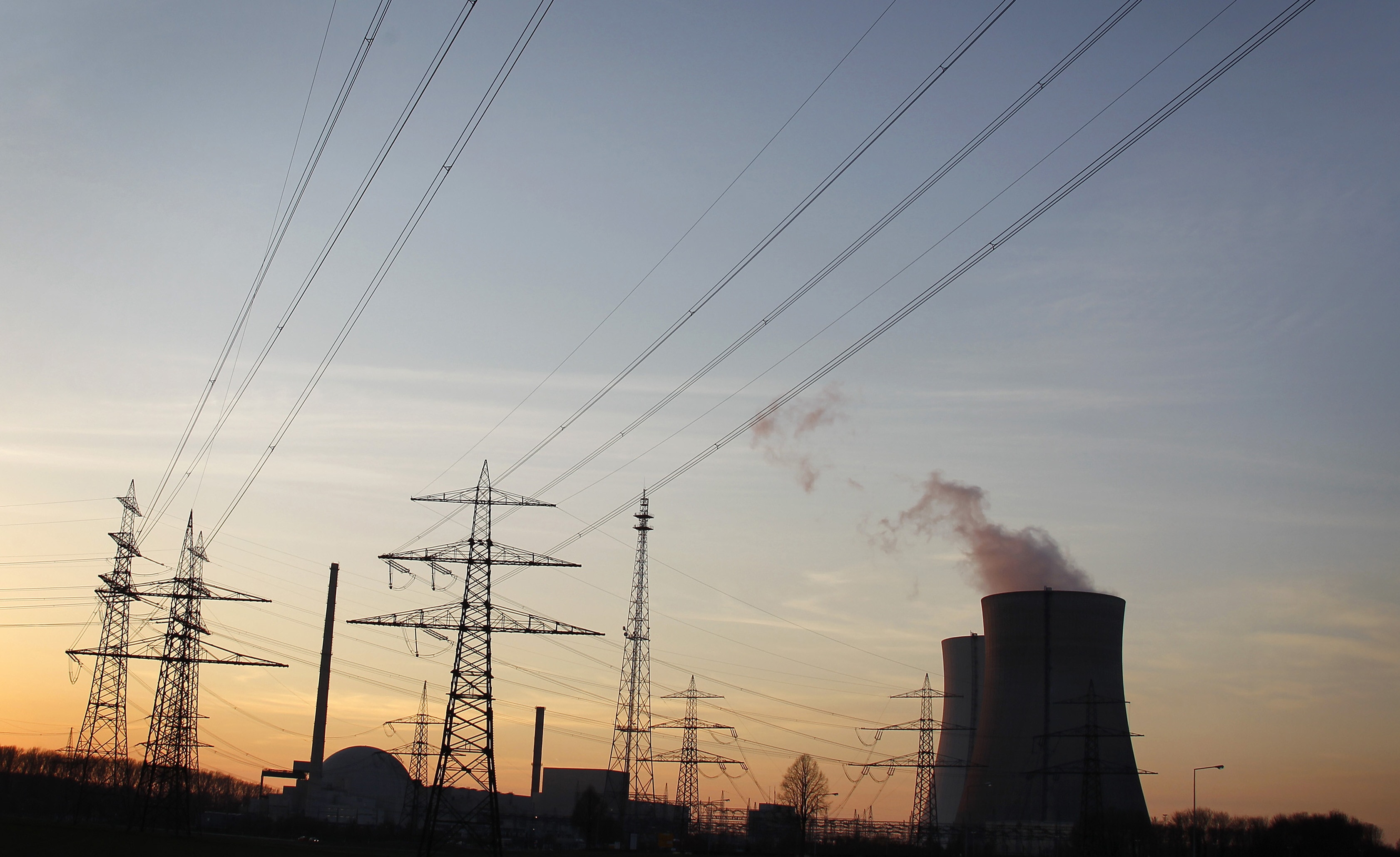
There are around 70 nuclear power reactors being constructed in 15 countries. Image: REUTERS/Kai Pfaffenbach
- As countries look at creating reliable supplies of secure, affordable and sustainable energy, nuclear power is in the spotlight.
- This chart shows where nuclear reactors are operable, under construction, planned and proposed.
- The low-emissions power source is experiencing a "steady comeback", according to the World Economic Forum report, Fostering Effective Energy Transition 2025.
As the world grapples with rising energy demand, the climate crisis and geopolitical uncertainty, nuclear power is having a moment.
There are about 440 nuclear reactors across 31 countries and in 2023, these reactors generated about 9% of the world’s electricity.
Yet this source of reliable, low-emissions power fell out of favour in many countries following high-profile disasters, including meltdowns at Chernobyl in 1986 and Fukushima in 2011. Today, however, it seems barely a week goes by without countries or companies – big tech especially – announcing renewed interest in nuclear.
How the Forum helps leaders navigate the transition of energy and materials systems
This includes plans by the US to ‘reinvigorate’ its nuclear sector, countries including Germany and Japan reversing plans to phase out the technology, and tech firms signing nuclear power purchase agreements and investing in nuclear start-ups.
But exactly how widespread is this ‘nuclear revival’?
The chart below shows which countries are currently operating nuclear reactors and building new ones. It also shows where reactors are planned – meaning approvals, funding or a commitment is in place and the plant is expected to be in operation within the next 15 years – and proposed, where there are specific programme or site proposals, but timing is uncertain.
Where are the world’s nuclear power plants?
Several countries rely significantly on nuclear energy.
France leads in terms of the percentage of its electricity generated from nuclear power, at almost 70%. Ukraine, Slovakia and Hungary all generate about half of their total electricity from this source.
Other countries with substantial nuclear energy production include the US, China, Russia, South Korea and Canada.
Where are new nuclear power plants being planned and built?
Many countries with existing nuclear power programmes either have plans to, or are building, new power reactors. In total, about 70 power reactors are being constructed in 15 countries.
Advanced economies are currently home to more than 70% of operable reactors, but emerging economies are increasingly investing in nuclear power.
Three-quarters of the reactors under construction were in emerging economies as of the end of 2024 – and half in China alone.
Alongside, about 30 countries are considering, planning or starting nuclear power programmes.
Why is nuclear power important?
At COP28 in 2023, more than 20 countries committed to at least triple global nuclear power capacity by 2050. The goal is supported by hundreds of companies, major banks and financial institutions, and tech companies including Google, Amazon and Meta.
The World Economic Forum’s Fostering Effective Energy Transition 2025 highlights converging priorities: the impacts of the climate crisis; rising energy demand driven by increased electrification, soaring use of air conditioning and the rapid expansion of artificial intelligence; and global uncertainty and related supply chain pressures.
Against this backdrop, the report says, nuclear power is experiencing a “steady comeback”, led by traditional reactor designs and interest in small modular reactors, which offer safer, scalable and low-carbon baseload power.
Don't miss any update on this topic
Create a free account and access your personalized content collection with our latest publications and analyses.
License and Republishing
World Economic Forum articles may be republished in accordance with the Creative Commons Attribution-NonCommercial-NoDerivatives 4.0 International Public License, and in accordance with our Terms of Use.
The views expressed in this article are those of the author alone and not the World Economic Forum.
Stay up to date:
Nuclear Insecurity


Forum Stories newsletter
Bringing you weekly curated insights and analysis on the global issues that matter.
More on Energy TransitionSee all

Renée van Heusden
April 6, 2026


