Nature’s value: 3 ways land custodians can factor nature into their balance sheets
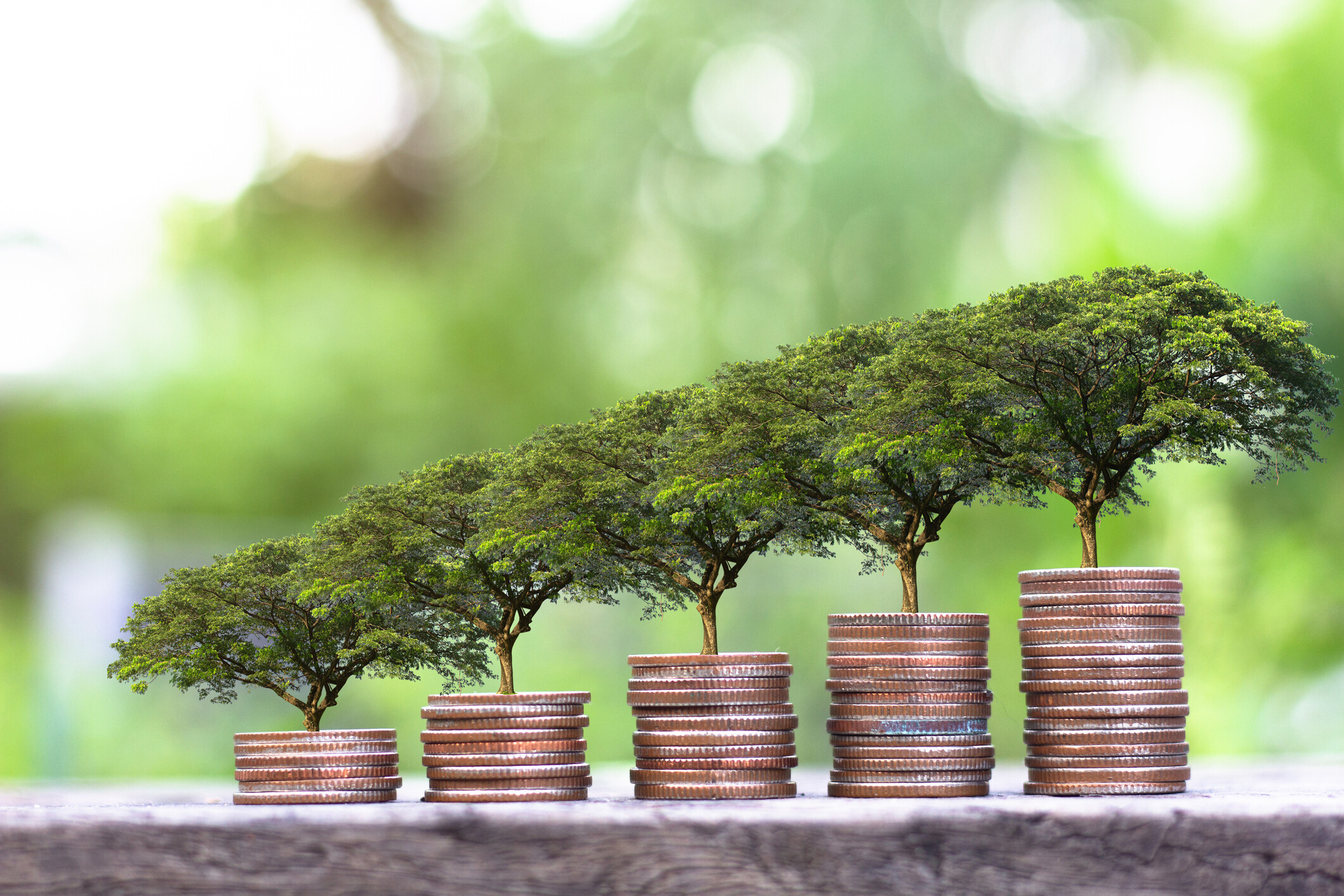
Investing in nature and its returns already has proof of concept Image: Getty Images/iStockphoto
- Nature is the foundational asset for future growth, but current systems fail to reflect its value.
- Integrating nature into financial decision-making requires robust market infrastructure.
- 'Discover, quantify and recognize' is a clear three-point pathway for placing nature on the balance sheet.
In all its intricate complexity, nature is emerging as the ultimate asset underpinning future growth. Imagine an investment that generates significant financial returns while providing clean air and water, stabilizing the climate, enhancing biodiversity and laying the foundations for a thriving economy.
This isn’t a distant dream; it’s the tangible reality of a healthy planet and the growing understanding is that investing in nature is a winning strategy for unlocking resilient, sustainable growth and ensuring long-term prosperity.
The current economic paradigm often treats nature as an externality – an infinite resource to be exploited rather than a finite asset to be managed and protected.
This approach is no longer sustainable because the loss of natural capital not only impacts ecosystems, but also poses significant financial risks by exacerbating climate change and directly threatening economic stability.
This is becoming particularly evident in primary sectors, such as agriculture. For instance, approximately 85% of global arable land is threatened by erosion, salinization, soil compaction, or pollution, resulting in estimated economic costs of up to $10.6 trillion per annum. Similarly, the decline of wild pollinators results in a potential annual net loss of economic welfare.
According to a 2016 assessment report by the Intergovernmental Science-Policy Platform on Biodiversity and Ecosystem Services, the loss is up to $191 billion globally to crop consumers and producers and up to $497 billion to producers and consumers in other, non-crop markets (e.g. non-crop agriculture, forestry and food processing).
How the Forum helps leaders align climate action with nature-positive growth
From theory to value
The world has made significant advances in valuing nature in theoretical terms. Costanza et al, in a 1997 article for Nature, estimated the valuation of global ecosystem services initially as $33 trillion per year, later updated to $125 trillion per year.
Initiatives such as The Economics of Ecosystem and Biodiversity set out the science showing the immense benefits of building biodiversity into decision-making. In more recent years, the Dasgupta Review argued that investing in nature yields high returns and that a nature-positive transition requires redirecting global financial flows.
However, translating this intrinsic worth into tangible financial decisions has remained a complex challenge. Current efforts to embed nature into business and governmental decisions are happening, but often only voluntarily and lacking direct financial recognition.
This would truly elevate nature’s place in valuation, particularly in the case of companies reporting under the Taskforce on Nature-funded Disclosures requirements or adopting science-based targets on nature.
The solution
The solution lies in building a robust market infrastructure that integrates natural capital accounting with traditional financial accounting. Essentially, placing nature on the balance sheet, as the new initiative Nature on the Balance Sheet, led by Capitals Coalition with the Landbanking Group, Centre for Global Commons and Systemiq, is addressing.
Putting nature on the balance sheet enables nature to be viewed as more than a mere compliance burden but as a genuine asset that generates value, carries risks and demands strategic management, just like financial metrics.
This transformative action extends beyond simply assigning a monetary value to nature. Land custodians – whether private corporations, Indigenous communities or national governments – could finally recognize nature’s value in concrete financial terms.
This shift fundamentally redefines the perception and management of nature, crucial for unlocking the vast potential of private finance and it promises accountability for any detrimental impact on the natural world.
3 actions for land custodians
To realize this transformative potential, land asset custodians can take three clear actions to integrate nature into their financial balance sheets:
1. Discover
The first action is a thorough assessment of natural capital guided by trusted frameworks.
This process entails identifying and understanding the specific ecosystem services of a landholding, such as a forest’s carbon sequestration capacity, a wetland’s role in water purification, agricultural pollination, or regional biodiversity support.
Scientific rigour and established methodologies are crucial to establishing a credible baseline for existing natural assets.
2. Quantify
Once identified, ecosystem services can be assigned economic value. This is where natural capital accounting becomes indispensable, providing the methodologies and tools to translate ecological processes into quantifiable financial metrics.
This approach shifts the conversation from abstract ecological concepts to tangible financial insights that resonate with investors and policymakers.
The real-world journey of Forico, a forestry company in Tasmania, powerfully illustrates this transformative potential.
By assigning monetary values to natural capital metrics and presenting them in a Natural Capital Balance Sheet format, the true and substantial value of these assets became clear to the Board and stakeholders – revealing approximately four times more value than on a traditional balance sheet.
3. Recognize
The last but crucial action is the formal recognition of these natural assets within financial balance sheets.
This involves developing innovative nature-based transactions or contracts that align with established international financial accounting standards, such as the International Financial Reporting Standards IAS 38, which outlines the measurement of intangible assets.
This could manifest in various forms, from the securitization of high-quality carbon credits and verified biodiversity offsets to the creation of novel financial instruments designed to value and trade in ecosystem services.
The objective is to move beyond mere reporting to fundamental changes in how these assets are recorded, valued and managed in core financial accounts. Again, Forico's Natural Capital reports demonstrate that value recognition alongside financial accounts can lead to a reframing of strategic discussions at the executive and board levels.
Proof of concept
Looking ahead, the 2025 United Nations Climate Change Conference (COP30) presents a catalytic opportunity to accelerate this vital transition.
By building momentum and showcasing the groundbreaking work of diverse pilot projects – from regenerative agriculture and sustainable forestry to responsible mining practices – these companies’ experience can show how to realize nature-based value in today’s economy, providing strong proof of concept.
As seen with Forico, assigning monetary values to natural capital metrics and presenting them in a dedicated balance sheet format can reveal significantly more value than a traditional balance sheet.
This critical international moment in November at COP30 can serve as a trigger, driving a systemic shift across accounting practices, assurance standards, regulatory frameworks, pricing mechanisms and public policy.
It’s a powerful call to action for auditors, standard-setters and regulators to collaborate and build the robust market infrastructure necessary for nature to finally take its rightful place on the balance sheet. The roadmap created by the NBS Initiative outlines specific actions, including the use of nature stress tests by central banks and adjustments to pricing models by insurers, banks and investors.
Ultimately, integrating nature’s value into financial accounts promises a future where nature-informed decision-making is the norm and the long-term health of our planet is intrinsically linked to sustained financial prosperity.
It fosters a new era of proactive stewardship and truly sustainable development, elevating nature from a silent contributor to a recognized, valued asset – a winning strategy for future growth.
Mark Gough and Naoko Ishii are Members of the World Economic Forum’s Global Future Council on Natural Capital, 2025-26. For more information, please visit the website or reach out to Council Manager Shivin Kohli.
Don't miss any update on this topic
Create a free account and access your personalized content collection with our latest publications and analyses.
License and Republishing
World Economic Forum articles may be republished in accordance with the Creative Commons Attribution-NonCommercial-NoDerivatives 4.0 International Public License, and in accordance with our Terms of Use.
The views expressed in this article are those of the author alone and not the World Economic Forum.
Stay up to date:
Nature and Biodiversity


Forum Stories newsletter
Bringing you weekly curated insights and analysis on the global issues that matter.
More on Nature and BiodiversitySee all

Steve Rochlin and Judith Ketelslegers
March 26, 2026