4 winning solutions that address downstream Scope 3 emissions
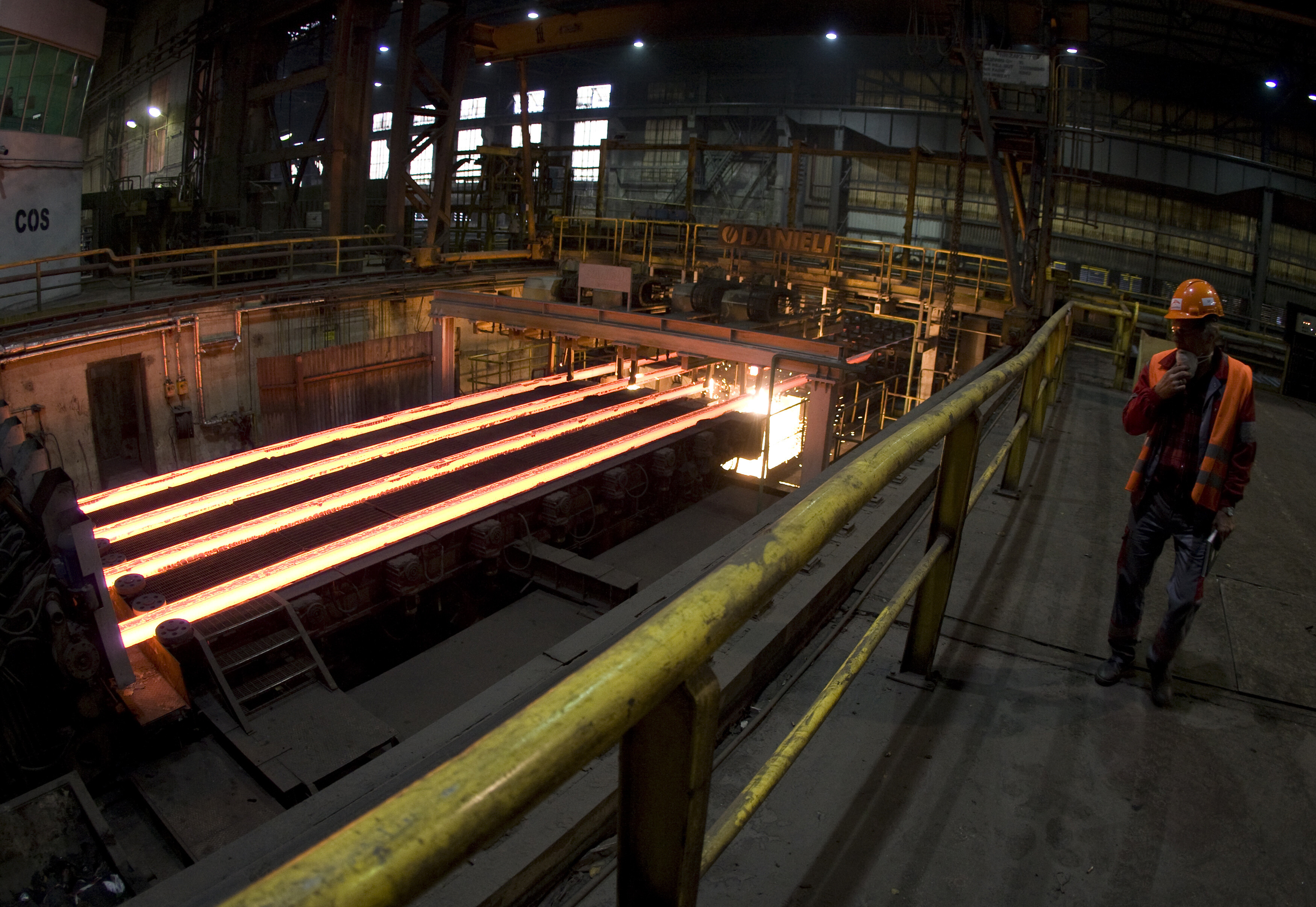
Scope 3 emissions are the hardest to abate but make up the largest share. Image: REUTERS/Peter Andrews
Firuze Alpaydin
Project Fellow, Alliance of CEO Climate Leaders and Climate Finance, World Economic Forum- Scope 3 downstream emissions are often the largest share of corporate footprints but also the hardest to tackle.
- The Downstream Solutions Challenge spotlights scalable innovations across design, collaboration, logistics and finance.
- This year’s winners – Schneider Electric, Vestas, DHL and Banco Bilbao Vizcaya Argentaria – show how business can deliver systemic change.
Tackling climate change requires bold action on Scope 3 downstream emissions, which typically include those generated during the use of sold products, the end-of-life treatment of sold products, downstream transportation and distribution, the processing of sold products and investments.
Understanding and addressing Scope 3 downstream emissions is increasingly significant in sustainability and climate reporting, as these emissions often represent the largest share of a company’s total carbon footprint.
By measuring and managing these emissions, organizations can identify opportunities for product innovation, engage with value chain partners and contribute to global climate goals.
For the 133 members of the Alliance of CEO Climate Leaders, Scope 3 downstream accounts for 67% of their value chain emissions, equivalent to 3.5 gigatonnes of carbon dioxide (CO2e) equivalent, roughly the same as India’s annual CO2e emissions (from fossil fuels and industry only, as per Our World in Data figures with further BCG Analysis).
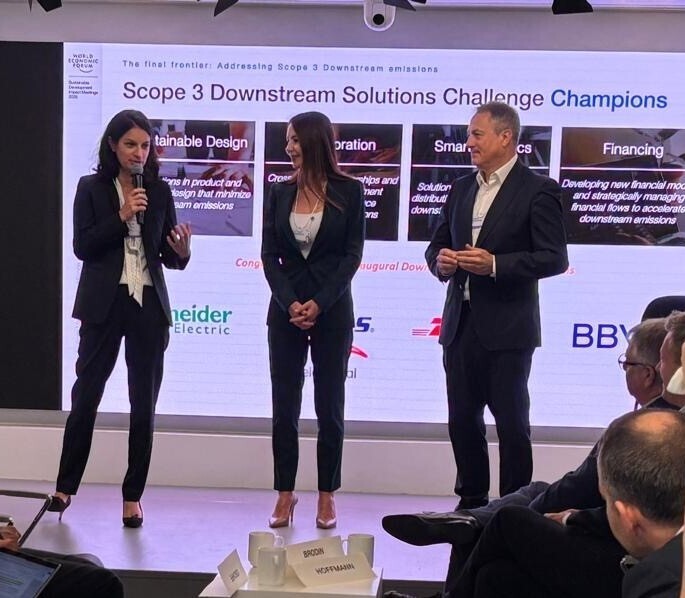
The Alliance of CEO Climate Leaders’ Downstream Solutions Challenge aimed to highlight companies that are pioneering scalable, innovative and collaborative approaches to Scope 3 downstream decarbonization.
By focusing on four categories – sustainable design, collaboration, smart logistics and financing – the challenge highlights solutions that not only reduce emissions but also unlock business value, resilience and long-term competitiveness.
Sustainable design: Schneider Electric
Product design is where downstream impact often begins. The materials chosen, the way systems are powered and how they are maintained or recycled all shape emissions across the entire lifecycle. Sustainable design can deliver exponential benefits, including lowering costs, enhancing safety, ensuring regulatory compliance and reducing Scope 3 emissions.
Schneider Electric’s AirSeT technology is a breakthrough in medium-voltage switchgear, replacing sulphur hexafluoride (SF6), a greenhouse gas with 24,300 times the global warming potential of CO2, with pure air and vacuum technology.
Unlike incremental improvements, AirSeT eliminates SF6, reducing regulatory risks, lowering long-term costs and improving worker safety.
To date, AirSeT has avoided more than 1.2 million tons of CO2e, contributing to Schneider’s goal of saving or avoiding 800 million tons of CO2 by 2025. Fully compatible with existing infrastructure, digitally integrated and externally audited, AirSeT is not just a product; it is a scalable solution for climate-resilient energy systems.

Collaboration: Vestas
No company can decarbonize its value chain alone. Collaboration between suppliers, customers and industry peers is essential for scaling new technologies and aligning market incentives. In hard-to-abate materials such as steel, joint action can break cost barriers, reduce investment risks and send powerful demand signals that reshape entire industries.
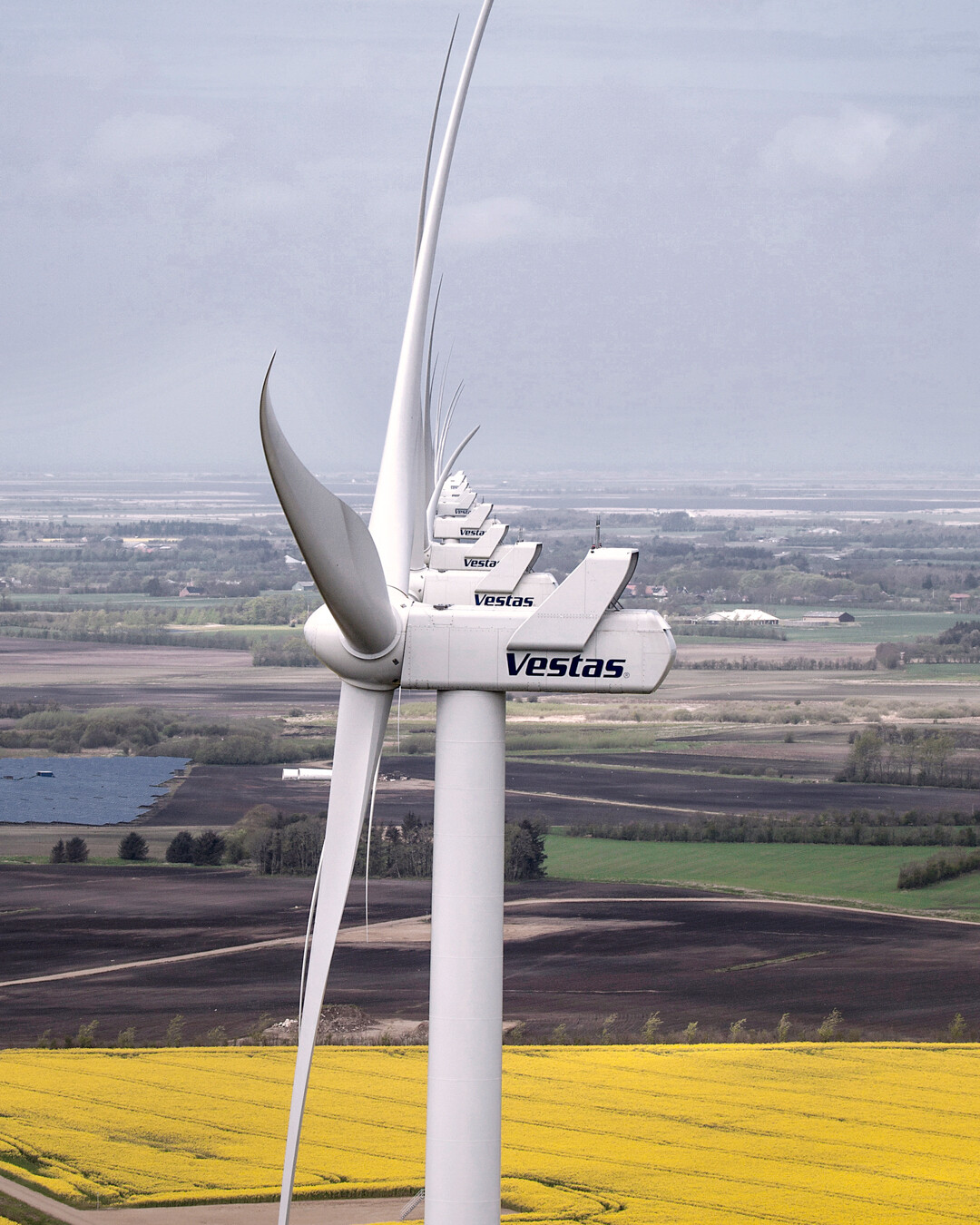
Vestas has embraced this challenge by pioneering the use of low-emission steel in wind turbine towers, produced in partnership with ArcelorMittal using scrap and renewable electricity.
With steel representing up to 50% of a turbine’s lifecycle emissions, this innovation, it says, cuts emissions by 66% per kilogram of steel, achieving up to 52% reductions in onshore towers and up to 26% reductions in offshore towers.
By engaging both suppliers and customers, such as Baltic Power and Vattenfall, Vestas created a self-reinforcing demand signal that accelerates the adoption of its products. This initiative shows how collaboration can extend beyond pilots to systemic change.
Smart logistics: DHL
Transportation and distribution are among the most visible sources of downstream emissions. Every product that reaches a customer carries a carbon footprint associated with its transportation.
As global supply chains expand, sustainable logistics has become a decisive lever, not just to reduce emissions but also to meet procurement requirements, strengthen brand reputation and improve air quality in cities.
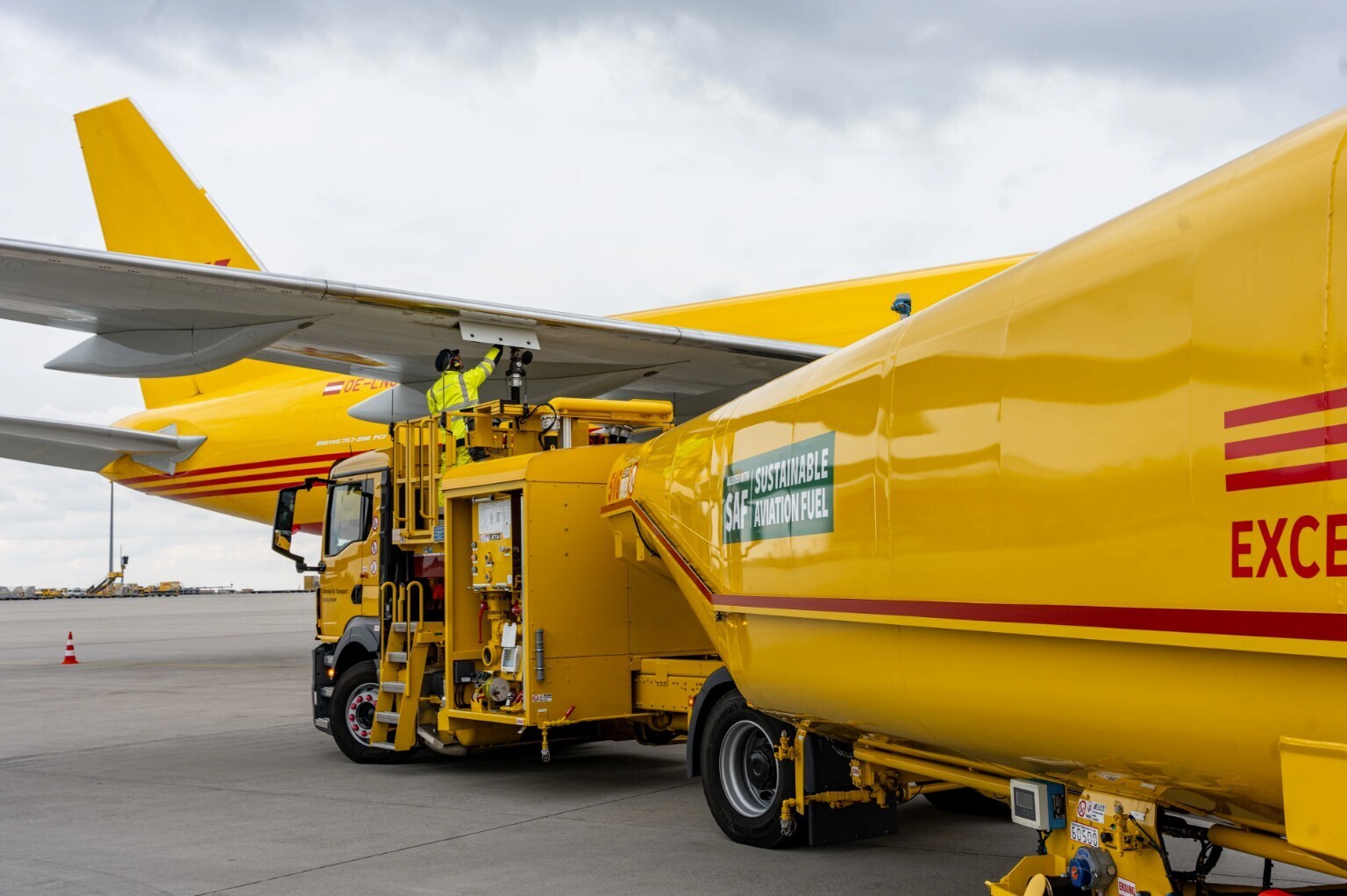
DHL’s GoGreen Plus is reshaping logistics by embedding sustainability across air, ocean, road and warehousing. By using sustainable aviation fuel, bio-LNG (liquefied natural gas), hydro-treated vegetable oil and battery-electric vehicles, the programme enables insetting, cutting emissions directly within the supply chain.
In 2024 alone, GoGreen Plus reduced 1,598 kilotons of CO2e, verified by independent third parties. Its book-and-claim model makes the solution globally scalable, already used by more than 300,000 customers.
Partnerships such as Formula 1 have amplified its visibility worldwide, accelerating adoption and setting a new industry standard for sustainable logistics, already used by more than 300,000 customers of all sizes and across all industry sectors.
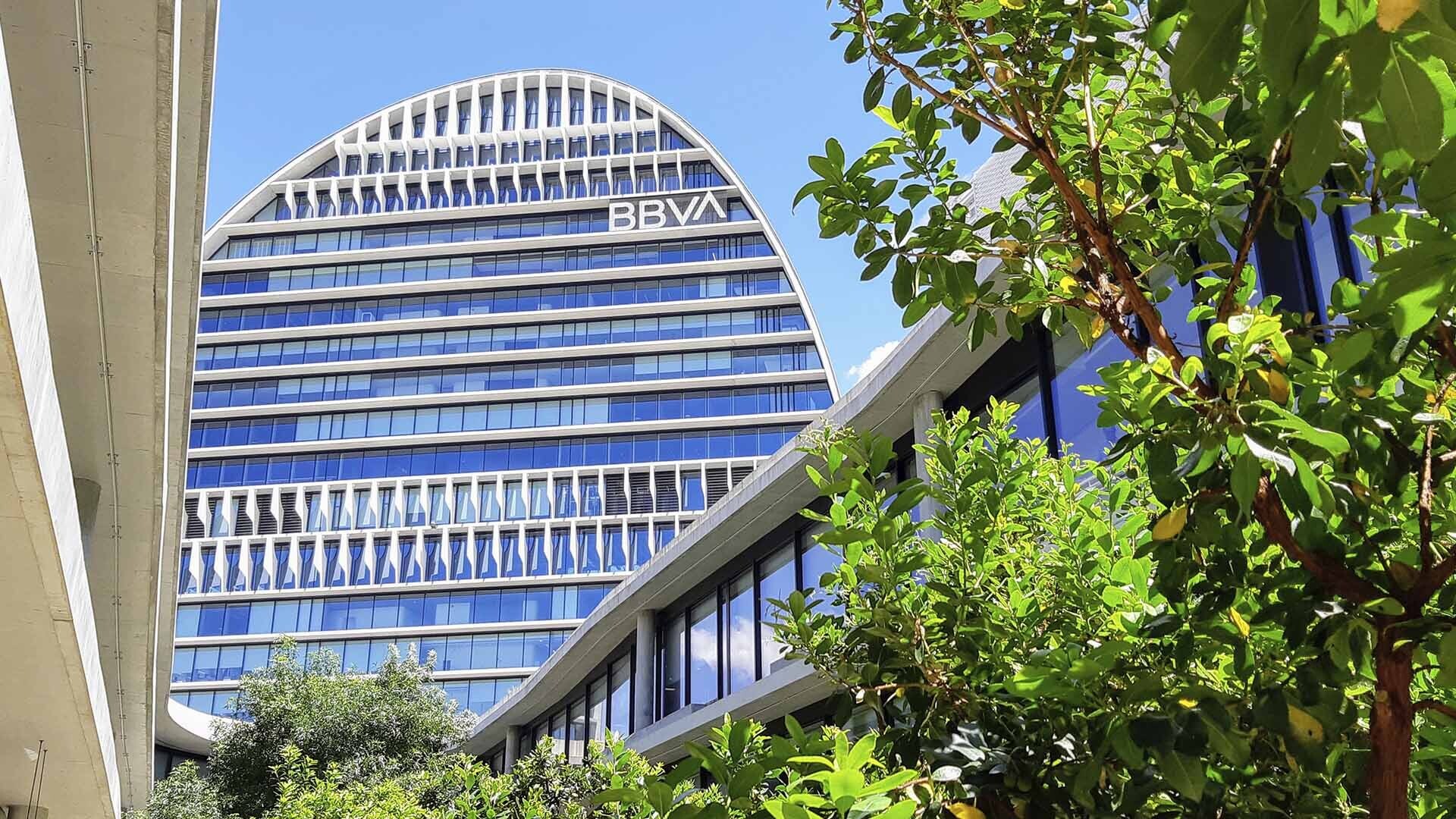
Financing: BBVA
Even the best technologies cannot scale without capital. Financing plays a catalytic role in downstream decarbonization, enabling suppliers and customers to invest in cleaner processes, equipment and systems. By embedding climate ambition into financial products, banks can unlock transformation across entire value chains.
BBVA’s Sustainable Ecosystems initiative integrates advisory services, supplier classification and targeted financing to accelerate Scope 3 reductions. It helps clients diagnose emissions and then mobilize funding to address them, bridging the gap between ambition and implementation.
For instance, in the automotive coatings sector, BBVA structured financing that enabled downstream garages to install solar panels and adopt energy-efficient equipment. This not only reduced emissions but also improved competitiveness and resilience across the value chain. Globally deployable and sector-agnostic, the model exemplifies how finance can turn climate commitments into measurable results.
Scaling toward a net-zero economy
The winners of the Downstream Solutions Challenge demonstrate that decarbonization is not just possible, it is already happening. From clean electrification to green steel, sustainable logistics and climate-aligned finance, these solutions prove that private sector innovation and collaboration can unlock transformative climate impact.
By scaling these approaches, companies can move beyond incremental change to deliver the systemic shifts needed for a net-zero, resilient global economy.
Don't miss any update on this topic
Create a free account and access your personalized content collection with our latest publications and analyses.
License and Republishing
World Economic Forum articles may be republished in accordance with the Creative Commons Attribution-NonCommercial-NoDerivatives 4.0 International Public License, and in accordance with our Terms of Use.
The views expressed in this article are those of the author alone and not the World Economic Forum.
Stay up to date:
The Net Zero Transition
Related topics:


Forum Stories newsletter
Bringing you weekly curated insights and analysis on the global issues that matter.
More on Climate Action and Waste Reduction See all

Kanni Wignaraja, Marc-André Franche and Azusa Kubota
March 20, 2026