How consumers can turn from passive users to power players to drive energy innovation
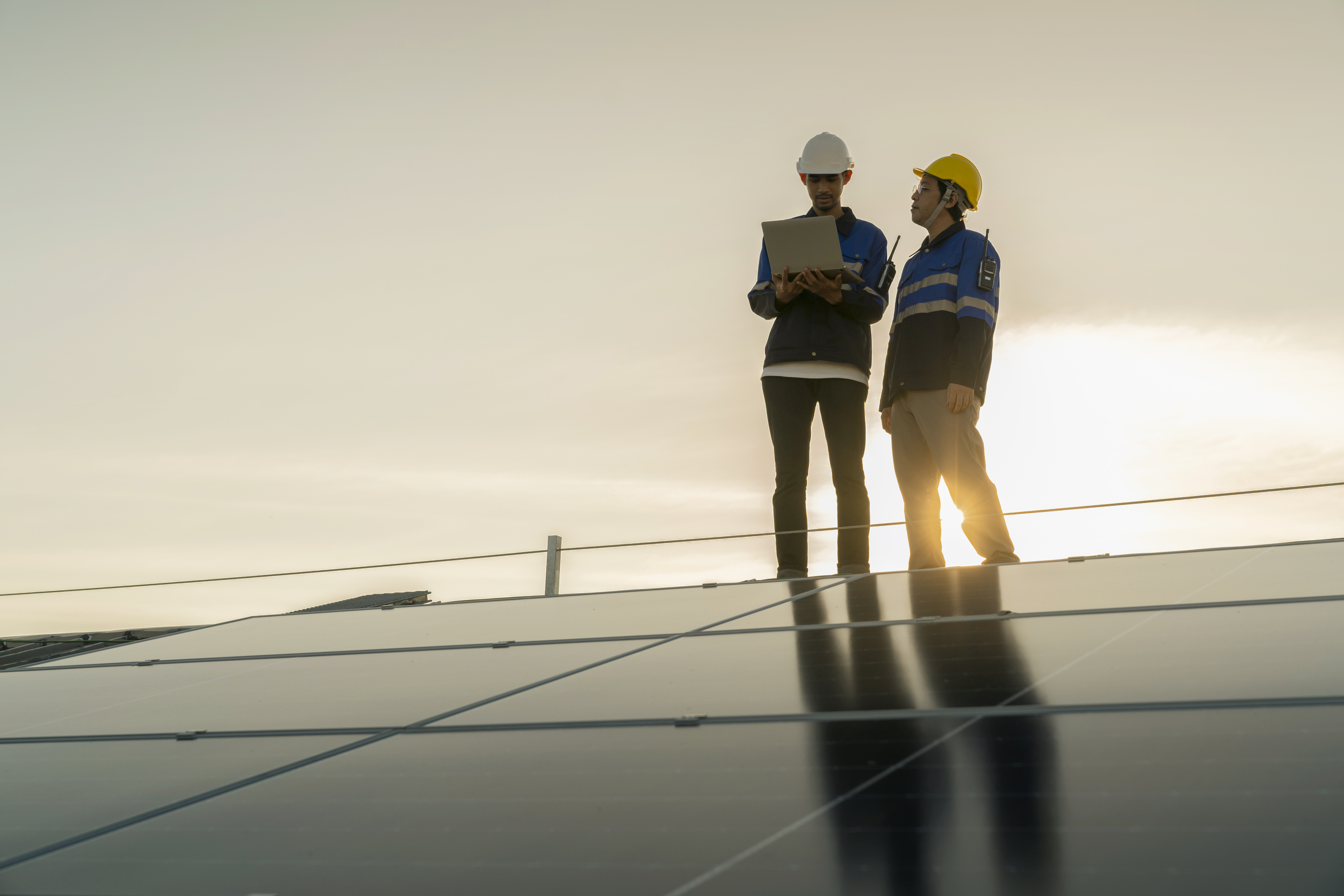
Consumers can help shape the future of energy through active participation, ownership and innovation. Image: Lifestylememory/Unsplash
- Energy systems of the past tended to rely on fuels such as wood, coal and oil being self-gathered or delivered to their point of use.
- Electrification changed energy systems dramatically, with power generation, delivery and maintenance handled by large utilities.
- The centralized energy model is being upended by climate fears, technological advances and shifting consumer expectations.
Ironically, the future of energy might bear a lot of resemblance to energy systems of the past. Before centralized power generation, people used decentralized energy conversion systems in their homes and workplaces, with the primary energy carriers or fuels – such as wood, coal, oil – self-gathered or delivered to their point of use.
Electrification then changed energy systems dramatically, with power generation, delivery and maintenance being handled by large utility companies or organizations. Over time, their electric power grids were connected to each other, even across national borders, to enable trading of electricity and to improve resilience.
It is important to note that at the time of market introduction, the technology needed to produce and deliver electricity was not suitable for individual, private deployment. That aspect is no longer true today, thanks to the availability of cheap solar photovoltaics and battery technology.
And today, driven by urgent climate imperatives, rapid technological advances and shifting consumer expectations, the traditional model of centralized energy supply is being upended. Consumers expect more responsibility for the environment, require higher resilience against natural disasters and political disruptions, and want to lower their energy bills.
Historic opportunity to shape the future of energy
No longer mere passive recipients, consumers have a historic opportunity, and growing responsibility, to shape the future of energy through active participation, ownership and innovation.
One needs to distinguish in this context, the changes of existing energy infrastructure in the developed world and the unique opportunities to deploy access to energy in emerging and developing economies around the world.
But what does it mean for consumers to become ‘power players,’ and how can policy-makers, industry leaders, communities, and individuals create the conditions that enable this transformation to flourish?
The answer lies in recognizing the profound collective impact of consumer agency, removing the barriers to engagement, and empowering stakeholders at every level to co-create a cleaner, smarter and more resilient energy system.
As part of this effort, the Global Future Council on Energy Technology Frontiers is examining the stakeholder groups and innovation domains required for enabling the future energy system — with the consumer at its centre. This underscores the vital role of behavior as a driver of innovation.
Studies routinely show that user choices, ranging from appliance use to the timing of charging electric vehicles (EVs), can shift grid loads, reduce carbon emissions and delay costly infrastructure investments for utilities.
Behavioural programmes, such as dynamic pricing or automated thermostat settings, have demonstrated that even modest adjustments at the consumer level can aggregate into significant system-wide benefits.
For strategic thinkers, this underscores the importance of behavioural economics in energy innovation. Utilities and technology developers should design products that nudge, reward or even automate desired behaviours, making energy-saving or grid-supportive actions the default.
In parallel, policy-makers can establish frameworks that recognize and reward consumers' active participation, from real-time pricing schemes to incentives for demand response or distributed generation.
Decentralization of energy resources
Over the last decade, the proliferation of distributed energy resources like rooftop solar, battery storage, smart thermostats and EVs has blurred the line between producers and consumers. Globally, residential and small-business customers now generate a growing share of electricity, store surplus energy and even sell it back to the grid.
According to the International Energy Agency, solar capacity could triple by 2030, including distributed solar, contributing meaningfully to decarbonization. Examples abound of consumer leadership in energy innovation.
In Germany, citizen-owned energy cooperatives have been at the forefront of the ‘Energiewende’ (energy transition) by investing billions in renewables, while in Brooklyn, New York, residents trade locally generated solar energy on blockchain-enabled peer-to-peer platforms in a partnership of startups and large companies. Meanwhile, rural communities in Kenya are leapfrogging outdated infrastructure with pay-as-you-go solar microgrids.
These successes point to the power of collective action and locally tailored solutions. They also demonstrate how policy, technology and grassroots initiatives can reinforce one another, amplifying consumer agency and delivering broad public value.
Small-scale energy production can balance grid
Fundamentally, the value of small-scale participation can enable grid balancing, enhance energy resilience and reduce peak demand, which can defer expensive infrastructure upgrades, including large central storage capability to handle renewable intermittency issues.
That said, it is not a forgone conclusion that a power grid – or perhaps better, a power web, akin to the world wide web – will work smoothly and reliably. Connected electricity systems are delicate to balance, and supply and demand handling is a real issue.
How the Forum helps leaders navigate the transition of energy and materials systems
Such an imbalance triggered the largest electricity blackout in the history of the United States in 2003. Interoperability and technical standards will be essential to ensure devices and systems from different manufacturers can interact. Open communication protocols and anti-monopoly safeguards will be needed to prevent lock-in and foster innovation.
So, will large utilities be on their way out? No, while solar rooftop electric generation and smaller to midsized community systems could work well in rural and small city environments, they will find their limits in big cities, as well as in industrial consumers with huge energy needs.
The bottom line is that the future of energy will happen on a sliding scale that encompasses individuals all the way to large-scale utilities with centralized systems.
Don't miss any update on this topic
Create a free account and access your personalized content collection with our latest publications and analyses.
License and Republishing
World Economic Forum articles may be republished in accordance with the Creative Commons Attribution-NonCommercial-NoDerivatives 4.0 International Public License, and in accordance with our Terms of Use.
The views expressed in this article are those of the author alone and not the World Economic Forum.
Stay up to date:
Energy Transition


Forum Stories newsletter
Bringing you weekly curated insights and analysis on the global issues that matter.
More on Energy TransitionSee all

Shantanu Srivastava and Tanya Rana
March 5, 2026


